Tag: new orleans

  • Louisiana man jailed for life over $20 marijuana sale has been freed

    Louisiana man jailed for life over $20 marijuana sale has been freed

    Winslow’s life sentence appealed on the grounds of ineffective assistance of counsel

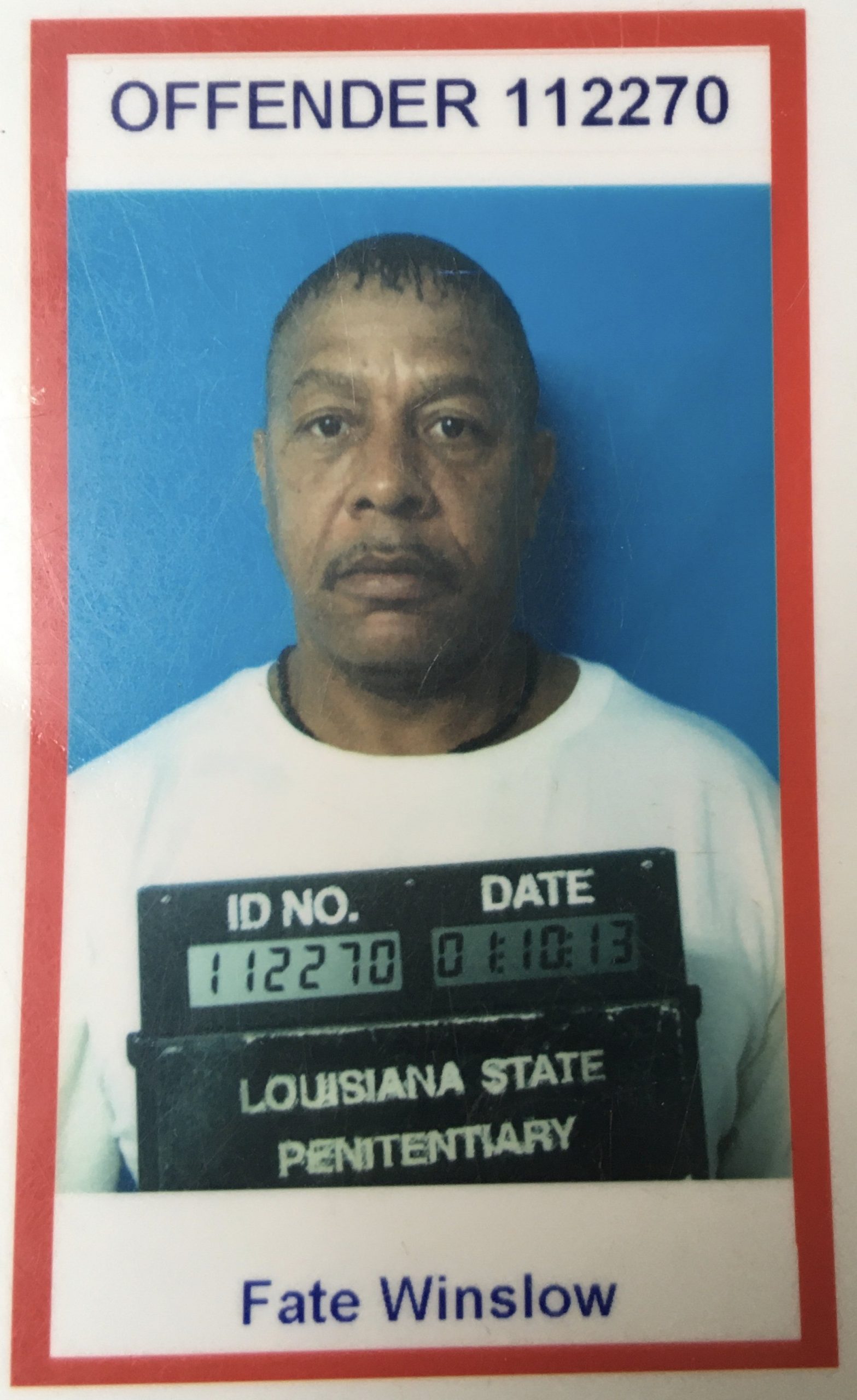
    NEW ORLEANS (AP) — A Louisiana man who was arrested and sentenced to life for selling $20 in marijuana to undercover officers when he was homeless has been freed from prison.

    WWL-TV reported that Fate Winslow was released from Louisiana State Penitentiary at Angola on Wednesday and was on his way back home after serving 12 years of a life sentence.

    “I was so happy to get out,” Winslow told WWL-TV after his release. “A life sentence for two bags of weed? I never thought something like that could happen.”

    Winslow was sentenced under the state’s repeat offender law. His case has garnered attention as the Louisiana wrestles with criminal justice issues and overincarceration.

    According to the station, Winslow was approached by undercover officers in Shreveport in 2008, and they asked him where they could get some marijuana. Winslow borrowed a bike, went and found some marijuana and came back to give it to the officers who then gave him $5 so he could buy some food, according to his attorneys at the Innocence Project New Orleans.

    Winslow had already been convicted of three previous non-violent crimes stretching from when he was a 17-year-old to when he was 36, making him susceptible to the state’s repeat offender law.

    The Innocence Project New Orleans took up his case, appealing his life sentence on the grounds of ineffective assistance of counsel. He was eventually re-sentenced to time served. The director of the Innocence Project New Orleans, Jee Park, said Winslow received an “obscenely excessive sentence given his life circumstances and crime, and today, we are correcting that unconstitutional, inhumane sentence.”

  • 1,300-Plus Leap In Reported Louisiana Coronavirus Cases

    1,300-Plus Leap In Reported Louisiana Coronavirus Cases

    Friday marked the second one-day spike of more than 1,300 COVID-19 cases this week.

    NEW ORLEANS (AP) — The number of reported COVID-19 cases in Louisiana has taken another large one-day jump, increasing Friday by more than 1,300 as the number of people hospitalized with the disease caused by the new coronavirus continued upward.

    The state reported a total of 54,769 confirmed cases as of midday. The death toll was 3,077, up by 26 from Thursday.

    Some of the growth in known case numbers can be attributed to increased testing. However, the number of people sick enough to be hospitalized — considered a key indicator that the virus is spreading — went up to 700. The figure is down from nearly 2,000 in April but up from a low of 542 on June 13.

    The increasing numbers led Gov. John Bel Edwards this week to put off a further easing of restrictions on public gatherings and some business activity. Edwards has promised stepped up enforcement on businesses that aren’t complying with virus-related restrictions on capacity and requirements that employees dealing with the public wear masks.

    Baton Rouge’s mayor unveiled a phone number and website for people to anonymously report businesses that don’t comply with the rules.


  • A New Orleans Black-Owned Bakery Wants To Nourish The Nation

    A New Orleans Black-Owned Bakery Wants To Nourish The Nation

    One day, they hope that Viola’s breads, baked in New Orleans, will be sold in grocery stores across the nation.

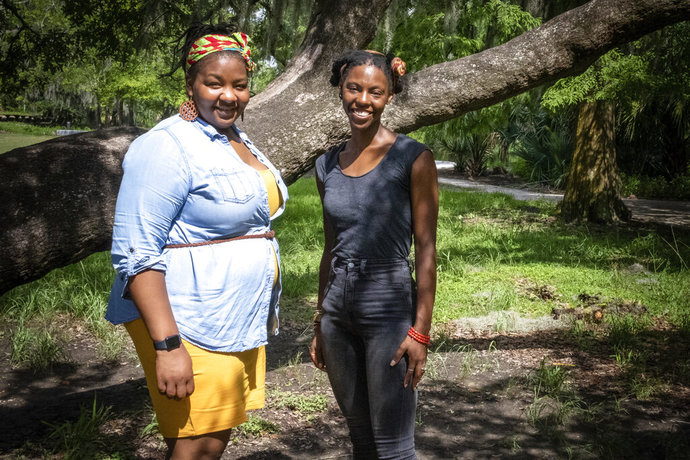
    NEW ORLEANS (AP) — Kathryn Conyers is not a baker, but she tried. And she failed. When she sought advice from her friend Carla Briggs, a trained pastry chef, Conyers was too embarrassed to send photos of the lackluster loaves. In the end, Briggs decided that she needed to come over and bake the bread herself.

    A month later, as the coronavirus pandemic ramped up, the friends saw shelves in New Orleans barren of bread and thought, ‘maybe baking bread could be a business.’ Soon after that, Viola’s Heritage Breads was born.

    “Viola just sounds nice and homey, like somebody’s grandmother that maybe would have a recipe that exists today but didn’t really get the recognition,” Conyers said.

    Conyers and Briggs said they didn’t see many Black-owned bakeries and wanted to bring a business to New Orleans that celebrates both Black entrepreneurship and heritage. The recipes draw on their roots, using local Southern ingredients like Louisiana sweet potatoes.

    The breads, which the pair deliver themselves around New Orleans or ship nationwide, are generous sandwich loaves like whole wheat brioche, sweet potato rosemary and white einkorn wheat. They’re about goodness, not being gourmet. The fanciest thing that Viola’s sells are tea cakes.

    “This is an untapped market of providing quality sandwich bread,” Briggs said. “So, we jumped right in and it has been fun.”

    Conyers and Briggs have a larger mission: they want to celebrate the too often overlooked Black cooks and chefs in the South.

    “I’ve worked at Emeril’s and I’ve worked at the Ritz Carlton,” said Briggs of her time cooking in New Orleans, “and the people making the stocks and things that make these chefs great are mostly African Americans. They are creating the basis of this food, but their names aren’t on it.”

    For now, Viola’s Heritage Breads is run from Brigg’s kitchen. Louisiana’s cottage food law allows businesses with less than $20,000 in sales to operate from a home with some limitations. The two still have their day jobs. Conyers, who has degrees in finance and law, works for a New Orleans non-profit organization that builds playgrounds around the country. Briggs, who left restaurant work due to a carpal tunnel syndrome, founded Eat Your Words, which teaches literacy through food.

    Though the start is small, the women have big aspirations for Viola’s.

    “It’s not something that’s a hustle. Can it grow and live on to be a staple?” Conyers said. “Can we build wealth and knowledge that could be passed on generationally?”

    Briggs wants Viola’s to create better opportunities for New Orleans restaurant workers.

    “I’ve been trained with the best people ever,” said Briggs, who graduated from the prestigious culinary school at Johnson & Wales University, “but it’s hard to get a job here and get respected and get paid for the knowledge and experience that I have in food.”

    One day, they hope that Viola’s breads, baked in New Orleans, will be sold in grocery stores across the nation.

    “What does it look like to have a bread or item that reflects me? That reflects us. That I see on the shelf that’s not necessarily like Aunt Jemima,” Conyers said.

    To order Viola Heritage Breads, visit her website.

  • Whereabouts Of Slave Owner Bust From New Orleans Unknown

    Whereabouts Of Slave Owner Bust From New Orleans Unknown

    The statue’s toppling is part of a nationwide effort to remove monuments to the Confederacy

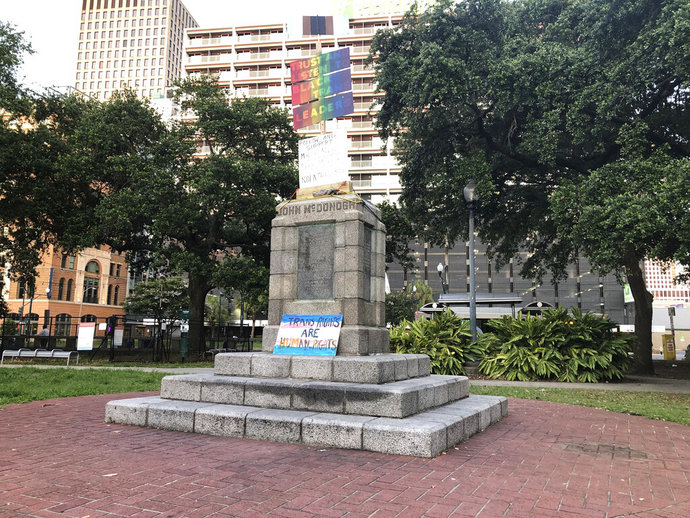
    NEW ORLEANS (AP) — The whereabouts of a statue of a slave owner toppled by protesters in New Orleans and thrown into the Mississippi River remain unknown after a group of men fished the bust out of the water.

    A video shows the group using ropes and a plank to carry the paint-splattered bust of John McDonogh out of the river Sunday afternoon and load it onto a pick-up truck. It was thrown into the river a day earlier by demonstrators after they used a chisel, rope and a skateboard to knock it down from its pedestal in Duncan Plaza.

    Mayor LaToya Cantrell’s office told The Times- Picayune / The New Orleans Advocate that the bust is “considered stolen property,” and whoever has it should contact the city regarding its return.

    Two people who allegedly drove the bust to the river after it was toppled, Caleb Wassell and Michaela Davis, were booked on multiple charges, including theft and inciting a riot, news outlets reported.

    They have since been released on bail while police continue to search for another person who hit the statue with a hammer and used spray paint on it during Saturday’s demonstrations.

    When he died, McDonogh left a large portion of his money to New Orleans and Baltimore for schools, and many schools in New Orleans are named after him.

    The McDonogh Day celebration in which schoolchildren from across the city laid flowers at a different monument to McDonogh became the subject of boycotts in the 1950s. The ceremony was racially segregated, and black children would have to wait for hours for white children to lay their flowers first.

    The statue’s toppling is part of a nationwide effort to remove monuments to the Confederacy or with links to slavery as the country grapples with widespread protests against police brutality toward African Americans.

  • Coronavirus Ravages Storied New Orleans Mardi Gras Group

    Coronavirus Ravages Storied New Orleans Mardi Gras Group

    In a city ravaged by the coronavirus outbreak, members of the Zulu krewe have paid a heavy price.

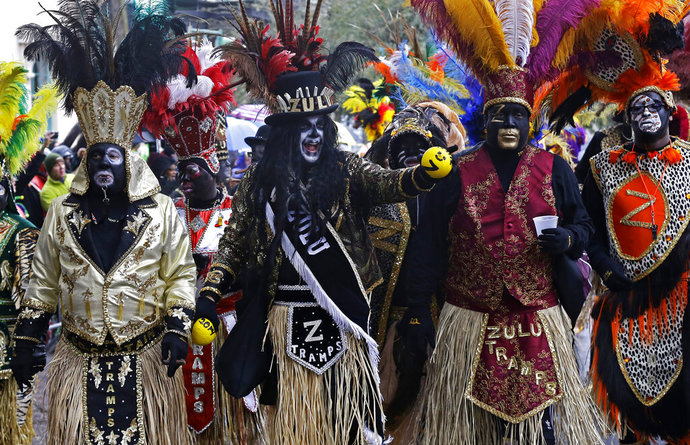
    NEW ORLEANS (AP) — On Fat Tuesday, 51-year-old Cornell Charles was taking part in a storied New Orleans Mardi Gras tradition central to the city’s African American community — driving a car in the Zulu Social Aid and Pleasure Club’s parade.

    A month later his wife of three decades was watching him take his last breath, a victim of the coronavirus epidemic raging through the city.

    “I talked to him. I told him how much I was going to miss him,” said his wife, Nicole, describing those last minutes on March 24. “He literally took his last breath in front of my face and that was it.”

    In a city ravaged by the coronavirus outbreak, members of the Zulu krewe, one of the groups that sponsor Mardi Gras parades and balls, have paid a heavy price. Four of the fraternal organization’s members have died from coronavirus-related complications, said Zulu President Elroy A. James. Two others have also died since the pandemic began, though it’s not known if their deaths were caused by the virus, he said.

    An additional 20 have tested positive. Some are self-quarantining at home, some were hospitalized and released, while others are still hospitalized, James said.

    James spends his days on the phone, texting with and calling board members and officers of the roughly 800-member Zulu organization.

    “Members are calling every day checking on each other: ‘How’s this member doing? How’s this family member doing?’” he said.

    It’s also taken a financial toll. Many Zulu members work in the hospitality sector and are out of work, James said, a widespread problem in a city with an economy closely tied to the restaurants, bars and nightclubs now largely shuttered due to the statewide stay-at-home order.

    “Zulu is really a microcosm of the city of New Orleans,” said state Sen. Troy Carter, a longtime Zulu member. “We’re made up of every social and economic background that you can imagine. Our members come from all different walks of life.”

    The predominantly African American club is in some ways a reflection of how the disease has affected the black community in Louisiana. More than 70 percent of the state’s coronavirus patients who have died are black, according to state data released this week.

    For most people, the coronavirus causes mild symptoms like fever and a cough that resolve in two to three weeks. But for some, especially older adults and people with existing health problems, more severe symptoms can occur, including pneumonia, that can lead to death.

    For over a century Zulu members have paraded for Mardi Gras in their distinctive grass skirts and black face inspired by a 1909 vaudeville skit, according to a history compiled for the group’s 100-year anniversary in 2009. It was not just a Mardi Gras parade group but one of the benevolent societies that played an important role in African American history by providing life insurance or funeral costs to its dues-paying members.

    Over the decades Zulu Mardi Gras parades have featured ever-larger floats, with costumed float riders tossing out beads and trinkets, including the group’s hand-decorated coconuts, among the event’s most-coveted throws. The most famous man to reign as Zulu king was Louis Armstrong in 1949. Members are also elected to be one of the group’s coveted characters, such as Mr. Big Stuff or The Big Shot.

    “Nobody has more fun than Zulu,” said Mardi Gras historian, Arthur Hardy. But, he emphasized, there’s a lot more to the group than the parade. Zulu is known for it’s philanthropic works all year round, including the Junior Zulu program that reaches out to disadvantaged children and an annual Christmas bike giveaway.

    That spirit of service is what drew Charles, said his wife, Nicole.

    “The brotherhood, what they have given to the community. He loved that. My husband loved parades, so that was definitely an attraction, but he liked what he saw outside of the fun part of it,” she said.

    Charles started work every day by 3 a.m. as a courier delivering medication to hospitals and medical facilities. But his real passion, his wife said, was coaching young people. The football, baseball and basketball practices and games kept “Dickey” as he was often called, busy, but the father of two daughters always made time for family, his wife said.

    She has been amazed at the outpouring of support from people telling her how much her husband meant to them. His likely would have been a big funeral with one of the jazz parades often seen in New Orleans funerals, but social distancing guidelines meant only a handful of people could be there.

    Nicole hopes the coronavirus risk will have receded by June 23 — his birthday — so that family and friends can come together for the memorial service he deserves.

    Lost opportunities to come together one last time to honor members is being felt keenly. Carter, the state senator, said a Zulu member’s service in normal times might include a performance by the organization’s gospel choir, a proclamation read by the group’s president and a musical procession that begins on a somber note and ends with a “full fledged energetic celebration of life.”

    “I’m not sure if anyone else in the world does it the way New Orleans does,” he said.

    The organization plans a large memorial service in the safer future, complete with a “grand second-line,” said James, the group’s president, referring to a parade during which onlookers fall in behind the band and mourners, forming a “second line.”

    The group has weathered hard times before. In the aftermath of Hurricane Katrina in 2005, at least 10 members died, many members’ homes were flooded and the group’s headquarters on Broad Street was swamped with water. But come Mardi Gras 2006 they paraded, believing it was an important part of the city’s rebuilding.

    James said he’s confident that Zulu will play a role in the city’s post-coronavirus resurgence.

    “We also need to show the world that the city of New Orleans will return after this pandemic,” he said.

  • Meet ‘Hope’ The Giraffe Born In New Orleans Amid Pandemic

    Meet ‘Hope’ The Giraffe Born In New Orleans Amid Pandemic

    The calf was born 6-feet tall, weighing in at 189 pounds.

    NEW ORLEANS (AP) — The Audubon Nature Institute in New Orleans welcomed a new resident, a baby giraffe named Hope.

    Sue Ellen, a middle-aged giraffe at the Freeport-McMoRan Audubon Species Survival Center, gave birth Monday, according to a Friday news release.

    Audubon Nature Institute President and CEO Ron Forman said Hope was the perfect name for the calf, especially as New Orleans has been hit hard during the coronavirus pandemic.

    “What name could be more fitting than ’Hope” in these challenging times?” Forman said. “Hope is what has sustained our community through seemingly insurmountable crises in the past and what we must hold onto as we continue on in the coming days and weeks. May we all take comfort in the reminder that, even in the darkest of days, life continues, undaunted.”

    Species Survival Center curator Michelle Hatwood said the staff had known the calf was on the way for 15 months but said it can be tough to pinpoint a likely delivery date for giraffes.

    The calf was born 6-feet (1.8-meters) tall, weighing in at 189 pounds (86 kilograms).

    Located on 1,200 acres of land west of downtown New Orleans, the center is now home to 13 giraffes, the release said. The new calf was the eighth giraffe born at the center as part of the Alliance for Sustainable Wildlife conservation breeding partnership with San Diego Zoo Global.

    The giraffes reside in a 46-acre forested area and spend most of their day foraging and looking for their favorite leaves to eat.

    Since the coronavirus pandemic began in Louisiana, the Audubon Nature Institute has been forced to close its facilities to the public. It’s asking federal officials for assistance in providing funds to larger nonprofits like zoos and aquariums.

  • Masks Returned To New Orleans Hospital After Official’s Arrest

    Masks Returned To New Orleans Hospital After Official’s Arrest

    State Troopers recovered the masks at Vernon Giscombe’s home

    NEWS ORLEANS (AP) — Eighty respirator masks taken by a high-ranking official were returned to a makeshift hospital for recovering coronavirus patients in New Orleans, authorities said.

    Ernest N. Morial Convention Center’s director of public safety, Vernon Giscombe, was arrested over the weekend and charged with one count of malfeasance in office, The Times-Picayune/ The New Orleans Advocate reported. The convention center is being used as a facility for coronavirus patients so hospitals aren’t overrun.

    Louisiana Department of Public Safety Officer Donald Furca told investigators he saw a woman leave the convention center and place two boxes in Giscombe’s car about 11:20 p.m. Friday.

    When Furca questioned Giscombe and the woman, Giscombe said he told the woman to bring the boxes, which contained 40 N95 masks for medical workers staffing the 1,000-bed hospital inside the convention center.

    Giscombe later admitted he had a different employee bring him two additional boxes containing 40 masks, Louisiana State Police said.

    Troopers recovered the masks at Giscombe’s home and Orleans Parish Magistrate Court Commissioner Brigid Collins ordered them to be returned to the hospital.

    Neither of the employees will face charges, police said.

    It’s unclear what Giscombe wanted to do with the masks. People elsewhere have been caught trying to sell the masks at inflated prices.

    It’s also unclear whether he had an attorney who could comment on his behalf.

    N95 masks filter out about 95% of liquid and airborne particles and are recommended for frontline health care workers who expect to encounter particularly infectious diseases.

    Hospitals have reported a shortage of the masks as COVID-19 has spread.

    ___

  • Sidewalk Notes Bring Smiles To Hospital Staff During Virus

    Sidewalk Notes Bring Smiles To Hospital Staff During Virus

    Unknown artist leaves messages outside Ochsner Medical Center in New Orleans

    NEW ORLEANS (AP) — The messenger is anonymous — but the messages are heartfelt, and appreciated.

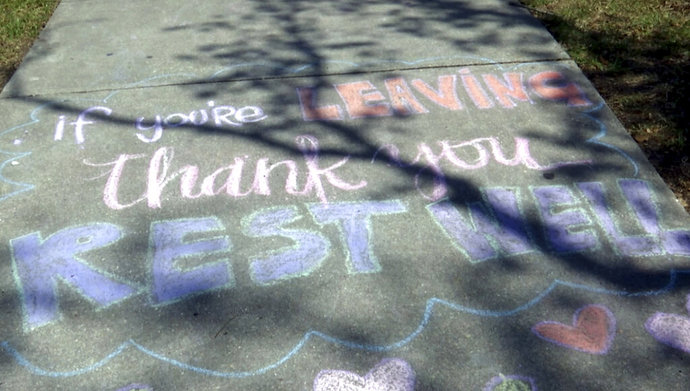
    In recent days, workers at New Orleans’ Ochsner Medical Center who take the familiar stroll from the parking lot to the main entrance have been greeted with expressions of gratitude from an unnamed artist, sketched out on the sidewalk.

    “If you’re just arriving, thank you for what you’re about to do,” says one.

    And a little further along: “You are extraordinary.”

    And for those finishing their shifts: ”If you are leaving, thank you … Rest well.”

    The hospital workers have been under strain. The region has been hard hit by the coronavirus, so much so that the state’s governor said earlier this week it might run out of breathing machines by the weekend and hospital beds next week.

    Ochsner, one of the largest hospitals in the area, has been so overwhelmed that regular patient rooms have been converted into ICU-like wards to accommodate the surge in patients.

    Someone has taken note, and has reached out in chalk to tell Ochsner staffers that they are appreciated, The message has been received, loud and clear.

    “It definitely meant a lot to me and was a surprise, a colorful surprise, walking out and going home to go to bed after a long shift,” said first-year resident Leslie Miller, who works in the hospital’s pediatric care unit.

    Miller said hospital employees are used to dealing with heightened stress but for many, the coronavirus has taken stress and anxiety to another level. The messages are a balm.

    They “give us hope,” said lab technician Minerva Martin.

    ___

    While nonstop global news about the effects of the coronavirus has become commonplace, so, too, are the stories about the kindness of strangers and individuals who have sacrificed for others. “One Good Thing” is an AP continuing series reflecting these acts of kindness.

    ___

  • Ex-NFL Kicker, Saints Hero Tom Dempsey Dies At 73

    Ex-NFL Kicker, Saints Hero Tom Dempsey Dies At 73

    Dempsey died late Saturday while struggling with complications from the COVID19 coronavirus.

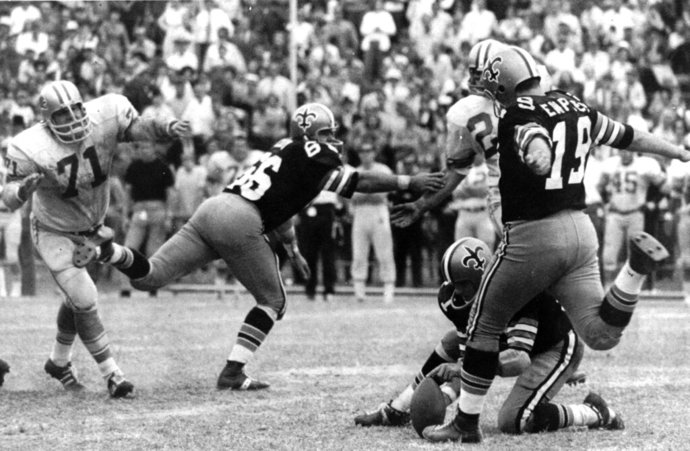
    NEW ORLEANS (AP) — Former NFL kicker Tom Dempsey, who played in the NFL despite being born without toes on his kicking foot and made a record 63-yard field goal, died late Saturday while struggling with complications from the new coronavirus, his daughter said. He was 73 years old.

    The Times-Picayune/The New Orleans Advocate first reported Dempsey’s death. Ashley Dempsey said Sunday that her father, who has resided in an assisted living home for several years after being diagnosed with dementia, tested positive for the coronavirus a little more than a week ago.

    The Orleans Parish coroner has yet to release an official cause of death.

    Dempsey’s game-winning field goal against Detroit on Nov. 8, 1970, stood as an NFL record for 43 years until the Broncos’ Matt Prater broke it with a 64-yarder in Denver in 2013.

    Dempsey spent 11 seasons in the NFL: His first two seasons were with New Orleans (1969-70), the next four with Philadelphia, then two with the Los Angeles Rams, one with the Houston Oilers and the final two with Buffalo. He retired after the 1979 season.

    “Tom’s life spoke directly to the power of the human spirit and exemplified his resolute determination to not allow setbacks to impede following his dreams and aspirations,” Saints owner Gayle Benson said in a statement. “He exemplified the same fight and fortitude in recent years as he battled valiantly against illnesses but never wavered and kept his trademark sense of humor.”

    Dempsey was born in Milwaukee without four fingers on his right hand and without toes on his right foot. He kicked straight on with a flat-front shoe that drew protests from some who saw the specially made kicking shoe as an unfair advantage. Former Dallas Cowboys President Tex Schramm compared the shoe to “the head of a golf club.”

    But Dempsey would counter that by saying he was merely doing the best he could to use the foot with which he was born, and for the most part, NFL officials, including then-Commissioner Pete Rozelle, agreed. Still, in 1977, the NFL passed what is widely known as the “The Dempsey Rule,” mandating that shoes worn by players with “an artificial limb on his kicking leg must have a kicking surface that conforms to that of a normal kicking shoe.”

    Dempsey returned to New Orleans after retiring from the league. About seven years ago, he was diagnosed with dementia and later moved to an assisted living home, where he contracted the coronavirus in March during the pandemic that has hit the city — and nursing home — particularly hard. He is survived by wife Carlene, three children, a sister and grandchildren.

    His kick has remained part of Saints lore and for a long time stood as one of the greatest moments in the history of a franchise that didn’t make the playoffs until its 21st season in 1987, and didn’t win a playoff game until the 2000 season.

    At the time of the kick, the Superdome had yet to be build and the Saints played home games in the old Tulane Stadium, which was demolished in 1979.

    The Lions led 17-16 after a short field goal with 11 seconds left.

    With no timeouts, the Saints managed to move the ball to their own 45 with 2 seconds left after Billy Kilmer completed a pass to Al Dodd along the sideline.

    According to a media reports, special teams coach Don Heinrich was heard barking, “Tell Stumpy to get ready to go in and kick a long one.”

    At that time, goalposts were on the goal line, not behind the end zone. The spot of the kick was the Saints 37.

    “I was more concerned about kicking it straight because I felt I could handle the distance,” Dempsey told the Times-Picayune. “I knew I was going to get a perfect snap from Jackie Burkett and a perfect hold from Joe Scarpati. It was all up to me. I hit it sweet.”

    Kilmer told the Times-Picayune he remembers standing on the sideline seeing Lions players across the field laughing as Dempsey lined up for the momentous kick.

    “They thought Tom had no chance,” Kilmer said.

    But Dempsey ended up carried off the field on the shoulders of teammates and recalled spending all night at a Bourbon Street bar, celebrating.

    “We were there, with all the guys, until the wee hours,” he said. “From what I can recall, I had a great time.”

    Both the shoe with which Dempsey kicked the 63-yarder and the ball are in the Saints Hall of Fame in New Orleans, into which Dempsey was inducted in 1989. The Pro Football Hall of Fame in Canton, Ohio, has another of Dempsey’s specially made kicking shoes, but Dempsey wanted the mementos of the record-breaking kick to remain in New Orleans.

  • Son: Jazz Great Ellis Marsalis Jr. Dead At 85 From Pneumonia Brought On By COVID-19

    Son: Jazz Great Ellis Marsalis Jr. Dead At 85 From Pneumonia Brought On By COVID-19

    Four of Ellis’s six sons are accomplished musicians.

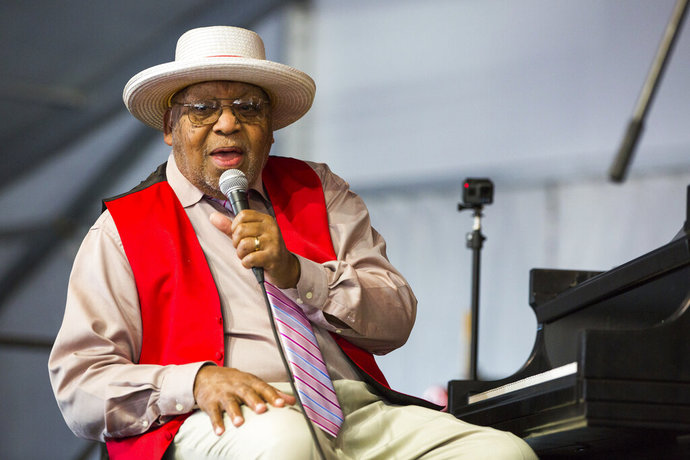
    NEW ORLEANS (AP) — Ellis Marsalis Jr., the jazz pianist, teacher and patriarch of a New Orleans musical clan, has died after battling pneumonia brought on by the new coronavirus, one of his six sons said late Wednesday. He was 85.

    “Pneumonia was the actual thing that caused his demise. But it was pneumonia brought on by COVID-19,” Ellis Marsalis III confirmed in an Associated Press phone interview.

    He said he drove Sunday from Baltimore to be with his father as he was hospitalized in Louisiana, which has been hit hard by the outbreak. Others in the family spent time with him, too.

    Four of the jazz patriarch’s six sons are musicians: Wynton, trumpeter, is America’s most prominent jazz spokesman as artistic director of jazz at New York’s Lincoln Center. Branford, saxophonist, led The Tonight Show band and toured with Sting. Delfeayo, a trombonist, is a prominent recording producer and performer. And Jason, a percussionist, has made a name for himself with his own band and as an accompanist. Ellis III, who decided music wasn’t his gig, is a photographer-poet in Baltimore.

    “He went out the way he lived: embracing reality,” Wynton Marsalis tweeted, alongside pictures of his father.

    In a statement, Mayor LaToya Cantrell said of the man who continued to perform regularly until December: “Ellis Marsalis was a legend. He was the prototype of what we mean when we talk about New Orleans jazz. He was a teacher, a father, and an icon — and words aren’t sufficient to describe the art, the joy and the wonder he showed the world.”

    Because Marsalis opted to stay in New Orleans for most of his career, his reputation was limited until his sons became famous and brought him the spotlight, along with new recording contracts and headliner performances on television and tour.

    “He was like the coach of jazz. He put on the sweatshirt, blew the whistle and made these guys work,” said Nick Spitzer, host of public radio’s American Routes and a Tulane University anthropology professor.

    The Marsalis “family band” seldom played together when the boys were younger but went on tour in 2003 in a spinoff of a family celebration, which became a PBS special when the elder Marsalis retired from teaching at the University of New Orleans.

    Harry Connick Jr., one of his students at the New Orleans Center for the Creative Arts, was a guest. He’s one of many now-famous jazz musicians who passed through Marsalis’ classrooms. Others include trumpeters Nicholas Payton and Terence Blanchard, saxophonists Donald Harrison and Victor Goines, and bassist Reginald Veal.

    Marsalis was born in New Orleans, son of the operator of a hotel where he met touring black musicians who couldn’t stay at the segregated downtown hotels where they performed. He played saxophone in high school; he also played piano by the time he went to Dillard University.

    Although New Orleans was steeped in traditional jazz, and rock ‘n’ roll was the new sound in the 1950s, Marsalis preferred bebop and modern jazz.

    Spitzer described Marsalis as a “modernist in a town of traditionalists.”

    “His great love was jazz a la bebop — he was a lover of Thelonious Monk and the idea that bebop was a music of freedom. But when he had to feed his family, he played R&B and soul and rock ‘n’ roll on Bourbon Street,” Spitzer said.

    The musician’s college quartet included drummer Ed Blackwell, clarinetist Alvin Batiste and saxophonist Harold Battiste, playing modern.

    Ornette Coleman was in town at the time. In 1956, when Coleman headed to California, Marsalis and the others went along, but after a few months Marsalis returned home. He told the New Orleans Times-Picayune years later, when he and Coleman were old men, that he never figured out what a pianist could do behind the free form of Coleman’s jazz.

    Back in New Orleans, Marsalis joined the Marine Corps and was assigned to accompany soloists on the service’s weekly TV programs on CBS in New York. There, he said, he learned to handle all kinds of music styles.

    Returning home, he worked at the Playboy Club and ventured into running his own club, which went bust. In 1967 trumpeter Al Hirt hired him. When not on Bourbon Street, Hirt’s band appeared on national TV — headline shows on The Tonight Show and The Ed Sullivan Show, among others.

    Marsalis got into education about the same time, teaching improvisation at Xavier University in New Orleans. In the mid-1970s, he joined the faculty at the New Orleans magnet high school and influenced a new generation of jazz musicians.

    When asked how he could teach something as free-wheeling as jazz improvisation, Marsalis once said, “We don’t teach jazz, we teach students.”

    In 1986 he moved to Virginia Commonwealth University in Richmond. In 1989, the University of New Orleans lured him back to set up a jazz studies program.

    Marsalis retired from UNO in 2001 but continued performing, particularly at Snug Harbor, a small club that anchored the city’s contemporary jazz scene — frequently backing young promising musicians.

    His melodic style, with running improvisations in the right hand, has been described variously as romantic, contemporary, or simply “Louisiana jazz.” He was always on acoustic piano, never electric, and even in interpreting old standards there’s a clear link to the driving bebop chords and rhythms of his early years.

    He founded a record company, ELM, but his recording was limited until his sons became famous. After that he joined them and others on mainstream labels and headlined his own releases, many full of his own compositions.

    He often played at the New Orleans Jazz and Heritage Festival. And for more than three decades he played two 75-minute sets every Friday night at Snug Harbor until he decided it was exhausting. Even then, he still performed on occasion as a special guest.

    On Wednesday night, Ellis III recalled how his father taught him the meaning of integrity before he even knew the word.

    He and Delfeayo, neither of them yet 10, had gone to hear their father play at a club. Only one man — sleeping and drunk — was in the audience for the second set. The boys asked why they couldn’t leave.

    “He looked at us and said, ‘I can’t leave. I have a gig.’ While he’s playing, he said, ‘A gig is a deal. I’m paid to play this set. I’m going to play this set. It doesn’t matter that nobody’s here.’ ”

    Marsalis’ wife, Dolores, died in 2017. He is survived by his sons Branford, Wynton, Ellis III, Delfeayo, Mboya and Jason.