Author: Imported Author 1852163

  • Visit Natchez Announces Black History Month Programming for February 2026

    Visit Natchez Announces Black History Month Programming for February 2026

    NATCHEZ, Miss. — Natchez, Mississippi, one of the oldest continuous settlements along the Mississippi River, announces a diverse lineup of events, exhibits, tours, and cultural celebrations planned throughout February 2026 in observance of Black History Month.

    “As a city deeply shaped by African American history and culture, Natchez is proud to offer meaningful programs that honor the people, stories, and legacies that continue to define our community,” said Roscoe Barnes III, cultural heritage & tourism manager at Visit Natchez. “From faith-based traditions and youth programming to immersive cultural showcases and historic sites, these events invite residents and visitors alike to engage with Black history in thoughtful and inspiring ways.”

    In addition to February programming and looking ahead to spring 2026, Natchez will dedicate a new historical marker honoring Prince Abdul Rahman Ibrahima, an African nobleman enslaved in the Natchez area for more than 40 years before regaining his freedom. The marker will be dedicated April 8, 2026, with a ceremony from 10 a.m. to noon on Silver Street near the Under-the-Hill docks.

    The location was intentionally selected as the area where Ibrahima first arrived in Natchez as an enslaved man and later departed the city as a free man with his wife, Isabella. The dedication date marks April 8, 1828, the day the couple left Natchez following Ibrahima’s emancipation, creating what organizers describe as a powerful “full circle” moment in the city’s history.

    Zion Chapel’s Founder’s Day

    Sunday, February 8, 2026, 9:30 a.m.
    The public is invited to attend the annual Founder’s Day program at Zion Chapel A.M.E. Church, located at 28 N. Dr. Martin Luther King Jr. St. in Natchez. Presenters from the congregation will share the history of the African Methodist Episcopal Church and its founder, the Reverend Richard Allen (1760–1831), who was born into slavery and later became the denomination’s first bishop. For more information, call Norma West at 601-807-0454.

    “For My People: A Celebration of African American Culture through Literature”

    Saturday, February 14, 2026, 11 a.m. – 1 p.m.
    The NAACP Youth Council will host the second annual “For My People” celebration at the NAPAC Museum at 301 Main St. Designed for children ages four – 14, the program will feature storytelling, book readings, drawing activities, and interactive fun that highlights African American culture through literature. Donations are encouraged. Guests are invited to bring a friend and celebrate together. This program is organized by Angela B. Brooks. For more information, call 601-445-0728.

    Greater St. James Baptist Church Annual Black History Program

    Sunday, February 15, 2026, 3 p.m.
    For more than two decades, Greater St. James Baptist Church has hosted annual Black History Month programs. The 2026 event will feature a guest speaker, music by the church choir, lessons on African American history, and refreshments. The program will be held at 549 Lower Woodville Road in Natchez and is free and open to the public. For more information, call Earline Kinnie at 601-392-9345 or Deacon Elbert Lyles at 601-597-9570, or email elbert.lyles@yahoo.com.

    “Great Achievements in Education: Celebrating our Black Educators”

    Thursday, February 19, 5:30 p.m.

    The City of Natchez will host a Black History program that will celebrate education while honoring the retired Black educators over the age of 80. The program will be held at 5:30 p.m. Thursday, February 19, at the Natchez Museum of African American History and Culture at 301 Main St. Mayor Dan Gibson said the program will include a panel discussion moderated by NAPAC Executive Director Bobby Dennis to highlight the contributions of the retired educators and share stories of inspiration. “Our educators have helped shape the history of our community. It will be a great opportunity to highlight those who during difficult times contributed so much.”

    The panel discussion will be followed by a presentation of an Angel Award to each of the senior retirees. For more information, call 601-445-0728


    Reign of Royalty: A Celebration of African Kings & Queens

    Sunday, February 22, 2026, 3:30 p.m.
    Pretty Girls with Brains, Inc. will present “Reign of Royalty: A Celebration of African Kings & Queens” at the historic Frazier Cultural Center. This immersive 75-minute cultural showcase celebrates Africa’s most influential rulers through dance, fashion, music, and traditional cuisine. The program highlights historic kingdoms including Mali, Egypt, Nubia, Ethiopia, and the Zulu Nation, offering audiences a vibrant exploration of the heritage that shaped the African diaspora. Families are encouraged to attend and wear African attire. For more information, contact Bettye Bell at 601-334-4104 or bcmbell@yahoo.com.

    “Celebrating Black History: Honoring the Six Boys who attended the Steve Harvey Mentorship Camp”

    Saturday, February 28, 3 p.m.

    The public is invited to an exciting new program that celebrates the achievement of the boys who attended the Steve Harvey Mentorship Camp. The event is sponsored by Seeds of Change Resource Foundation. It will be held at the Natchez City Auditorium at 207 Jefferson Street. “It isn’t where you came from; it’s where you’re going that counts,” said Dr. Carolyn Myers, director of Seeds of Change. She calls on the public to “Come support these boys who made history.” This celebration is free. For more information, call 601-870-6343.

    The Enslaved Journey by Rev’s Country Tours

    Entire month of February 2026
    In observance of Black History Month, Rev. Tracy A. Collins will offer cultural heritage tours throughout February focusing on the history of slavery and the path to freedom through the Civil Rights Movement in Natchez. Tours are available by request or appointment. For more information, visit www.revscountrytours.com.

    Legacy of the Rhythm Night Club

    Entire month of February 2026
    The Rhythm Night Club Memorial Museum will offer tours throughout February highlighting the lives and legacies of African American club patrons affected by the tragic 1940 fire. In addition to these stories, visitors can view newly acquired artifacts, including an Acrosonic piano, vintage Coca-Cola memorabilia, and an original “Rhythm Nite Club” sign. Admission is half price during Black History Month. For more information, visit www.rnconsitemm.org.

    New Vision Media Presents the 4th Annual Black History Art Exhibit

    Entire month of February 2026
    The 4th Annual Black History Student Art Exhibit will feature artwork by Natchez–Adams County students throughout February at the WTYJ Studio Lobby, located at 20 E. Franklin St in Natchez. Hosted by New Vision Media, the exhibit highlights African American lived experiences and contributions to history. The exhibition is free and open to the public. For more information, call Leon Hollins or Malcolm Inniss at 601-446-9911 or visit www.natchezradio.com.

    Explore Natchez’s African American History Year-Round

    Visitors are encouraged to explore Natchez’s historic sites, including the Natchez Museum of African American History and Culture at 301 Main St., which tells the full story of African Americans in Natchez from slavery to the present. Guests can also visit the Dr. John Bowman Banks Museum, located at 9 St. Catherine St., a pivotal site in the local Civil Rights Movement and home to Natchez’s first Freedom Trail marker. In addition, visitors can view the site of Natchez’s first historical marker honoring Prince Ibrahima, unveiled in October 2025 near Historic Jefferson College. The marker commemorates Abdul Rahman Ibrahima, an African prince enslaved in the Natchez area for 40 years before gaining his freedom.
  • MDHS PROVIDES WINTER WEATHER UPDATE County office closures and Replacement SNAP information

    The Mississippi Department of Human Services (MDHS) announces the closure of offices due to inclement weather and hazardous travel conditions. For the most up-to-date list of closures, please visit https://www.mdhs.ms.gov/weather-updates-office-closures/.
    MDHS continues to monitor weather conditions and will reopen offices as soon as it is safe. Additional closures or adjustments may be announced if conditions change.

    Clients who experience a power outage lasting longer than six hours due to this weekend’s storms may be eligible to request replacement SNAP benefits. Requests can be submitted through the designated SNAP replacement benefits form available on the MDHS website at SNAP Replacement Benefits – Mississippi Department of Human Services.

    While in-person services may be unavailable in counties experiencing closures, online services will remain accessible. Clients are encouraged to manage their cases using their Access.MS.gov portal or the secure document upload feature on our website to:
    • Upload required documents quickly and securely
    •  Check case information and benefit status
         For the latest information and updates:
    • · Visit https://www.mdhs.ms.gov/weather-updates-office-closures/
    • · Follow MDHS on official social media channels
    • · Monitor local news outlets
  • Officials Urge Residents to Stay Home as Downed Power Lines and Falling Trees Create Hazardous Conditions Across Adams County

    Local officials are urging Natchez–Adams County residents to remain at home unless absolutely necessary as hazardous conditions persist following recent severe weather.

    Authorities report ongoing issues with falling limbs, downed trees, and power lines as temperatures continue to drop. Officials warn that these conditions pose a serious risk to anyone traveling, particularly in areas with low-hanging or downed power lines.

    “If it is not an emergency, we strongly encourage you to remain at home,” officials stated. “Limbs and trees are still falling, creating hazardous conditions. We do not want to see anyone injured by falling limbs or debris.”

    Emergency responders and utility crews continue working throughout the county, and residents are asked to give them space to operate safely and efficiently.

    Natchez–Adams County residents who have sustained damage are asked to report it through the Adams County website. A dedicated “Damages” tab is available, and reports can be submitted directly using the link below:

    https://crisistrack.juvare.com/public/adamsMS/request.html


  • New historical Marker approved for civil rights leader George Metcalfe

    New historical Marker approved for civil rights leader George Metcalfe

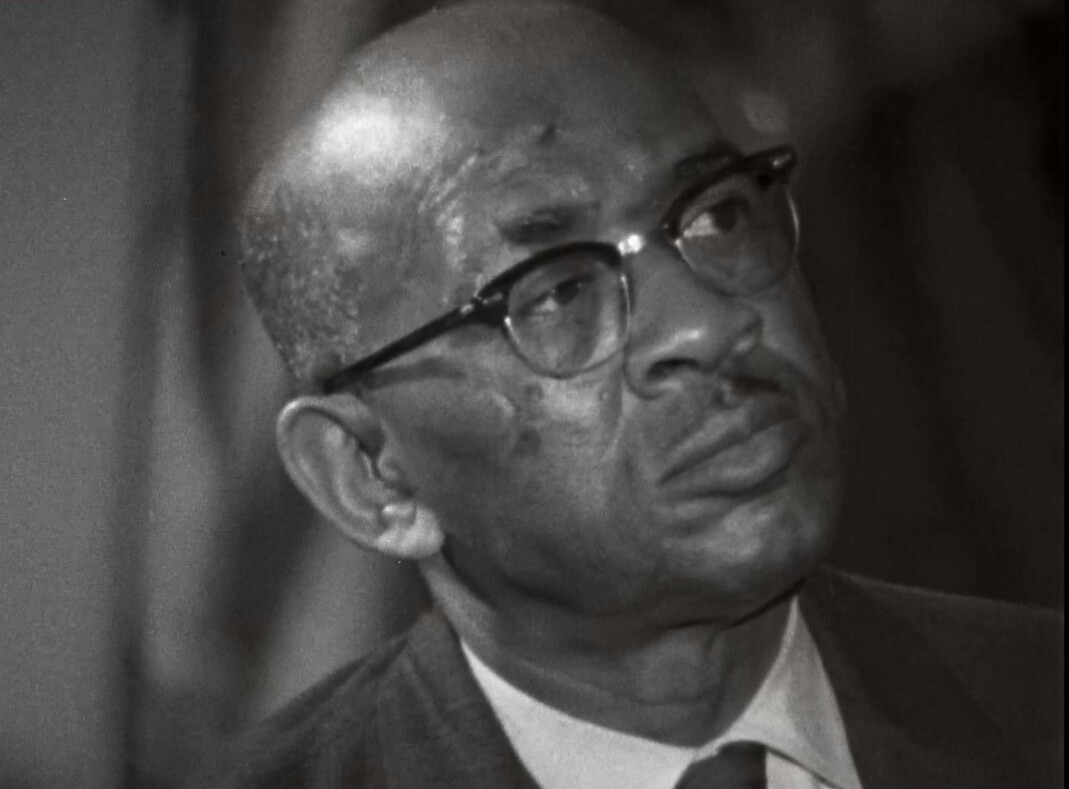
    NATCHEZ, Miss. — A new historical marker honoring civil rights leader George Metcalfe (1911-1989) has been approved by the Mississippi Department of Archives and History, Caleb Ellison, MDAH Program Manager, announced recently.

    “The story of George Metcalfe is extremely important in the history of Natchez,” said Ellison. “This marker is a well-deserved tribute to his remarkable and enduring legacy.”

    The marker will be installed in or near the triangle between Kelly Avenue, Brenham Avenue, and South Concord Avenue, which is the site where Metcalfe’s car was bombed by the Ku Klux Klan on August 27, 1965. This site is on the west side of the Armstrong Tire and Rubber Company, where Metcalfe was employed.

    “George Metcalfe is representative of the thousands of Black World War II veterans who came home and launched the modern Civil Rights Movement,” said Michael Morris, historian, and director of The Two Mississippi Museums in Jackson. “He is more than deserving of a state historical marker, which will detail the horrific violence he faced as he led the Natchez movement in the 1960s.”

    It will take at least six months for the marker to be manufactured and delivered to Natchez. Mayor Dan Gibson said he hopes it will arrive before August 27 – the anniversary of the bombing. He said it would be quite fitting to dedicate the marker on that date.

    “I am so grateful to see the day that our city properly pays tribute to the legacy of Mr. George Metcalfe, a pioneer in civil rights history – a man who did so much to engage our Black citizens in the electoral process and bring needed change to our city and state,” Gibson said. “The cowardly attack upon his life only served to bring more attention to the need for change to happen. He and his family suffered greatly, and all who believe in freedom and justice should never forget the price he paid.”

    ‘A born leader’

    Local historian Royal Hill Jr. said he is grateful to Metcalfe and others for their contributions to the Civil Rights Movement in Natchez.

    “It’s due time for a marker honoring Mr. Metcalfe,” he said. “When we speak of ancestors, we often speak of their sacrifices as blood, sweat, tears, or death. Mr. Metcalfe and the NAACP created the model as to how to lead and get results during the civil rights era. He was an icon and a born leader, that truly sacrificed for our race of people.”

    Metcalfe was a World War II veteran who worked multiple jobs leading up to his work with the Natchez branch of the NAACP, where he served as president. He and his wife, Adell, moved to Natchez from Louisiana around 1940. He worked as a truck driver for a sawmill and sold burial insurance. He also drew income from his rental property.

    His work with the NAACP made him a target of the Klan. In addition to leading a successful voter drive that resulted in over 8,000 African Americans registering to vote, he and the NAACP called on the Natchez city administration to denounce white supremacist groups and to end police brutality, among other things. They also urged the city to hire Black employees and to desegregate swimming pools, parks, and other public facilities.

    On one occasion, Metcalfe led a delegation that confronted the school board with a signed petition calling for the desegregation of the public school system.

    The car bombing

    On Friday, August 27, 1965, Metcalfe completed his shift around noon at Armstrong and walked outside the plant to his 1955 Chevrolet sedan. When he placed his key in the ignition and turned the switch, a bomb, planted inside the car by the Klan, exploded.

    Metcalfe survived with severe injuries that included burns, glass lacerations, and a broken arm. His right leg was shattered in three places, and his right eye was permanently damaged, according to historians. No one was ever charged with the crime. Nevertheless, the bombing fueled the local Civil Rights Movement. Historians say it became a turning point in the movement.

    Most notably, the bombing galvanized the Black community, prompting them to rise up and organize protest rallies. They marched, and they boycotted white-owned businesses. Many Blacks armed themselves and spoke out against the Klan violence.

    In September 1965, the Natchez Deacons for Defense and Justice organized to provide armed protection for Blacks and the civil rights workers against the Klan.

    In December 1965, the city of Natchez conceded to the demands of the NAACP. Metcalfe, however, spent a year recovering from his injuries and eventually returned to work at Armstrong, alongside suspected Klan members and people linked to the attack, according to Stanley Nelson, author of “Devils Walking: Klan Murders Along the Mississippi River in the 1960s” (LSU Press, 2016).

    Metcalfe eventually moved back to Monroe, Louisiana and died unexpectedly on April 21, 1989, in his home. He was 77.

  • From the Mayor’s Desk: Celebrating Freedom –  The Life and Legacy of Dr. Martin Luther King, Jr.

    From the Mayor’s Desk: Celebrating Freedom – The Life and Legacy of Dr. Martin Luther King, Jr.

    On August 28, 1963, a thirty-four year old minister standing on the steps of the Lincoln Memorial in Washington, DC captured the hearts of the world as he shared his dream for freedom and equality in America. Included in his impassioned speech, more a sermon really, was a 36-word prayer for our beloved state: “I have a dream that one day even the state of Mississippi, a state sweltering with the heat of injustice, sweltering with the heat of oppression will be transformed into an oasis of freedom and justice.”


    When Dr. Martin Luther King, Jr. spoke those words, it was indeed sweltering – unusually humid in our nation’s capital and sweltering in the summer heat of Mississippi. I find it no coincidence that Dr. King used the word “sweltering”, defined as “oppressively hot” in his famous address. Conditions in the Magnolia State and in other states across the south had become hot with the oppression felt by so many black Americans during their growing struggle to be treated equal and for their country to live up to its long-standing commitment to the ideals of freedom and equality.


    Jefferson had first penned the words in our Declaration of Independence, “We hold these truths to be self-evident, that all men are created equal, that they are endowed by their Creator with certain unalienable Rights, that among these are Life, Liberty and the pursuit of Happiness.” The 14th Amendment to the Constitution, adopted in 1868, had solidified the promise: “No State shall make or enforce any law which shall abridge the privileges or immunities of citizens of the United States; nor shall any State deprive any person of life, liberty, or property, without due process of law; nor deny to any person within its jurisdiction the equal protection of the laws.” And the American Creed, passed by the US House of Representatives in 1918, expressed faith in a government “established upon those principles of freedom, equality, justice, and humanity for which American patriots sacrificed their lives and fortunes.”


    During his historic address to the American people in 1963, Dr. King exposed the failure of America to live up to its promises – promises for which countless black Americans had “sacrificed their lives and fortunes”. From the Revolutionary War to the Civil War, from the Spanish American War to World Wars I and II, these patriots had given their “last ounce of devotion”, and yet black veterans and the descendants of those who had served were still being denied justice and freedom.


    In 1963, Dr. King also spoke hope – and I can only imagine the wave of hope that swept across many citizens in the Magnolia State on that humid summer day. For once, a national audience was listening – and the dream of a better America was implanted in the hearts of millions. Though in the years to follow, the heat of injustice would become even more sweltering

    with violence engulfing communities all over our country, hope that America would finally live up to its promise of freedom kept hope alive – and in time change would come.


    Things are far from perfect in Mississippi, and in America for that matter, but we have come a long way since that hot summer day in 1963. While there is still more work to be done, we as Americans should forever be grateful to a man who spoke truth and gave his life in the pursuit of freedom and justice. May the life and legacy of Dr. Martin Luther King, Jr. be celebrated not just today as we commemorate his birthday, but every day as we strive to live up to the challenge of “the dream” – for all to live in peace. Because Natchez, America, Deserves More.


    Authors’ Note: Please be sure to join us as we celebrate in music the life of Dr. King. Sunday, January 18, 5 – 7 p.m., Beulah Baptist Church, 710 B Street, Natchez.

  • Vidalia seeks historical marker for long-running Memorial Day Parade

    Vidalia seeks historical marker for long-running Memorial Day Parade

    VIDALIA, La. — The Town of Vidalia is seeking a historical marker to commemorate the Miss-Lou Memorial Day Parade, one of the longest-running Memorial Day traditions in the United States.

    On December 9, the Vidalia Board of Aldermen approved $1,000 for the marker, which it hopes to acquire through the Louisiana Historical Marker Program.

    Vidalia Mayor Buz Craft said in a recent interview that the cost is not an issue. “I think this is a worthy project,” he said. “Commemorating that parade would be a really nice thing to do. We will get it no matter what it takes. The price isn’t a heavy lift.”

    Craft said the location will be determined later. “We want it to be placed in an area where it can get some traction. We will try to come up with the best possible location for it where people can see it,” he said. However, he added, he will support any location decided by the board.

    Once the Louisiana marker is officially approved, Vidalia will join Natchez in honoring the Memorial Day tradition. Natchez’s marker was approved earlier this year by the Mississippi Department of Archives and History. Its installation, approved for 639 S. Canal St., is expected in 2026.

    Craft said the idea for the marker originated with Aldermen Tron McCoy of District 1 and Robert Gardner of District 2.

    According to Gardner, the marker will highlight a long-held tradition and important piece of African American history in Vidalia and Natchez.

    “It all started in Vidalia,” said Gardner in a recent interview. “I remember as a kid participating in the parade. I’ve been walking in the parade since I was eight.”

    He said participation in the parade has been a lifelong family tradition not just for his family but for many families in Vidalia. “We have really never not marched,” he said.

    James Theres, historian and director of “The 30th of May” documentary, said he was pleased to learn of Vidalia’s interest in the marker.

    “I’m delighted to hear that the citizens of Vidalia will be recognized with a marker commemorating their contribution to the historic ‘30th of May’ parade,” he said. “This marker is for those patriots who have passed on, but as important, it’s for future generations to carry the torch forward. This tradition must not extinguish because based on my research, it’s one of the longest-running, consecutive Memorial Day traditions in the United States.”

    Historian Cheryl Wilkinson has noted, “The earliest days of the parade can be documented at least to 1884, but possibly earlier though I’ve not been able to document. Newspaper accounts of the earliest events emphasize that it is the Black community holding the observance.”

    The Memorial Day parade, which started in the late 1800s, was originally held on May 30, and was called “The 30th of May Parade.” Participants began the procession in Vidalia at the Parson Brownlow Grand Army of the Republic (GAR) Post #23 at its original location in Old Town Vidalia, according to Wilkinson. “At some point after the Great Mississippi Flood of 1927, the Post’s headquarters was moved to its current location on Magnolia Street,” she said.

    Before the original Natchez-Vidalia Bridge was built in 1940, Parson Brownlow GAR members and other parade participants sailed from Vidalia on a ferry to Silver Street, where they joined up with the General John A. Logan Post No. 24 of Natchez. Together they marched to the Natchez National Cemetery, where a ceremony was held to honor the deceased military service members.

    After the bridge was built, hundreds of participants began their trek at the Vidalia GAR Post #23’s headquarters on Magnolia Street. From there, they marched to the Louisiana side of the bridge and crossed over to Natchez. They met up with the Natchez GAR at the toll booth for the bridge and then proceeded to the cemetery.

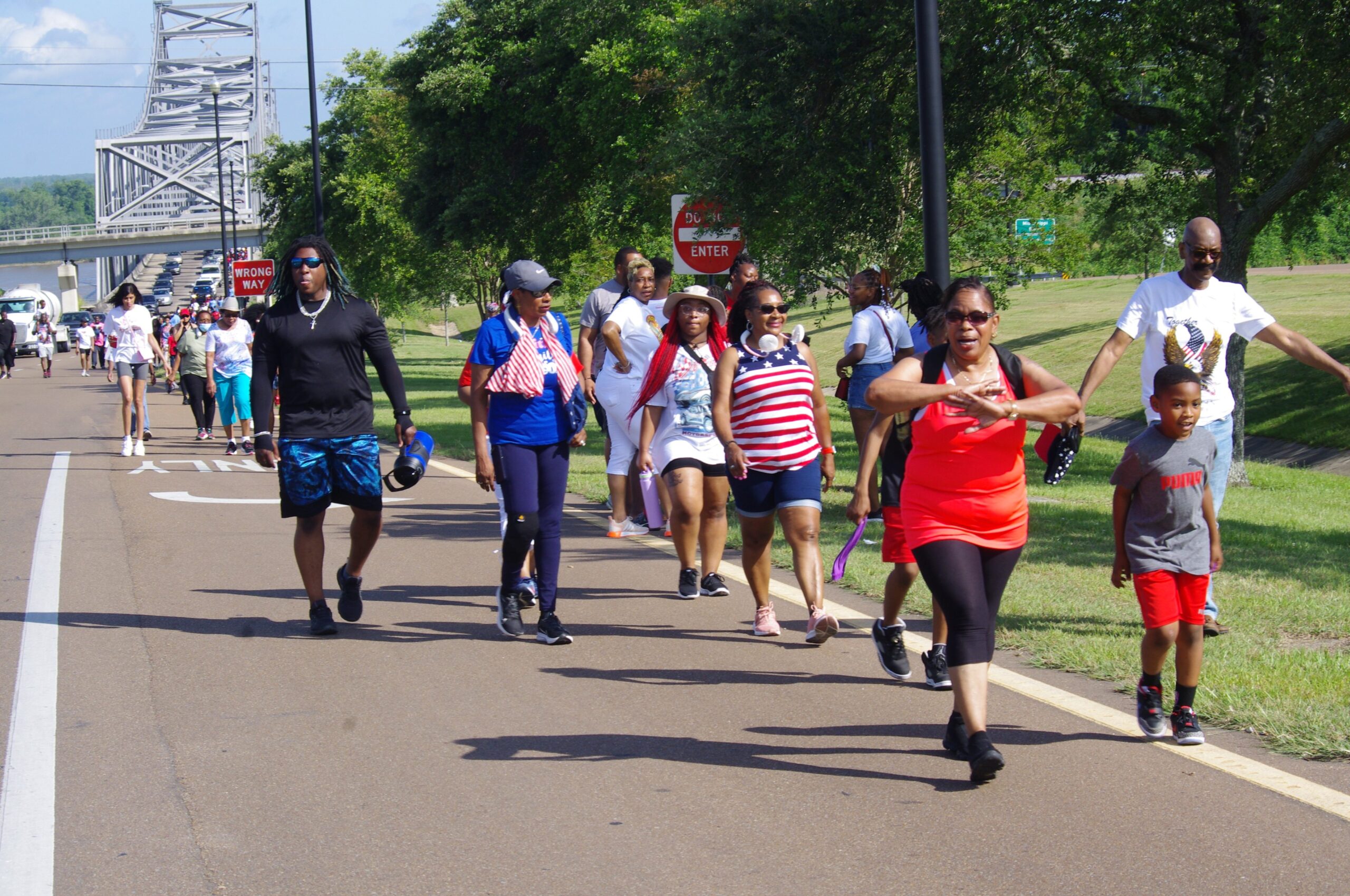
    The tradition now includes a stop at the Natchez Visitor Center at 640 S. Canal — which is near the site of the historic toll booth — before proceeding to the cemetery. The entire trek is about four miles.

  • Adams County supervisors approve marker for Black legislators of Reconstruction

    Adams County supervisors approve marker for Black legislators of Reconstruction

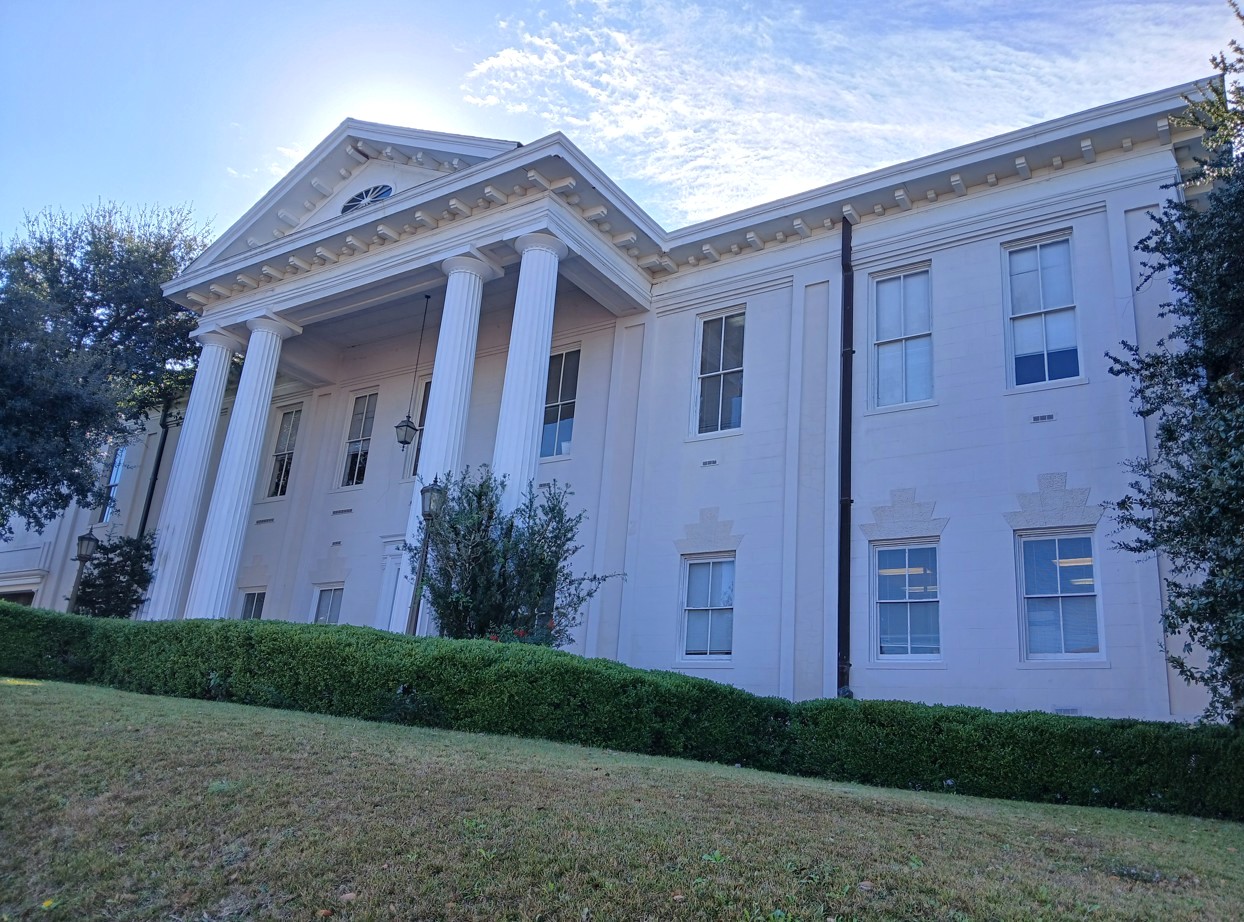
     Adams County is poised to install a new state historical marker on the grounds of the Adams County Courthouse that will honor its 10 Black legislators elected during Reconstruction. The marker is part of the “Making Their Mark” project, a statewide, grant-funded initiative to recognize the first African Americans to hold legislative office in Mississippi after the Civil War.

    The Adams County Board of Supervisors approved a request for the marker, presented by DeeDee Baldwin of Mississippi State University, on November 17.

    “This marker recognizes an important chapter in Adams County’s history and the men who served during a transformative period in Mississippi,” said Board President Kevin Wilson. “By acknowledging their service, we are helping preserve the full historical record for future generations and providing an opportunity for education, reflection, and community dialogue.”

    The marker will be acquired through the Mississippi Department of Archives and History. Installation is planned for late 2026. The exact location on the courthouse grounds will be determined later as the matter is reviewed by the Natchez Preservation Commission.

    According to Baldwin, the unveiling of the marker will be accompanied by a community event featuring creative performances by local students. All costs for its manufacture and installation will be covered by the “Making Their Mark” project through a grant from Monument Lab, a public arts nonprofit based in Philadelphia, Pennsylvania.

    As of December 11, a total of 11 markers has been approved by county boards of supervisors across the state.

    “We are so appreciative of the county supervisors who have worked with us so far to make this project a reality,” said Baldwin. “The support we’ve encountered is wonderful to see.”

    The draft text for the front side of the marker reads:

    The First Black Legislators

    After the Civil War, the 14th Amendment and a new state constitution enabled the people of Mississippi to elect 162 Black men to state or national office over the next 20 years, more than any other state. Ten of these legislators represented Adams County, including Hiram Rhodes Revels, the first African American to serve in either house of the U.S. Congress. The overthrow of Reconstruction and passage of the 1890 state constitution ended multiracial democracy in Mississippi for over 70 years.

    The text proposed for the back side reads:

    The following Black Men from Adams County served in the legislature from 1870-1891:

    United States Congress: John Roy Lynch and Hiram Rhodes Revels

    State Senate: Jeremiah M.P. Williams

    State House of Representatives: George F. Bowles, Felix L. Cory, Willis Davis, William W. Hence, Henry P. Jacobs, William H. Lynch, George R. Washington

    Baldwin and Chuck Yarborough of the Mississippi School for Mathematics and Science are co-directors of the “Making Their Mark Project” team, which comprises researchers and historians working to install markers and spearhead community programming in 22 counties.

    Team members include Brother Rogers, historian and former employee of the Mississippi Department of Archives and History; Dr. Roscoe Barnes III, cultural heritage tourism manager at Visit Natchez; Dr. Robby Luckett, professor and director of the Margaret Walker Center at Jackson State University; Heather Denne, executive director for Community Engagement at Jackson State University; and Vickie Roberts Ratliff of Land, Literacy, Legacy LLC.

    Baldwin, who serves as associate professor and engagement librarian at Mississippi State University Libraries, is a leading authority on the Black legislators who served during Reconstruction. Her website, “Against All Odds: The First Black Legislators in Mississippi,” provides biographies, photos, newspaper clippings, and other resources to assist people researching these elected officials.

    For her work on the website, Baldwin received an Award of Merit from the Mississippi Historical Society in 2025 and has been honored with the 2026 Humanities Scholar Award by the Mississippi Humanities Council.

  • Waters donates giclée print to Dr. John Banks House

    Waters donates giclée print to Dr. John Banks House

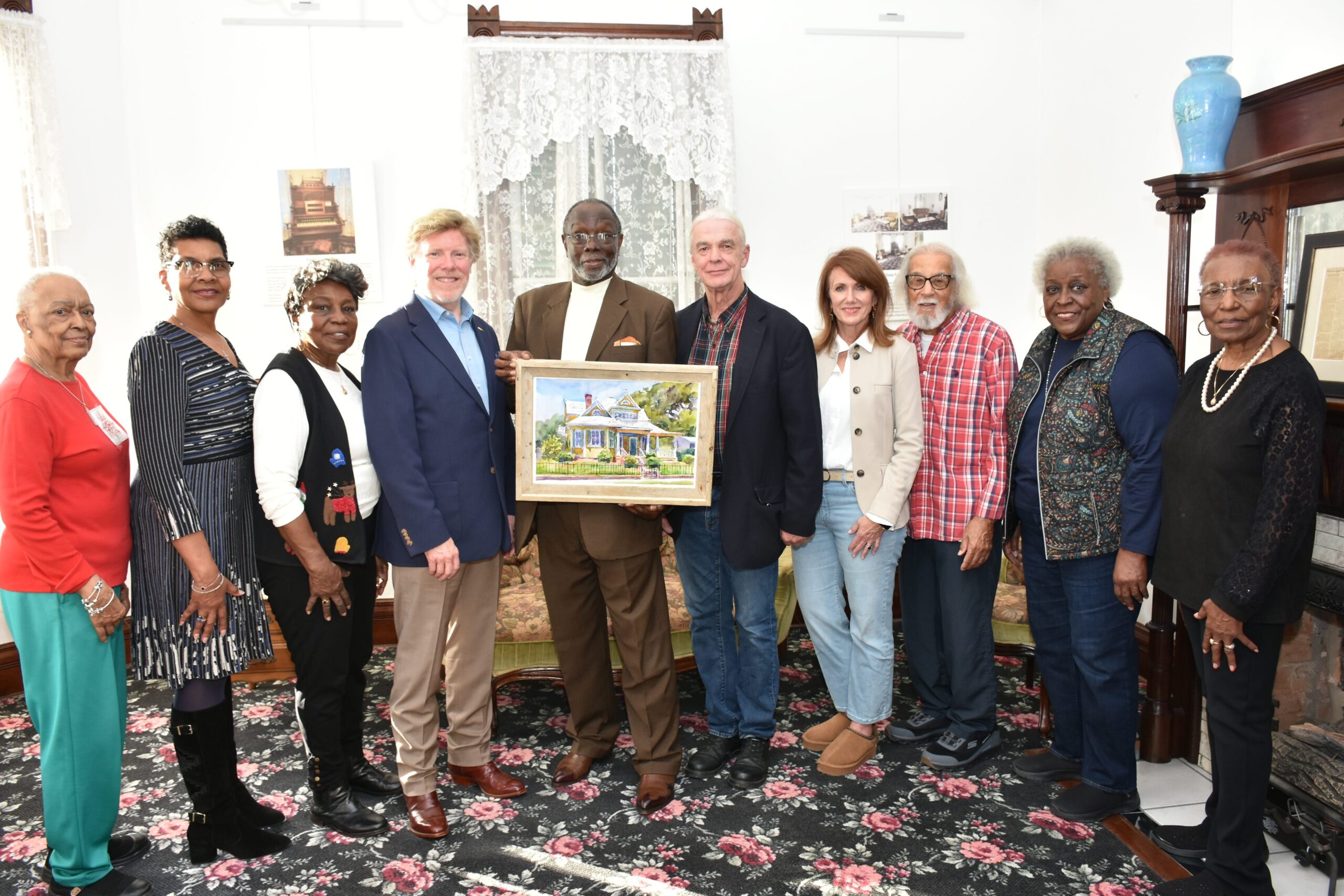
    When Thelma Newsome learned that Wyatt Waters had painted the watercolor, “Dr. John Banks House,” back in July, she became excited and curious.

    Newsome, a manager of the Dr. John Bowman Banks Museum, said the museum staff wanted a copy of the painting, but she wondered if she could purchase one with the help of her children.

    “When I contacted Wyatt Waters Gallery, I was told that Mr. Waters would be happy to donate a giclée print of the original painting to the museum,” she said. “I just couldn’t believe it. We were on Cloud 15 all day. We really do appreciate his gift.”

    Newsome shared these remarks Friday, December 12, at the museum, where Wyatt Waters and his wife, Kristi, officially presented the artwork to the Rev. LeRoy White, pastor of Rose Hill Missionary Baptist Church, and the church’s staff that manages the museum.

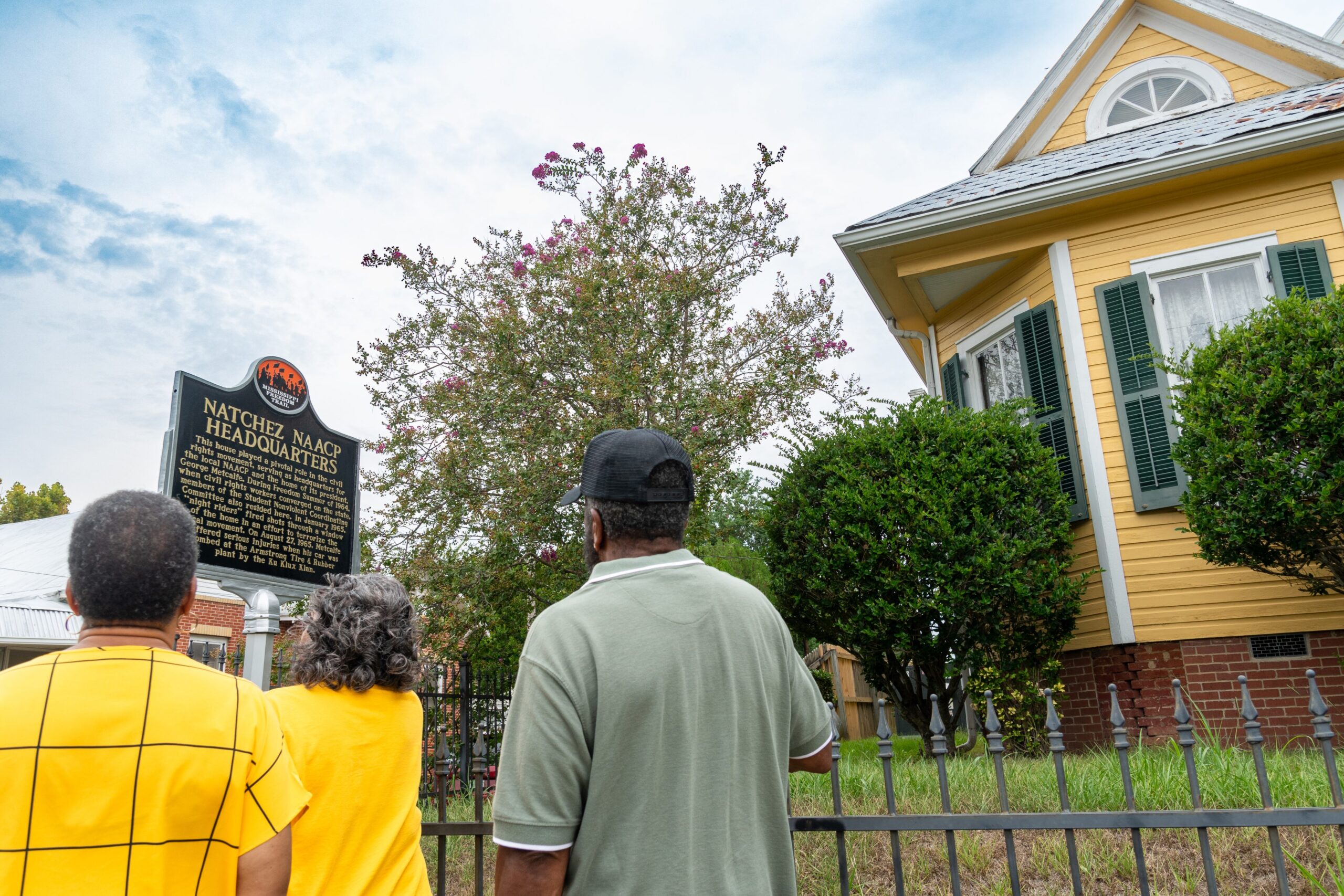
    The church inherited the Banks house in 2011 from Frank Robinson Jr., the grandson of Banks. The house, located at 9 St. Catherine St., became a museum in 2020. It is listed on the National Register of Historic Places. It is also the site of Natchez’s first Mississippi Freedom Trail marker.

    Banks was the first Black physician in Natchez, and his home served as the headquarters for the Natchez NAACP during the Civil Rights Movement of the 1960s.

    Newsome is one of several volunteers who operate the museum. She is joined by Dora Hawkins, Willie Woods, Jacqulyn B. Williams.

    At Friday’s presentation, White thanked the Waters for their donation. He said he is excited about Rose Hill’s ownership of the house. “We’re going to show it off to make sure everybody all over Mississippi, as well as the world, know what Dr. John Banks stood for,” he said.

    Mayor Dan Gibson also participated in the presentation. “What a blessing it is to have Kristi and Wyatt here in Natchez,” he said. “What is also such a blessing is, Wyatt is capturing so much of our history in such a beautiful way through his art, and it’s being shown all over.”

    Gibson said people are discovering Natchez because of Wyatt Waters’ art. “He is internationally known, internationally travelled, and he is also a fabulous painter,” Gibson said.

    Speaking to Wyatt Waters, Gibson said, “I’m grateful that you have done this for the Dr. John Bowman Banks Museum.”

    Wyatt Waters replied, “It’s our honor to be able to document this. A big part of our book is the story and not just the building.”

    When Newsome thanked Wyatt Waters for the painting, he said, “Without y’all, there wouldn’t be anything for me to paint here. Thank you for maintaining this building and for keeping this history alive.”

    In April 2025, Gibson met with the museum staff and kicked off a campaign to raise $15,000 to repair the building’s aging roof. The two-story wood-framed house was built in 1892. Gibson also honored Banks posthumously with a Key to the City, which he presented to Hawkins and other museum staff.

    According to Williams, a museum volunteer, the mayor’s campaign succeeded. She said they hired Chimneyville Roofing of Jackson to repair the roof, and the company finished the job in October.

    However, there is more work to be done. “We still need about $10,000 to $15,000 to repair the ceiling inside that was damaged by the roof leaks,” Williams said. “We also want to expand the museum to the rooms upstairs for our civil rights history. However, we need an elevator for ADA purposes.”

    Williams said there is also a need for cosmetic work for the porch.

    Tours of the museum are available by appointment. Information on tours or donations is available by calling 601-807-2537. All donations are tax-deductible. Checks should be made out to the Dr. John Bowman Banks Museum and mailed to P.O. Box 501, Natchez, MS 39121.

  • LSU Partnership Brings Sprayer Drones and Precision Farming to Louisiana Fields

    Agriculture drives about $13 billion of Louisiana’s economy, and a new partnership is helping the industry modernize. LSU of Alexandria (LSUA), the LSU AgCenter, and Louisiana drone company Guardian Aerial are teaming up to expand precision agriculture, through the use of tools like sensors and drones to improve farm efficiency and decision-making.

    Guardian Aerial founder Clinton Giglio, a former military and EMS helicopter pilot, saw a gap in Louisiana’s agricultural drone market and launched his company to fill it. The collaboration is centered on sprayer drones, a fast-emerging technology that can apply fertilizers and crop treatments more precisely, especially when field conditions make traditional equipment harder to use.

    Because sprayer drones are still new to many farmers, LSU AgCenter researchers are working quickly to test and document their benefits under Louisiana conditions. Farmers like Paul Van Mol see drones as a practical tool for better timing and crop management.

    LSUA is also expanding training so students can become licensed remote pilots and enter agriculture-tech careers locally. Leaders across the partnership say this approach can reduce costs for farmers, increase statewide efficiency, and create a Louisiana-based workforce to support a crucial industry.

  • 2026 MLK parade will honor Natchez Deacons for Defense

    2026 MLK parade will honor Natchez Deacons for Defense

    NATCHEZ, Miss. — The 2026 Dr. Martin Luther King Jr. Parade will honor the Natchez Deacons for Defense and Justice, with community leader Jackie Posey serving as grand marshal, announced Parade Chairperson Jacqueline Marsaw.

    The parade, which is sponsored by the Natchez Branch of the NAACP, starts at 3 p.m. Monday, January 19. Participants will line up at 2 p.m. on Broadway Street on the Bluff.

    The theme for the parade is, “The Fierce Urgency of Now,” a phrase taken from a speech by Dr. Martin Luther King Jr. It appears in this excerpt: “We are now faced with the fact that tomorrow is today. We are confronted with the fierce urgency of now. In this unfolding conundrum of life and history, there ‘is’ such a thing as being too late. This is no time for apathy or complacency. This is a time for vigorous and positive action.”

    The grand marshal was selected because of her leadership and commitment in helping people throughout the community, said Marsaw.

    She noted that when Posey is not working her regular job, she serves the Natchez community as the director of the Black Mustard Seed Community Service Group. Through the group’s Southwest Diaper Bank of the Miss-Lou, she and other volunteers help single mothers and others in need by donating pampers and milk, said Marsaw.

    Posey said she is grateful to Marsaw for the recognition. “It’s a surprise and an honor,” she said. “I feel very privileged to do this.”

    Posey is an administrative assistant at the Adams County Sheriff Office. She also directs the Adams County Sheriff Office Junior Cadet Program through which she works with students ages 10 to 18. In addition to providing them with training, she guides them in community service projects, including the “Stop Gun Violence” program presented recently by Grieving Mothers & Fathers, Positive Impact, and the Natchez NAACP.

    In regard to the Natchez Deacons, Marsaw said it is fitting to honor them in the parade because of their courage and their contribution to the Civil Rights Movement in Natchez. The Deacons provided armed protection for the Black community and civil rights workers against the violence of the Ku Klux Klan.

    “Their history is very interesting and inspiring,” said Marsaw. “When I was in school, I didn’t know this history. But they were there for our community when it counted.”

    Marsaw said she interviewed some of the Deacons in 2016 and 2017 for a book project led by Judge Mary Lee Toles and the NAACP. However, Toles died in 2017, and as a result, the book was never published. Still, Marsaw noted, what she and other NAACP members learned was impactful and will not be forgotten.

    “The Deacons told us that they didn’t hide from the KKK. They got on roof tops and watched the Klan. Sometimes they stayed up all night, taking turns watching the Klan,” she said, adding, 2026 is a good time to honor them.

    The parade route will start at North Broadway and Franklin streets and will travel along Franklin to N. Dr. M.L. King St., where it will turn left and proceed up to Minor and Spring streets, where it will end.

    Anyone interested in participating in the parade must register by January 15. Entry fees include $50 “for unlimited entries.” The fee is $10 for a single car or truck and $5 for a single horse. No four-wheelers allowed.

    First- through Fifth-place awards will be presented for the best floats.

    For more information, call 601-443-1350.