Author: Imported Author 2289001

  • Neifa Hardy earns doctorate in Psychology

    Neifa Hardy earns doctorate in Psychology

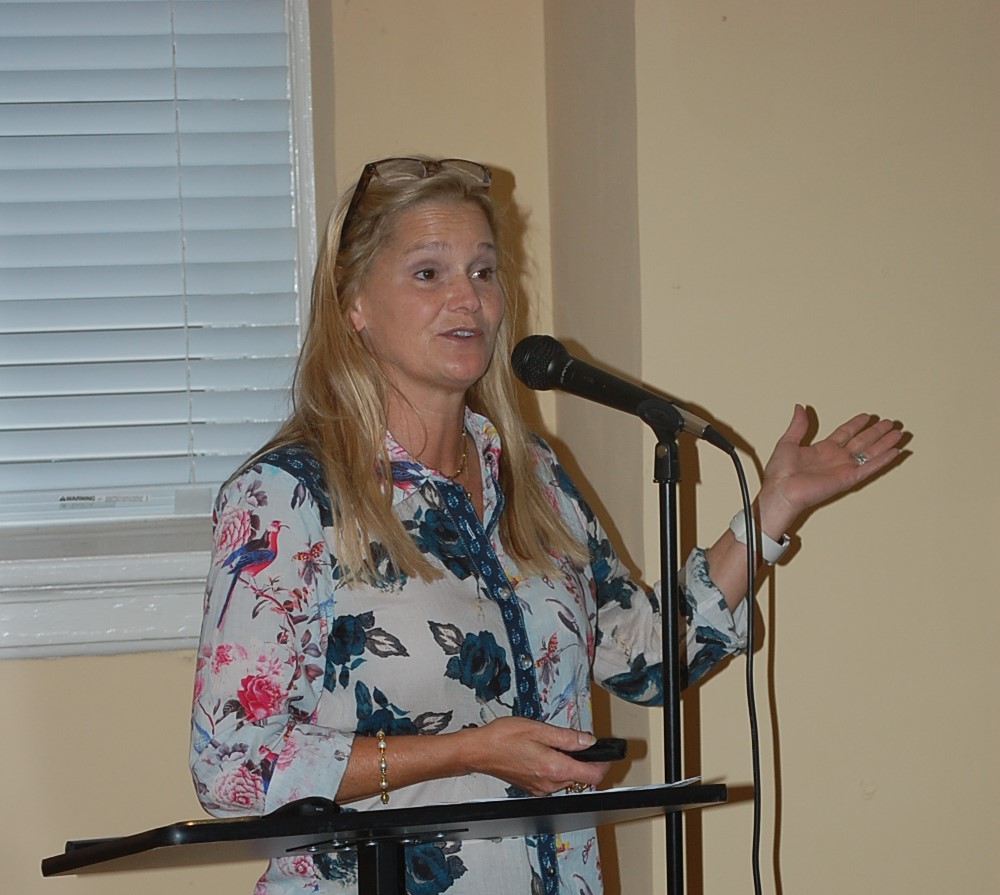
    NATCHEZ, Miss. — Neifa Hardy, the community liaison to Mayor Dan Gibson, recently earned her Doctor of Psychology in Behavioral Health Leadership degree from Walden University. She passed her oral defense on Nov. 20 and will graduate on Jan. 20, 2024, in Walden’s winter 2024 commencement at the Gonzalez Convention Center in San Antonio, Texas,

    Hardy said she is proud of the accomplishment and that it occurred in the face of many challenges.

    “Reaching this level in my educational career is an amazing achievement,” she said. “During the time I was in my program I faced many challenges, such as losing my first chair, my best friend, and my mother all within a short period of time. Therefore, writing and editing were certainly difficult.”

    Hardy explained that during the tough times, it was important for her to have faith and to understand that her achievement was bigger than herself. This, along with the support of her husband and children, gave her the push she needed to continue, she said.

    Mayor Gibson said he is extremely proud of Hardy. “I honestly don’t know how she does it all,” he said. “She is so hardworking, managing a family, small children, and serving our community so well in so many ways! Neifa’s commitment to excellence, along with her tremendous talent and God-given abilities are an inspiration.

    “On behalf of the city, I’m pleased to offer her my congratulations. For all she has accomplished, I feel like this is only the beginning. ‘Dr. Hardy’ has a nice ring to it!”

    Hardy holds a bachelor’s degree in Elementary Education K-8th from Louisiana State University and a master’s degree in Community Mental Health Counseling from the University of New Orleans. In her doctoral program, she completed a capstone project titled, “Behavioral Health Leaders’ Crisis Preparedness in Health Care Organizations.”

    “I worked closely with four participants at an organization in the southern region of the United States for a year, conducting face-to-face interviews, phone interviews, and reviewing records to gather data for the capstone,” Hardy said.

    She noted the significance of her topic is highlighted by a number of critical factors. For example, she said, her study was prompted by “the growing number of crises in the United States, including natural and man-made disasters.”

    Her study focused on “identifying critical concerns in higher-level leadership training for supporting teams and managing crises,” she said. The study followed The Baldrige Excellence Framework, which includes seven Health Care Criteria for Performance Excellence including: leadership, strategy, customers, measurement, analysis, and knowledge; workforce, operations, and results.

    Hardy said that her research shows there are seven key themes, such as preparedness, administration, REPC (regional emergency planning committee), training, staff, stakeholders, and BHL (behavioral health leaders)/senior leaders that needed to be addressed to improve crisis involvement at the organization.

    “From these findings, I also presented detailed recommendations to the organization outlining an eight-phase plan with a 12-month timeline to assist in implanting leadership involvement,” she said.

    Looking back, Hardy said she has always wanted to earn a doctorate, but it always seemed like the time was not right. “Then the time was right, when I wanted to show my daughter, that all things are possible and that she can do anything with hard work and perseverance,” she said.

    Soon after she passed her oral defense, her husband, Andrell Hardy, shared the news on Facebook. “Congrats Dr. Neifa Hardy on a successful defense,” he posted. “2 1/2 years of research and countless hours of reading and writing! We are so proud of you.”

    In addition to her work with the City of Natchez, Neifa Hardy is the public information officer for the Emergency Management for Adams County, a position she has held for about four years. She is also co-owner of Helping Hands Counseling and Behavioral Services.

    When asked about her plans, Neifa Hardy said she will “continue to work in the mental health field and work closely with organizations to build teams and strategies to support crisis involvement in leadership.”
  • Sunnyside presents bust of its builder, Rev. William Watkins

    Sunnyside presents bust of its builder, Rev. William Watkins

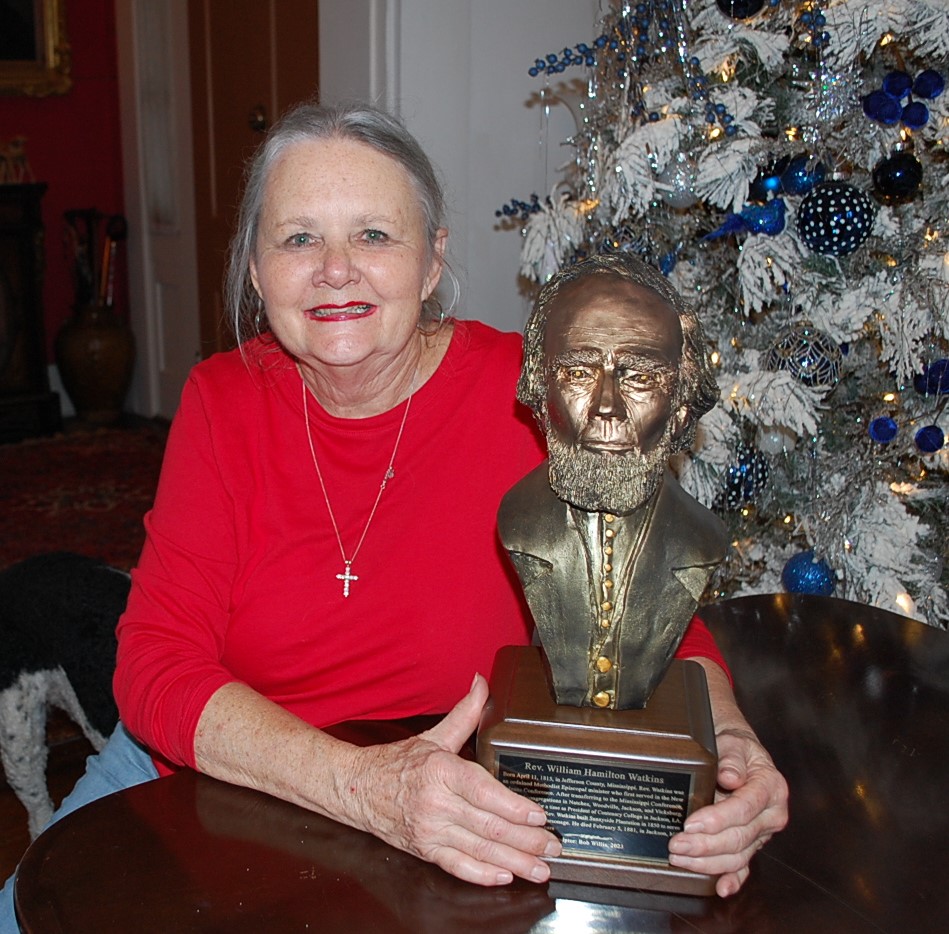
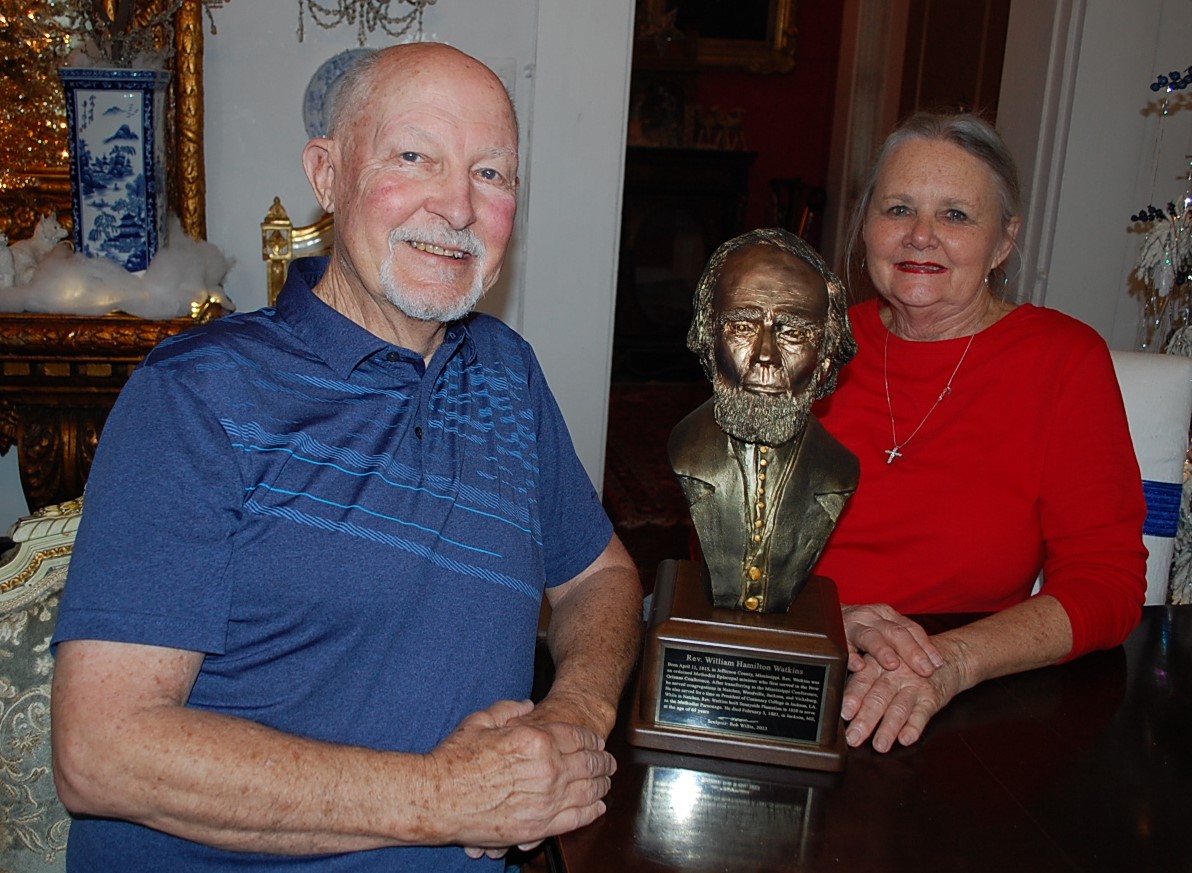
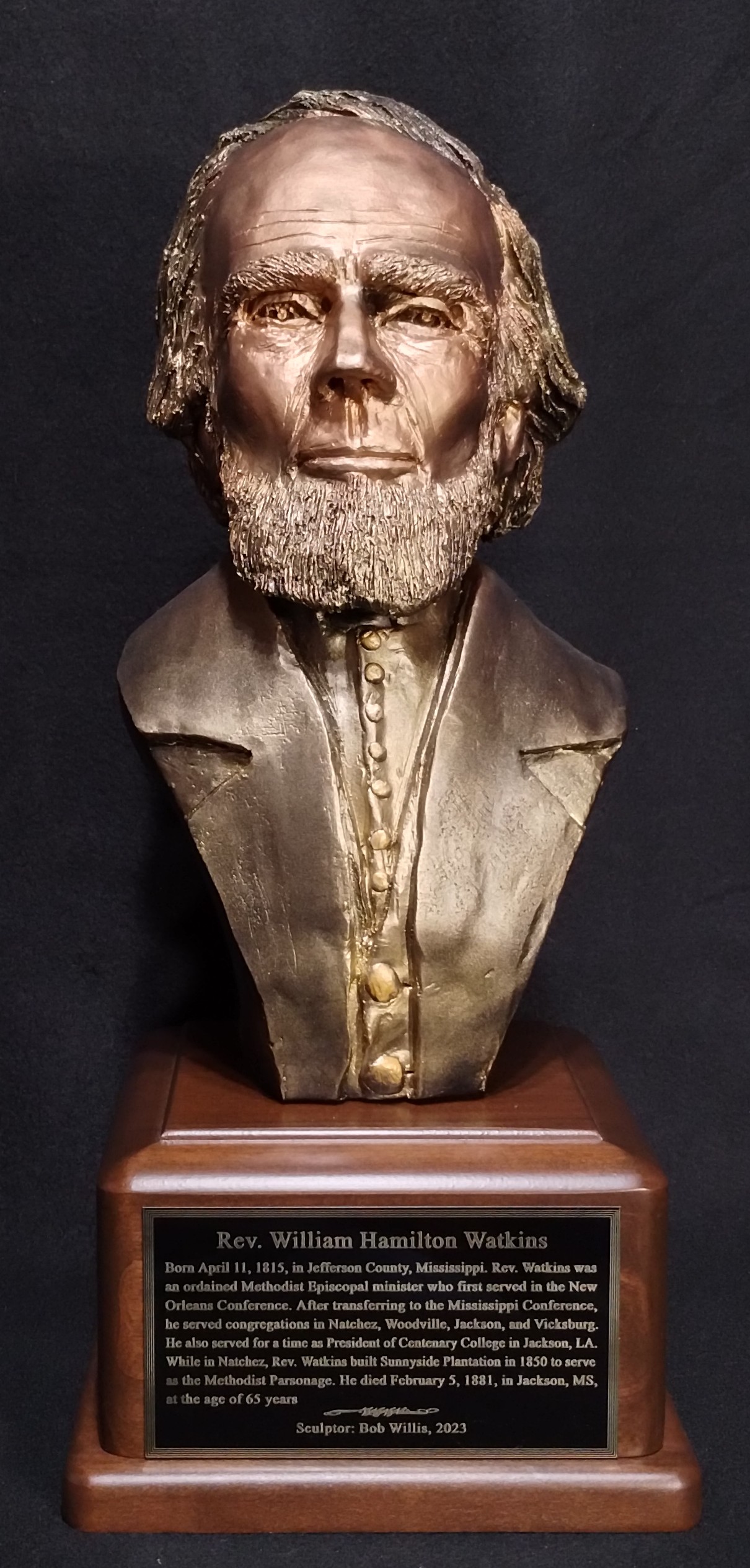
    NATCHEZ, Miss. – Despite facing a serious storm on Monday evening, a group of friends and visitors came out to see the unveiling of Bob Willis’ bust of the Rev. William Hamilton Watkins (1815-1881) at Sunnyside Bed & Breakfast at 102 Rembert St.

    “Rev. Watkins is the most important subject that we talk about during our tours,” said Sunnyside owner Colleen Wilkins. “Everybody was just amazed when they saw the bust. They were amazed by the likeness. It was so perfect, and it matches the photo so well. Everybody was struck by the resemblance.”

    Watkins was the Civil War-era preacher who built Sunnyside as a parsonage in the 1850s. As pastor of Jefferson Street Methodist Church, he was known as a preacher of conviction and the minister who conducted the funeral service for William Johnson, the “Barber of Natchez,” in 1851, according to Wilkins.

    “There is a story with Rev. Watkins,” said Wilkins. “We dedicate our tours to talking about the history of Rev. Watkins. After I saw his bust, I knew this would be just the thing to put an exclamation point on the end our story. We can now point to the bust and say, ‘This is a likeness of him sculpted by Bob Willis.’”

    Willis is a retired pastor and grief counselor who lives in Oklahoma. He’s been a sculptor for almost 30 years. He and his wife, Lynn, are frequent visitors to Natchez, a place, he said, they absolutely love. Over the years, he has sculpted several important figures from the city’s history.

    Earlier this year, Zion Chapel A.M.E. Church commissioned Willis to sculpt a bust of Hiram Rhodes Revels, the first African American to serve in the U.S. Congress. Revels was also an early pastor of Zion Chapel and the first president of Alcorn A&M College, which is now Alcorn State University, in Lorman. The church unveiled Revels’ bust during a special ceremony on Sept. 30.

    Wilkins said she learned of Willis’ work through her friend, Ann Elizabeth Kaiser, who oversees The Manse at 307 South Rankin. The Manse houses three of Willis’ sculptures.

    “She wanted me to meet him and so she brought him over,” Wilkins recalled. “He showed me pictures of some of the things he’s done. It’s unbelievable what he can do.”

    In a recent post on Facebook, Kaiser commented on a photo of Watkins’ bust shared by Wilkins. “Amazing!” she wrote. “We have so many historical figures in Natchez to remember! Your tourists at Sunnyside will surely love and appreciate this beautiful art piece along with learning about Dr. Watkins. Perfect for our tourism industry! Can’t wait to see the sculpture in person!”

    Colleen Wilkins, owner of Sunnyside Bed & Breakfast, displays bust of the Rev. William Hamilton Watkins, that was sculpted by Bob Willis of Oklahoma.

    Wilkins said the bust will be placed in the entryway of Sunnyside. “I want everyone to see what beautiful work Willis does and hopefully have a bust sculpted of someone they love and respect. I think anybody who sees his work will be amazed.”

    Watkins was born on April 11, 1815, in Jefferson County. Willis said he was an ordained Methodist Episcopal minister who served congregations in Natchez, Woodville, Jackson, and Vicksburg. He also served for two years as president of Centenary College in Jackson, La. (now located in Shreveport, La).

    Watkins and his wife, Elizabeth, had eight children. During the Civil War, he was arrested for treason and spent time, possibly several months, in a prisoner of war camp until the end of the war.

    Wilkins recounts his story as follows:

    When the Union troops were camped at the top of the hill at Rembert and St. Catherine streets, a Union soldier by the name of Jones became friends with the Watkins family. Watkins’ daughter, Hattie, fell in love with him.

    One day Jones was nearby when Confederates came to Watkins for assistance. They ask if he would contribute money, food, arms, and clothing to the Confederacy. Watkins agreed to help. His oldest son was fighting in the war, and he hoped that some of his contributions would get to his son.

    Jones, however, reported Watkins to the Union Army, and in 1865, Watkins was arrested and charged with treason. According to reports, he was roughly treated. He reportedly said that he had never been so deceived in his life as by Jones.

    During his trial, the commandant told Watkins that the crimes for which he was charged are punishable by death. Watkins replied, “I know nothing of the laws of war, only the gospel of God.”

    Watkins’ bail was set at $10,000, which is equivalent to about $188,755.21 in 2023. Because he only made $1,100 a year (about $20,763.07 in 2023), he could not come up with the money. Consequently, he remained incarcerated until the end of 1865, when he was released along with the POWs. Once released, he went on to minister in Jackson, Vicksburg, Woodville, and other places.

    Watkins died on Feb. 5, 1881, in Jackson. He was 65. He is buried at Cane Ridge Cemetery in Lorman, Miss.


  • Peter Wolf to talk about ‘Sugar King of Louisiana’ at Nov. 28 meeting of Natchez Historical Society

    Peter Wolf to talk about ‘Sugar King of Louisiana’ at Nov. 28 meeting of Natchez Historical Society

    NATCHEZ, Miss. – Noted author and biographer Peter M. Wolf will talk about Leon Godchaux, the “Sugar King of Louisiana,” at the Tuesday, Nov. 28. meeting of the Natchez Historical Society.

    The program is free to the public and will be held at the Historic Natchez Foundation, 108 S. Commerce St. It will begin with a social at 5:30 p.m. and the presentation at 6 p.m. Members and non-members alike are invited to attend.

    Wolf is the author of “The Sugar King: Leon Godchaux: A New Orleans Legend, His Creole Slave, and His Jewish Roots” (Xlibris, 2022). He is the great-great-grandson of Godchaux.

    Wolf’s book tells the story of Godchaux, who arrived in New Orleans in 1837 as a “penniless, illiterate, Jewish 13-year-old from France.” Although he had hopes and dreams, he never learned to read or write in English or French. However, by the end of his life, Godchaux became the owner of 14 plantations and the largest sugar producer in the region, as well as the top taxpayer in the state, which earned him the name, “Sugar King of Louisiana,” according to Wolf’s website. Wolf noted, however, that Godchaux refused to enter the sugar business until the end of slavery.

    “Although the arc of Godchaux’s life is located largely in New Orleans and the wider Louisiana, its themes, challenges, and issues will resonate with the Natchez experience of the 19th Century,” said Alan Wolf (no relation to Peter), a director of the society and its program chair. Additionally, Alan Wolf noted, two African Americans — Joachim Tassen and Norbert Rillieux — played important roles in Godchaux’s success. Tassen was enslaved and Rillieux was a free man of color and inventor.

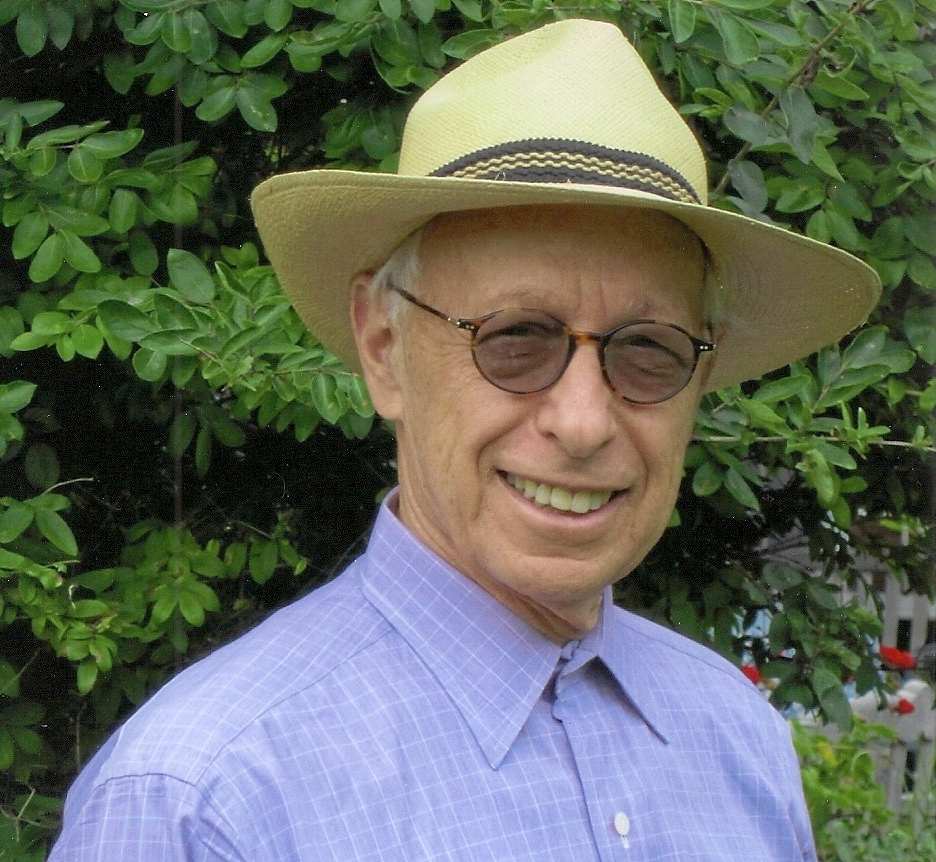
    Peter Wolf is a fifth generation native of New Orleans. He holds a Bachelor of Arts from Yale University, a Master of Arts from Tulane University, and a Doctor of Philosophy from New York University.

    Peter M. Wolf is author of “The Sugar King: Leon Godchaux: A New Orleans Legend, His Creole Slave, and His Jewish Roots.”

    Peter Wolf’s online biography notes his research has taken him to Paris as a Fulbright scholar and to Rome as a visiting artist and scholar at the American Academy in Rome. He currently serves on the advisory board of the Tulane University School of Architecture, and as a trustee of the Louisiana Landmarks Society.

    Peter Wolf is the author of many books. His titles include “My New Orleans, Gone Away, A Memoir of Loss and Renewal” (Delphinium Books Inc., 2013); “Land Use and Abuse in America: A Call to Action” (Xlibris, 2010); “Hot Towns: The Future of the Fastest Growing Communities in America” (Rutgers University Press, 1999); and “Land In America: Its Value, Use and Control” (Pantheon Books, 1981).

    Peter Wolf’s  biography of Godchaux, “The Sugar King,” has been widely acclaimed. Henry Lewis Gates, Jr., wrote, “Peter Wolf’s The Sugar King is an absorbing ancestral journey.” Walter Isaacson, praised the book as “a story of ambition and humility, otherness and assimilation, and the wondrous complexities of the South and America.” Lawrence N. Powell noted “There are eye-openers in nearly every chapter.”

    This Nov. 28 program held by the historical society is funded in part by a grant from the Mississippi Humanities Council, through funding by the National Endowment for the Humanities. For more information, visit natchezhistoricalsociety.org or call 601-492-3004. Emails may be sent to info@natchezhistoricalsociety.org

  • Louise R. Bruce posthumously awarded Congressional Gold Medal

    Louise R. Bruce posthumously awarded Congressional Gold Medal

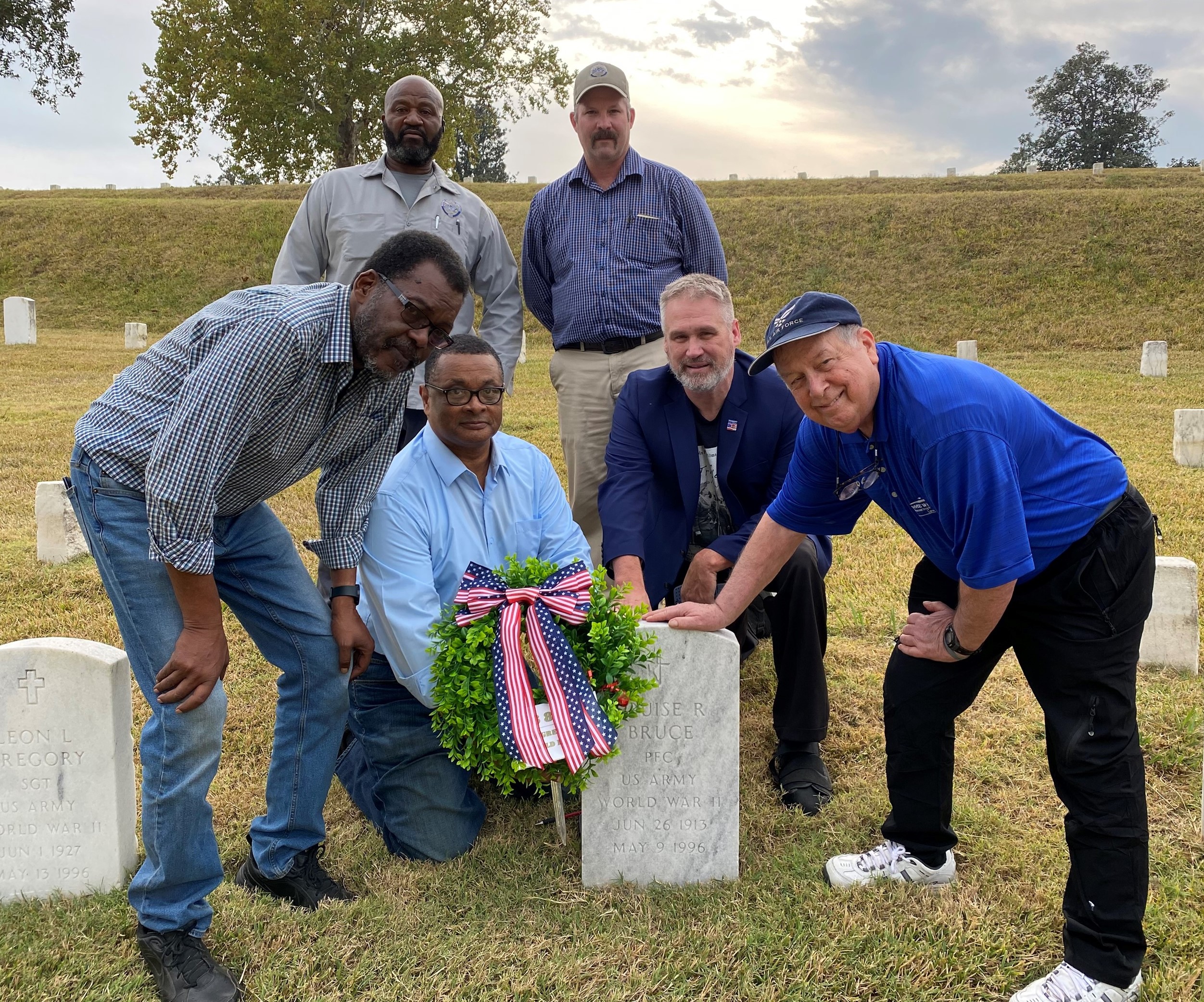
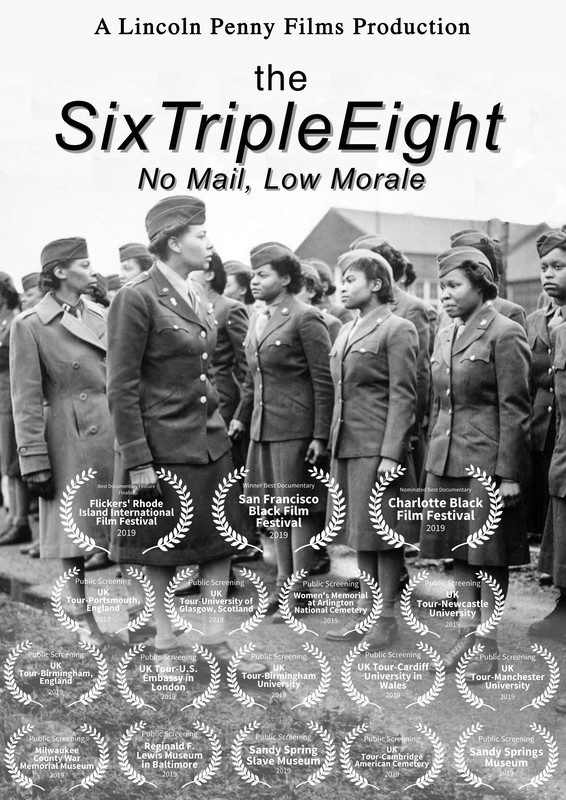
    NATCHEZ, Miss. – Before the showing of his film “The Six Triple Eight” on Monday at NAPAC Museum, James Williams Theres, the film’s director and producer, stopped by the Natchez National Cemetery to honor the late Louise R. Bruce, who served with the 6888th.

    Theres announced that Bruce is a recipient of the Congressional Gold Medal, an honor bestowed on her as a member of the 6888th Central Postal Director Battalion. The medal is considered the U.S. “Congress’s highest expression of national appreciation for distinguished achievements and contributions by individuals, institutions, or groups,” according to a U.S. Senate website.

    President Biden signed the “Six Triple Eight” Congressional Gold Medal Act into law in March 2022.

    Bruce (1913-1996) was one of the 855 black women in the first and only all-black female battalion who served in Europe during World War II, according to Theres. He said her battalion cleared a two-year backlog of mail and helped to deliver more than 17 million pieces of mail near the end of the war.

    Wreath on her grave

    Theres placed a wreath on Bruce’s grave. He was joined by G. Mark LaFrancis, president of the Home with Heroes Foundation; Roscoe Barnes III, cultural heritage tourism manager for Visit Natchez; Darrell White, local historian; Larry Smith, retired lieutenant colonel in the U.S. Army; and Kilpatrick Wilson and Ryan Hannon of the Natchez National Cemetery. Wilson is the equipment operator and work leader, and Hannon is assistant director for the cemetery.

    “It was an honor to recognize Ms. Bruce’s service to her country,” said Theres. “Her unit played a critical role in sustaining morale for the troops overseas in Europe during World War II.”

    Smith echoed similar remarks, noting he was fortunate to participate in the ceremony. “It was an honor and privilege to pay my respects to Private First Class Louise Bruce, placing a wreath next to her headstone in the Natchez National Cemetery, recognizing her selfless and historic service in the SixTripleEight during the Second World War,” he said. “As a fellow veteran, I’m sure she’d be pleased to know that her service is still recognized today and has not been forgotten by a grateful nation.”

    Interestingly, Theres noted, “Bruce is buried not far from Natchez National Cemetery’s only Medal of Honor recipient, U.S. Navy black Civil War veteran, Wilson Brown.”

    LaFrancis said The Home with Heroes Foundation was proud to be a part of the wreath ceremony.  The organization plans to create a photo display with the 6888th in its new Military Museum and Veterans Welcome and Information Center at 107 Jefferson Davis Blvd., he said.

    “I’d like to think that maybe the 6888th might have helped my father’s mail get to him and to our family during World War II,” LaFrancis added. “These were extraordinary women.”

    Possible member of 6888th

    Another Natchezian who may have served with the 6888th was Gwendolyn Mamie Freeman Johnson (1924 – 2017), according to researcher Marsha Holder, who penned a biographical note about Johnson on Findagrave.com. When contacted by email, Holder wrote:

    “I got on board to help with the 6888th Central Postal Battalion monument project at Fort Leavenworth back in May 2018.  The project manager, Carlton Philpot, had talked to ‘Gwen Johnson’ previously and from their conversations and her knowledge about the group, he knew for sure she was a member of the 6888th.”

    To date, no military records show that Johnson was  a member of the 6888th, according to Theres. However, her membership with the unit is strongly suggested by anecdotal evidence, he said. Theres explained there are a few members of the 6888th who were not identified, and Johnson may well be one of those unnamed members.

    Renza Grennell, mother of former Natchez Mayor Darryl V. Grennell, said in a recent interview that Johnson was married to her uncle, James Johnson, and they both served in the military during World War II. Renza said she did not know what job Gwendolyn did in the military, but she’s certain that she served with the Women’s Army Corps.

    Renza said she remembers when Gwendolyn returned to Natchez after the war. “I was a little girl then,” she said. “She and her husband later moved to Chicago where she worked in the post office.”

    Renza said Gwendolyn also worked in the Natchez Post Office. “She may have been the first black who ever worked inside the post office,” she said. “Then she became a letter carrier.”

    The documentary

    NAPAC museum provided a free showing of Theres’ film on Monday, Nov. 6.  The film presented the history and cultural context of black women serving in the military during the Second World War. In addition to interviews with the veterans, the documentary included historical photographs and stories about the challenges of the women facing segregation and other Jim Crow practices in the military.

    Despite their challenges, however, the film shows that the women were not only eager to serve, but they also succeeded with their mission.

    Theres noted the stories of the women have garnered praise and national recognition. He said that even Tyler Perry is working on a movie about the women of the 6888th.

    Betty Lou Hicks, who watched the film, said she thoroughly enjoyed it. “Those who did not attend missed seeing a fascinating documentary,” she said. “The story is another little-known but very significant episode in American history.”

    “The documentary was a deeply moving and highly interesting account of her unit, a story that everyone should see,” said Smith. “It’s a part of the Bruce family, Natchez, and American history that deserves to be remembered. I enlisted in 1983 into an Army decades after integration.

    “I served alongside African American women and men of all ranks. I wish that we had been aware of the contributions of the SixTripleEight and of inspirational women like PFC Louise Bruce.”

  • Ser Boxley creates poster on civil rights movement

    Ser Boxley creates poster on civil rights movement

    NATCHEZ, Miss. — Ser Seshsh Ab Heter-Clifford M. Boxley says the poster he created earlier this year provides critical details about the civil rights movement in Natchez, where much of the history springs from the “yellow house” at 9 St. Catherine St.

    During the 1960s, the house served as the home of NAACP President George Metcalfe and the headquarters for the local NAACP. Today, the house is known as the Dr. John Banks House or the Dr. John Bowman Banks Museum. It is also the site of Natchez’s first Mississippi Freedom Trail Marker.

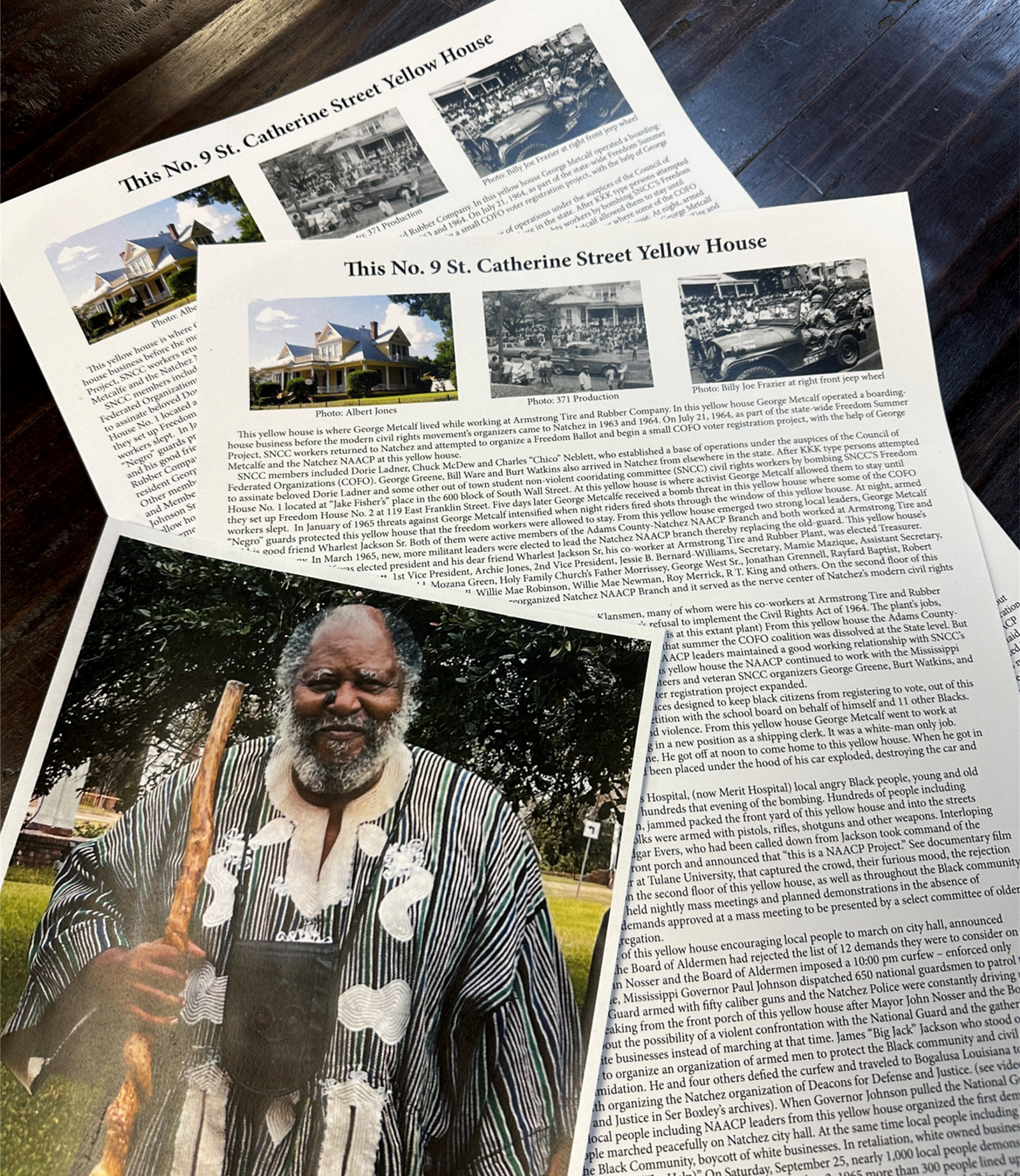
    Boxley’s poster is titled, “This No. 9 St. Catherine Street Yellow House.” It is designed on one side of a 12×18 cardstock with two black-and-white, historic photos and a colored photo of the yellow house. The written content, presented like an essay, is about 1,900 words.

    The idea for the poster grew out of a concern about “the whole truth” being told about African American history in Natchez, Boxley said. For too long, he added, “only the White, European, segregated history was being promoted.”

    Boxley said the public needs to know that the history of the modern civil rights movement in Natchez came out of the house on St. Catherine. His poster, he said, is “designed to arm people with what really happened in the civil rights movement and not just the story of Dr. John Banks” and his work as a physician. “This is all in the interest of wholistic history,” he said.

    The historical narrative presented on the poster is based on Boxley’s research and his personal experience in the civil rights movement. In 1965, when Boxley returned to Natchez to visit his mother, he attended a meeting with the Natchez Deacons for Defense and Justice, a paramilitary group that provided armed protection for the civil rights workers and the Black community.

    Boxley said he became a member of the Deacons, and he assisted them with fundraising and acquiring firearms.

    Boxley’s poster essay opens with a reference to NAACP President George Metcalfe living at the yellow house and operating a boarding house on the site. He notes the use of the house by many in the civil rights movement.

    He writes: “On July 21, 1964, as part of the state-wide Freedom Summer Project, SNCC (Student Nonviolent Coordinating Committee ) workers returned to Natchez and attempted to organize a Freedom Ballot and begin a small COFO (Council of Federated Organizations) voter registration project, with the help of Goerge Metcalfe and the Natchez NAACP at this yellow house.”

    The SNCC members included Dorie Ladner, Chuck McDew and Charles “Chico” Neblett, Boxley writes, adding Bill Ware, George Greene, and Burt Watkins also came to Natchez to assist in the movement.

    Boxley notes that when members of the Ku Klux Klan tried to assassinate Ladner and other SNCC members by bombing Freedom House No. 1 at Jake Fisher’s place in the 600 block of South Wall Street, the ladies stayed at Metcalfe’s boarding house.

    Boxley writes that Metcalfe and his friend, Wharlest Jackson Sr., were “two strong leaders” who emerged from the house. Both of them worked at Armstrong Tire and Rubber Company and both were active members of the NAACP.

    Boxley lists the key members of the NAACP who were instrumental in bringing about change in Natchez. In addition to Metcalfe and Jackson, he lists Archie Curtis, John Fitzgerald, Mozana Green, Holy Family Church’s Father Morrissey, George West Sr., Jonathan Grennell, Rayfard Baptist, and Robert Johnson Sr., among others.

    Readers of Boxley’s poster will see detailed information about the Natchez movement. It features, for example, the harassment Metcalfe received from the Klan that included threats and shooting into the window of his home. The essay also covers the Aug. 27, 1965, bombing of Metcalfe’s car by the Klan, which he survived, but suffered serious injuries.

    Also featured is a behind-the-scenes look at the movement, including the work of the Mississippi Freedom Democratic Party, and State NAACP Field Director Charles Evers, brother of slain State NAACP leader Medgar Evers.

    Boxley covers the establishment of the Natchez Deacons for Defense and Justice under the leadership of James “Big Jack” Jackson and their role in providing armed protection for the black community. He recounts how the black community, angry and motivated, stood up to the White oppressors. They held nightly mass meetings and demonstrations. They also called on the city to denounce the Klan and other white supremacists.

    According to Boxley, the Black community’s use of armed self-defense, economic boycott of white-owned businesses, and enforcement of the boycott, resulted in the city conceding to the demands of the NAACP.

    Boxley ends his essay with a quote by historian Lance Hill, who wrote, “The Natchez campaign was the single greatest community victory for the Civil Rights movement in Mississippi.”

    For more information:

    Boxley’s poster on the civil rights movement is available for a $10 donation plus $5 for shipping and handling for one copy. Payment should be made to Friends of Forks of the Road, P.O. Box 2188 Natchez, MS  39121. For more information, call 601-442-4719 or send email to Forksyaroads@aol.com.

  • Special events planned for Veterans Week in Natchez

    Special events planned for Veterans Week in Natchez

    NATCHEZ, Miss. – G. Mark LaFrancis, president of the Home with Heroes Foundation, recently announced a series of events for the week leading up to Veterans Day on Saturday, Nov. 11. The special events will be held from Nov. 4 to 12, culminating with the grand opening of the Miss-Lou Military Museum and Veterans Welcome Center on Sunday, Nov. 12.

    LaFrancis said the period, which he calls Veterans Week, will provide “exciting new experiences” in the Miss-Lou area. “Veterans Week is an important time in the Miss-Lou and nation,” he said. “During the week we commemorate Veterans Day Nov. 11 with a variety of programs and special events.”

    LaFrancis said Home with Heroes, a private nonprofit organization focused on helping and honoring veterans and their loved ones, is celebrating its 10-year anniversary. One of its key events this year is the grand opening of the Military Museum.

    The planned veteran events are listed as follows:

    * Saturday, Nov. 4:  Gift Bags for Veterans (drive-through) presented from 11 to 2 p.m. at Zion Hill No. 1 Missionary Baptist Church, 349 Lower Woodville Road.

    * Monday, Nov. 6: Free showing of the film, “Six Triple Eight,” at 6 p.m. at the Natchez Museum of African American History and Culture (NAPAC Museum) at 301 Main St.

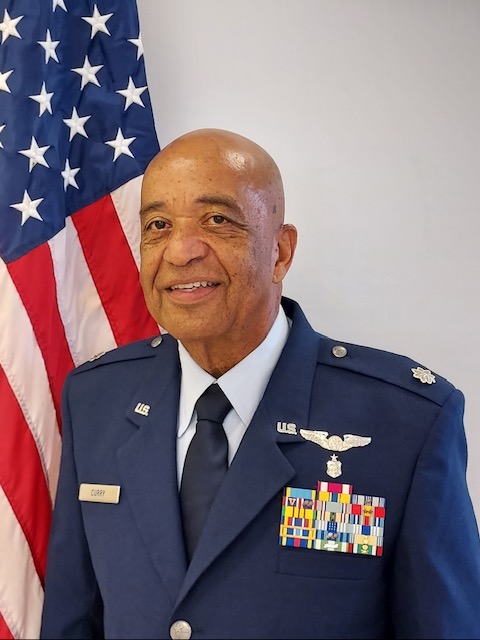
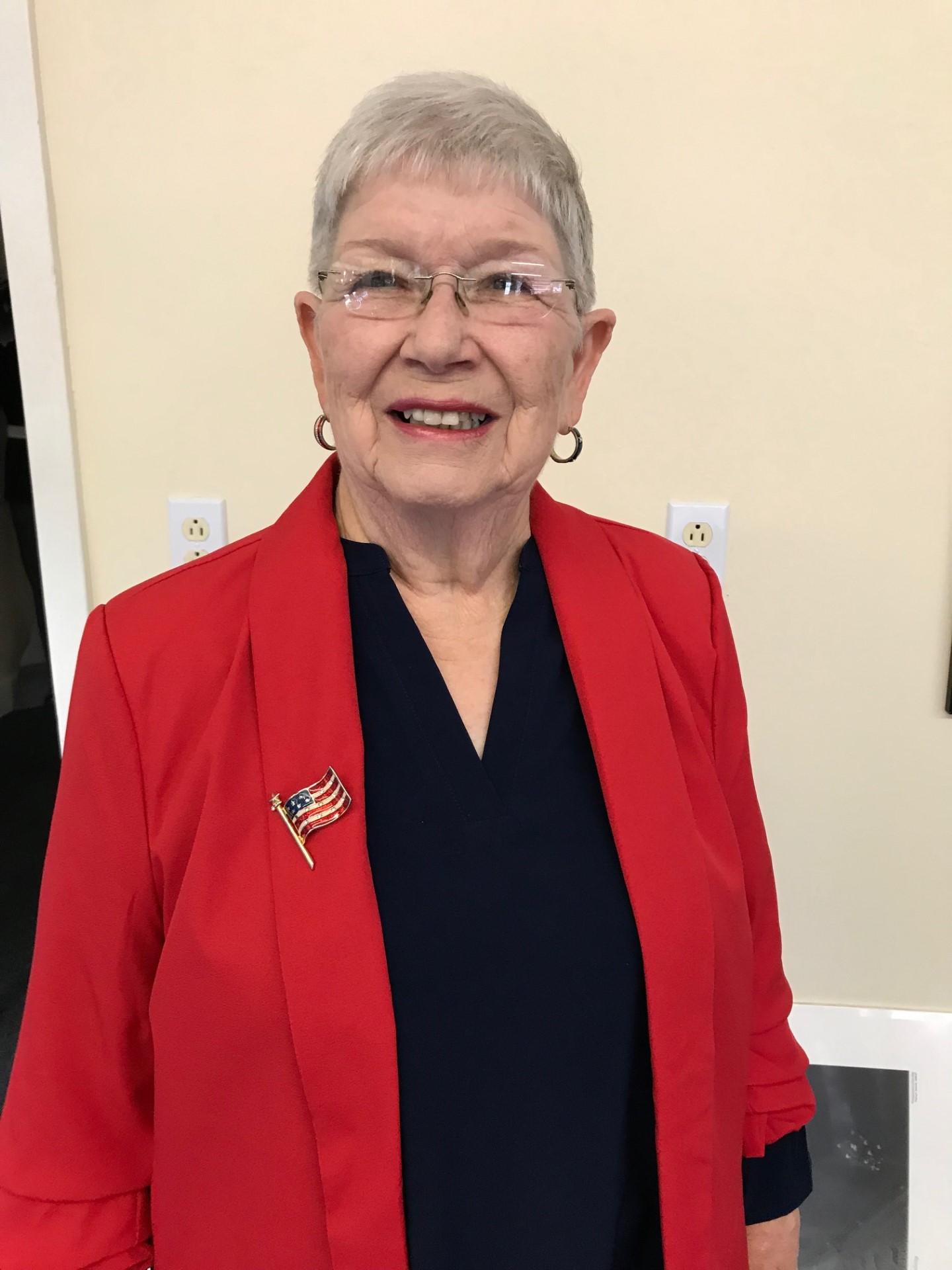
    * Thursday, Nov. 9: Awards ceremony honoring Herman Curry as “Veteran of the Year” and Lillie DeShields as “Patriot of the Year.” Curry is a retired Air Force colonel and commander of the Natchez High School JROTC; DeShields is a long-time supporter of veterans.

    Herman Curry

    Lillie DeShields

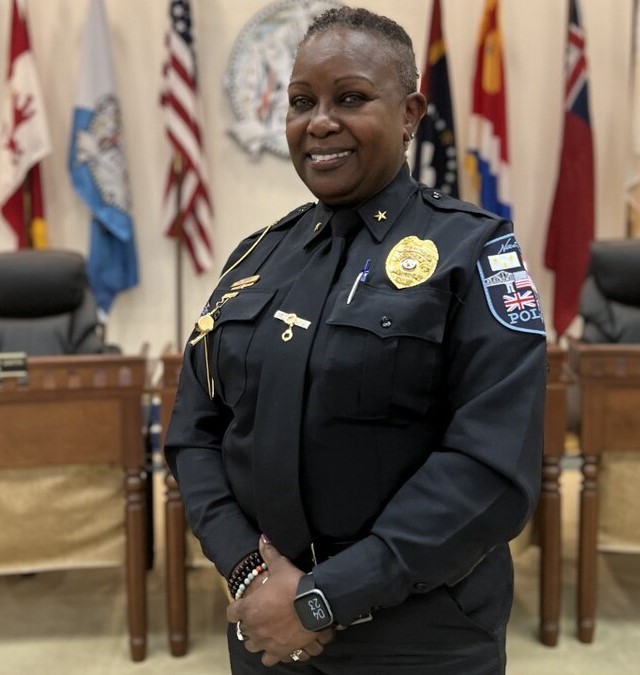
    * Thursday, Nov. 9: Patriotic Parade at 5 p.m. starting at Main Street near Memorial Park. Natchez Police Chief Cal Green, a veteran, will serve as Parade Marshal.

    * Saturday, Nov. 11: American Flag Retirement Ceremony at 10 a.m. at the VFW Post 9573, Duncan Park (the old Canteen).

    * Sunday, Nov. 12: Grand Opening  and Open House for the Miss-Lou Military Museum and Veterans Welcome Center at 107 Jefferson Davis Blvd.

    LaFrancis said the public is invited to visit the museum for the Open House and during the week. The museum will be open from 9 a.m. to 12:30 p.m. Monday through Friday. Other hours can be arranged by calling for an appointment. He asks everyone to “remember to fly your flag and thank a veteran.”

    These events are organized by the Home with Heroes Foundation, Natchez Mayor’s Veterans Task Force, veterans’ organizations, and Scouts, according to LaFrancis. For more information, call G. Mark LaFrancis at 601-442-0980.

  • Denise Jackson Ford attends Emmy Awards ceremony following nomination of ‘American Reckoning,’ the film about her father’s unsolved murder.

    Denise Jackson Ford attends Emmy Awards ceremony following nomination of ‘American Reckoning,’ the film about her father’s unsolved murder.

    NATCHEZ, Miss. — Denise Jackson Ford, daughter of slain civil rights leader, Wharlest Jackson Sr., recently travelled to New York to participate in the 44th Annual News & Documentary Emmy Awards ceremony for documentaries that included PBS Frontline’s “American Reckoning.”

    The PBS program, which featured the story of Wharlest Jackson’s murder, aired on Tuesday, Feb. 15, 2022. It did not win an Emmy, but Ford said she was happy that it was nominated, and her participation was a good experience.

    “Back in July of 2023, notifications were received from Brad Lichtenstein, president and producer of 371 Productions that our documentary film, ‘American Reckoning’ had been nominated for a News and Documentary Emmy in the category of ‘Outstanding Historical Documentary,’ Ford said.

    “I had the privilege to accompany the team in New York on September 28 to be amongst the crowd of highly performed documentarians, finalists, and writers as well as producers.”

    The awards ceremony was held at the Palladium Times Square in New York City. HBO Max’s “Hostages” won the Emmy in the “Outstanding Historical Documentary” category. Others in the running were CNN’s “Watergate: Blueprint for a Scandal,” Netflix’s “Meltdown: Three Mile Island,” and PBS’ “Waterman – Duke: Ambassador of Aloha.”

    Ford said it was an honor to know that they made it to the nomination list for “such a great, prestigious award.” “I commend Brad Lichtenstein and Yoruba Richen, Stanley Nelson, along with the PBS Production team for the work, time and efforts put into this documentary to make history for our family,” Ford said.

    “American Reckoning” was directed by Lichtenstein and Richen. The film is a feature-length documentary that tells the story of Wharlest Jackson Sr. and his murder in the Feb. 27, 1967, bombing of his truck by the Ku Klux Klan on Minor Street in Natchez. Jackson was the treasurer for the Natchez Branch of the NAACP. The Klan killed him, reportedly, because of his promotion to a job at Armstrong Tire and Rubber Company that had traditionally gone to white employees.

    After multiple investigations, no one was ever held accountable for Jackson’s murder. The film presents new research as it chronicles the lives of Jackson’s family in their search for justice and for answers.

    As noted by Frontline, “American Reckoning” presents “an extraordinary look at the civil rights era – the violence and resistance – through rare footage filmed more than 50-years ago in Natchez, Mississippi, and the still-unresolved killing of local NAACP leader Wharlest Jackson.”

    The film, Frontline notes, “examines Black opposition to racist violence in Mississippi, spotlighting a little-known armed resistance group called the Deacons for Defense and Justice, woven alongside the Jackson family’s decades-long search for justice amid the ongoing federal effort to investigate civil rights era cold cases.”

    In addition to Ford and her brother, Wharlest Jackson Jr., the film features Ser Seshsh Ab Heter-Clifford M. Boxley, and Stanley Nelson, author of two books on the Klan. “American Reckoning” can be viewed for free online.

    The Emmy awards program honors programming content from over 2,300 submissions that originally premiered in calendar-year 2022, according to the program’s website. It noted the submissions are “judged by a pool of over 1,000 peer professionals from across the television and streaming/digital media news and documentary industry.”

  • Rev. James Lee Stokes remembered as hero of civil rights movement

    Rev. James Lee Stokes remembered as hero of civil rights movement

    NATCHEZ, Miss. — The Rev. James Lee Stokes will be remembered for his  leadership and the sacrifices he made in the struggle for freedom and justice during the civil rights movement of the 1960s, according to the people who knew him.

    He will also be remembered as an armed protector of the Black community and the much-quoted spokesman for the Natchez Deacons for Defense and Justice. The Deacons were a paramilitary organization that provided armed protection for civil rights workers and the Black community.

    “James Stokes done gone, but his human rights work lives on,” said his longtime friend, Ser Seshsh Ab Heter-Clifford M. Boxley. He described Stokes as a “Natchez Mississippi modern civil rights movement hero.”

    Stokes died on Thursday, Sept. 21, at the age of 95. His funeral was held Tuesday, Oct. 2, at Zion Hill Baptist Church #1.

    Stokes was born in 1928 to parents who were share-croppers on a plantation near Natchez. He served in the U.S. Army and later graduated from Natchez College, according to his obituary. In addition to working for many years as a car salesman, he served as an active member of the NAACP. During the civil rights movement, he reportedly ran a gas station. He also became a deacon and associate minister at Zion Hill.

    Courtny Smith, granddaughter of Stokes, said he was “a very loving and caring person that loved all of his family dearly.” As he grew older, he became more of a comedian, she said, noting he always had a good story to tell.

    “He was a man of God,” Smith said. “He wanted everyone to know the word of God and to hear about how good God has been to him and how much of a blessing it is to be here at 95.”

    Smith said her grandfather will be remembered by all the things he has done in this community as a minister, NAACP activist, and as a veteran. “He will forever be remembered and missed daily,” she said.

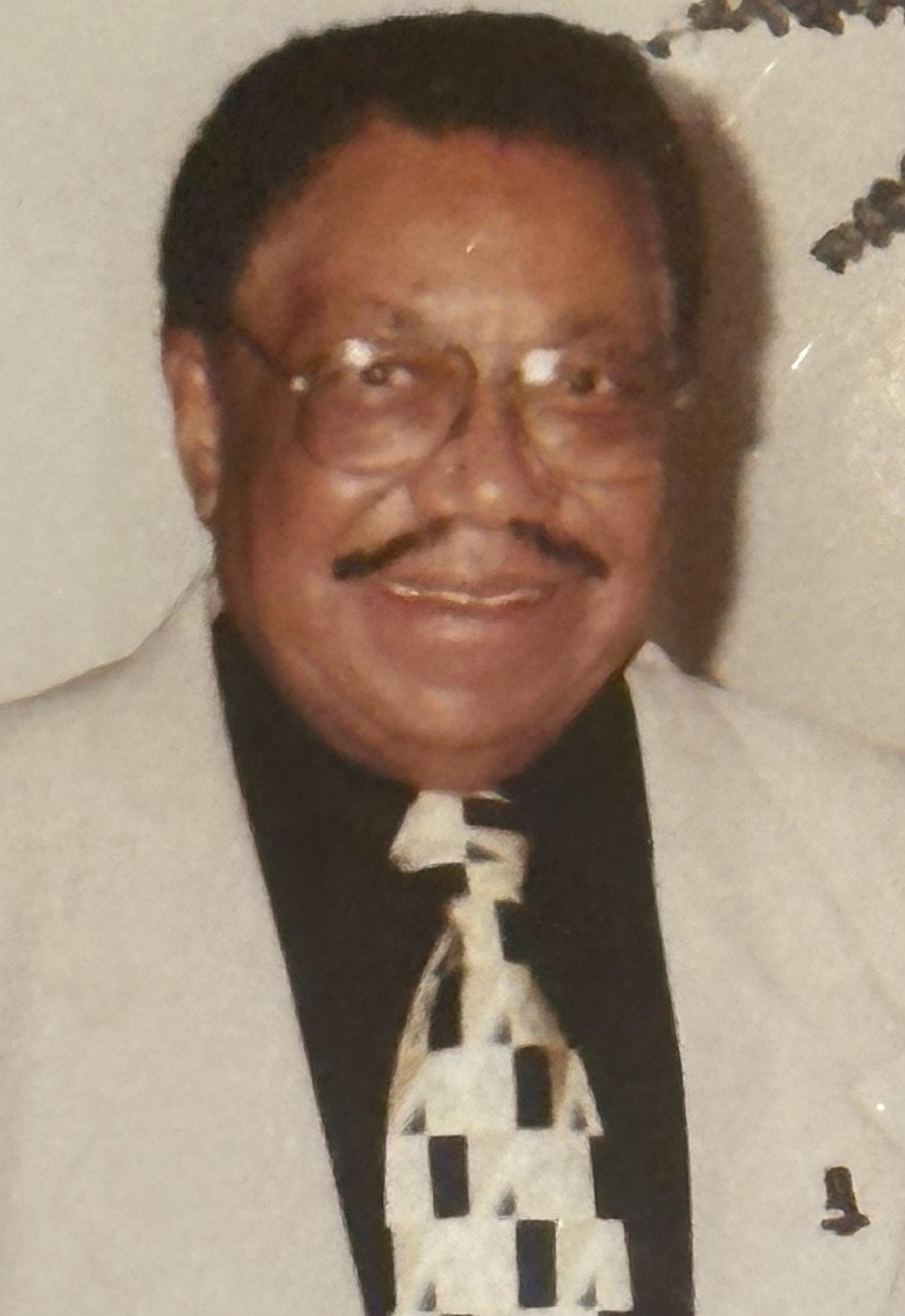
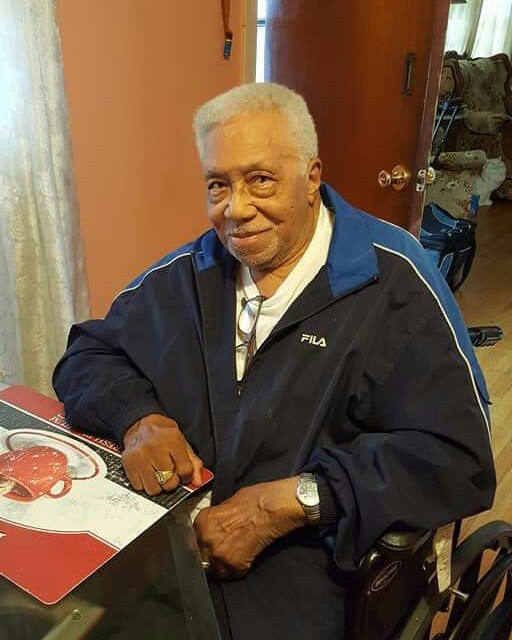
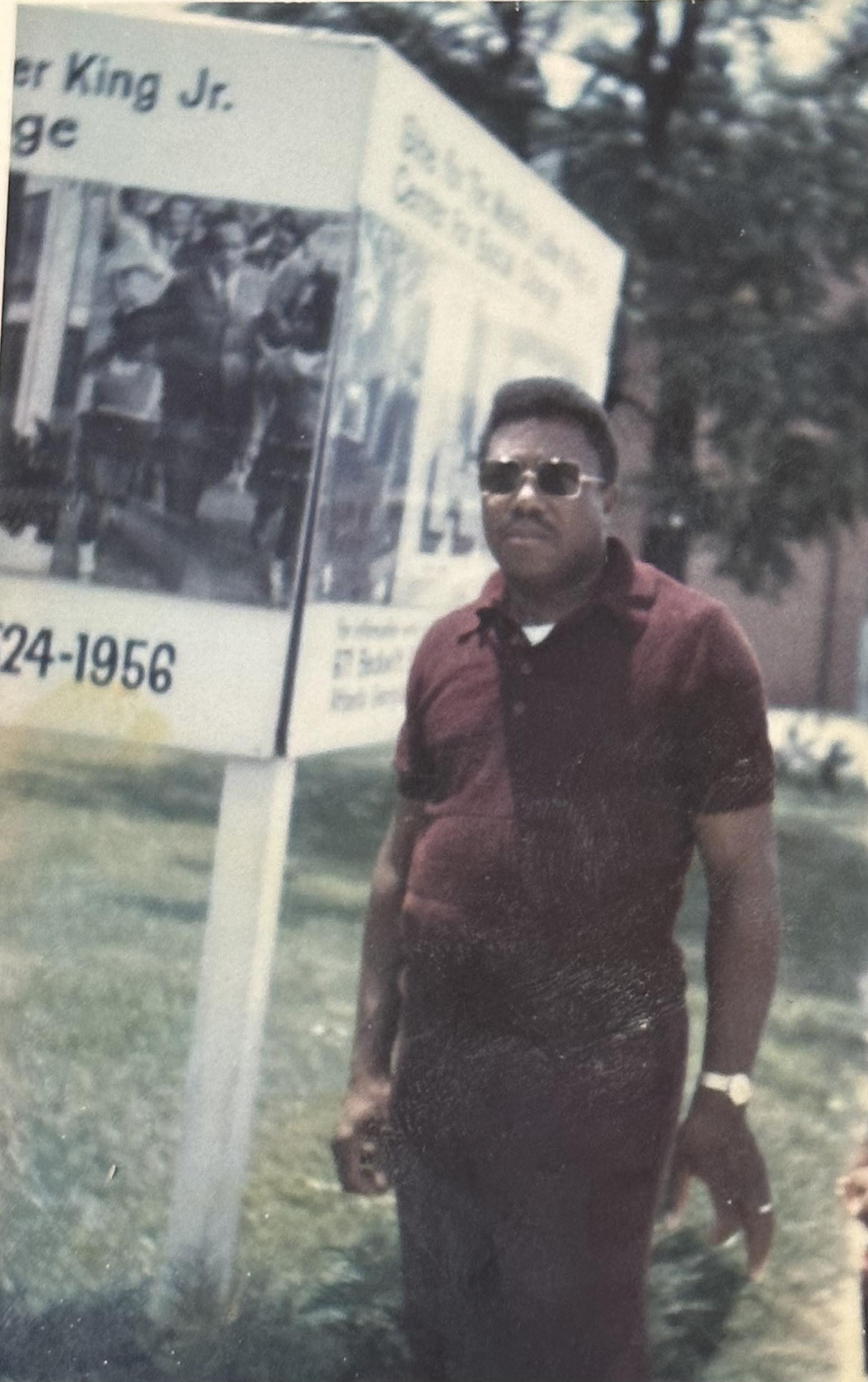
    James Lee Stokes (1928 to 2023) was an Army veteran, a businessman, deacon, minister, and spokesman for the Natchez Deacons for Defense and Justice during the civil rights movement of the 1960s. Photo courtesy of Courtny Smith, Stokes’ granddaughter

    Pillar in the community

    William Terrell,  publisher of The Bluff City Post, said Stokes was a great friend, a family man, and a fearless leader in the civil rights movement.

    “I have known Mr. James Stokes for most of my life,” Terrell said. “He was a friend of my late sisters and brothers-in-law. They traveled in the same circles during those early days, and I had a chance to also develop a relationship with him.

    “Mr. Stokes was a bold advocate for civil rights, and he was not afraid to speak out about the injustices that were so prevalent during those times. His journey led him to become a member of the Deacons for Defense. In addition, he was also a minister who voiced his concerns for justice.”

    Terrell said Stokes would often come by the Bluff City Post just to talk and make his views known. “We have lost a trailblazer, one who taught us that determination is better than fear,” Terrell said.

    According to Bobby Dennis, director of the Natchez Museum of African American History and Culture, Stokes was a man with a good reputation and a strong community leader. “He was one of our community’s less talked-about leaders during the civil  Rights Era as well as a pillar of the Woodlawn District,” Dennis said.

    Denise Jackson Ford, daughter of slain Natchez civil rights leader, Wharlest Jackson Sr., described Stokes as a “gentle giant” who was involved in the safety of many Blacks who fought for the rights to vote.

    “He didn’t mind speaking his voice or standing up for others,” Ford said. “Reverend Stokes will be truly missed. There was already a void due to his absence from his church and community.”

    Recognized by scholars

    As the official spokesperson for the Natchez Deacons, Stokes was often quoted and featured in articles and books about Mississippi history.

    Dr. Lance Hill featured him in his book, “The Deacons for Defense: Armed Resistance and the Civil Rights Movement” (UNC Press, 2004).

    “Stokes was a natural choice as a spokesperson for the Deacons,” Hill wrote. “A well-spoken, articulate man with a flair for the dramatic, he had honed his leadership abilities as a church deacon and choir director and union steward, and he had traveled extensively around the world in the army’s entertainment unit from 1953 to 1955.”

    Hill noted that in 1965, the same year the Natchez Deacons officially organized, Stokes established a chapter of the Deacons in Woodville. This chapter, Hill wrote, went on to recruit about 40 members from Woodville, Centreville, and rural areas in Wilkinson County.

    James Lee Stokes (1928 to 2023) was an Army veteran, a businessman, deacon, minister, and spokesman for the Natchez Deacons for Defense and Justice during the civil rights movement of the 1960s. Photo courtesy of Courtny Smith, Stokes’ granddaughter

    Stokes also appears in Richard Grant’s book, “The Deepest South of All: True Stories from Natchez, Mississippi” (Simon & Schuster, 2020).

    When Natchez teetered on the brink of a race war following the bombing of George Metcalfe’s car by the Ku Klux Klan in August 1965, Stokes found himself in “the thick of things,” wrote Grant. He said that Stokes was “trying to stop white motorists from getting hurt and trying to keep the white police from attacking the rioters.”

    The civil rights movement in Natchez became the most successful movement in Mississippi, and the Deacons played a significant role in that success, according to historians.

    Years after the movement, people in the black community held “vivid and powerful” memories of the civil rights era, including the contributions of the Deacons, noted Grant. “James Stokes, and the other surviving Deacons, were often approached in public and thanked for their courage and achievements,” he wrote.

    When Grant learned of Stokes’ passing, he shared these words: “It was my honor to meet him. May he now rest in peace.”

    Stanley Nelson, author of “Devils Walking: Klan Murders Along the Mississippi River in the 1960s” (LSU Press, 2016), commented on Stokes’ work as a Natchez Deacon. He explained that Stokes and the other Deacons were committed and ready to do what was necessary for their cause.

    “Men like James Stokes through their work with the Deacons provided protection and support to many communities by making sure marchers, activists and ordinary citizens were protected from harm in the quest for equal rights,” Nelson said. “The Deacons’ mission was to protect and not to attack, but if the Klan wanted a fight, Deacons like Mr. Stokes were always ready to battle.”

  • Stanley Nelson’s talk on Ben Chester White draws record crowd

    Stanley Nelson’s talk on Ben Chester White draws record crowd

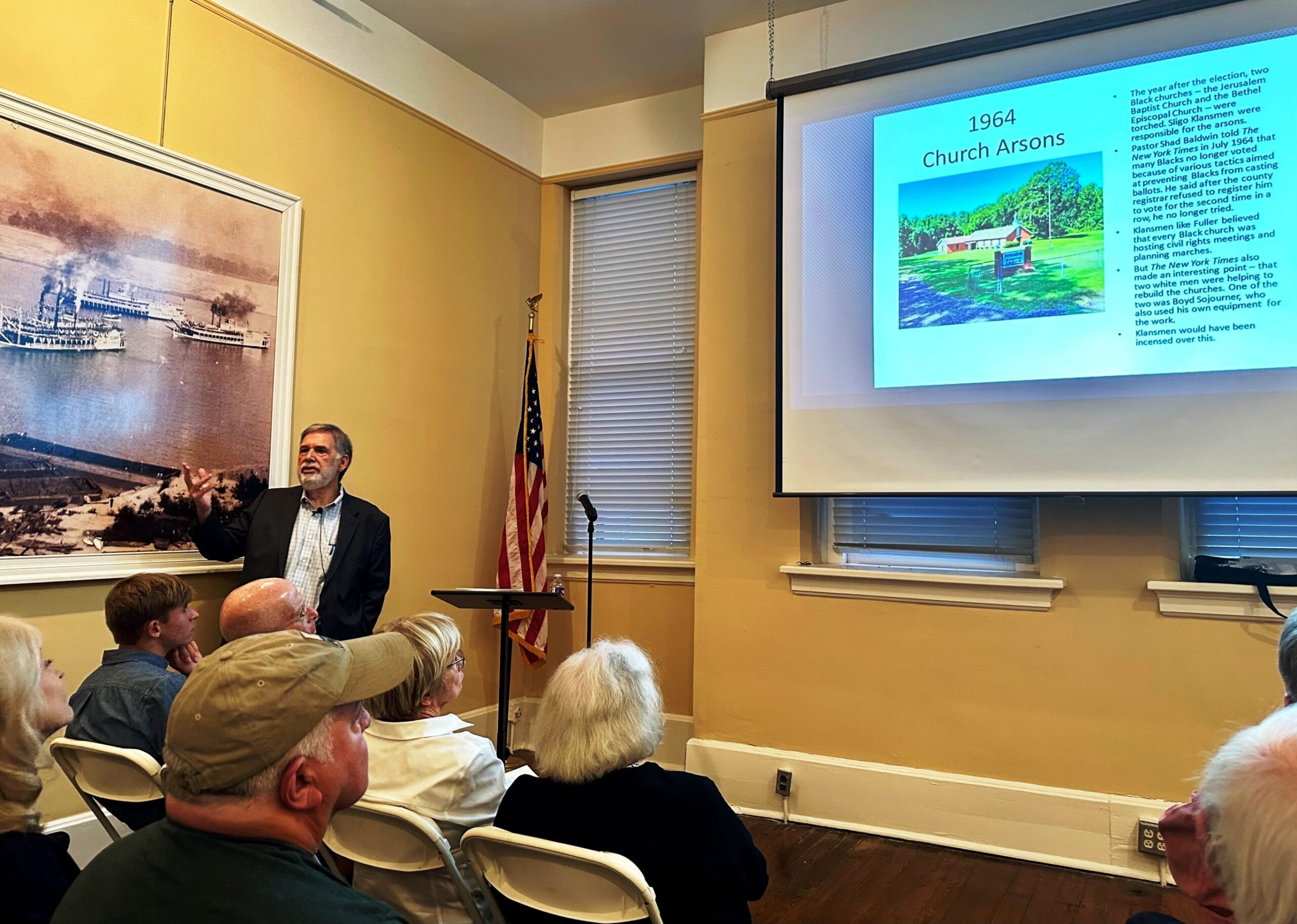
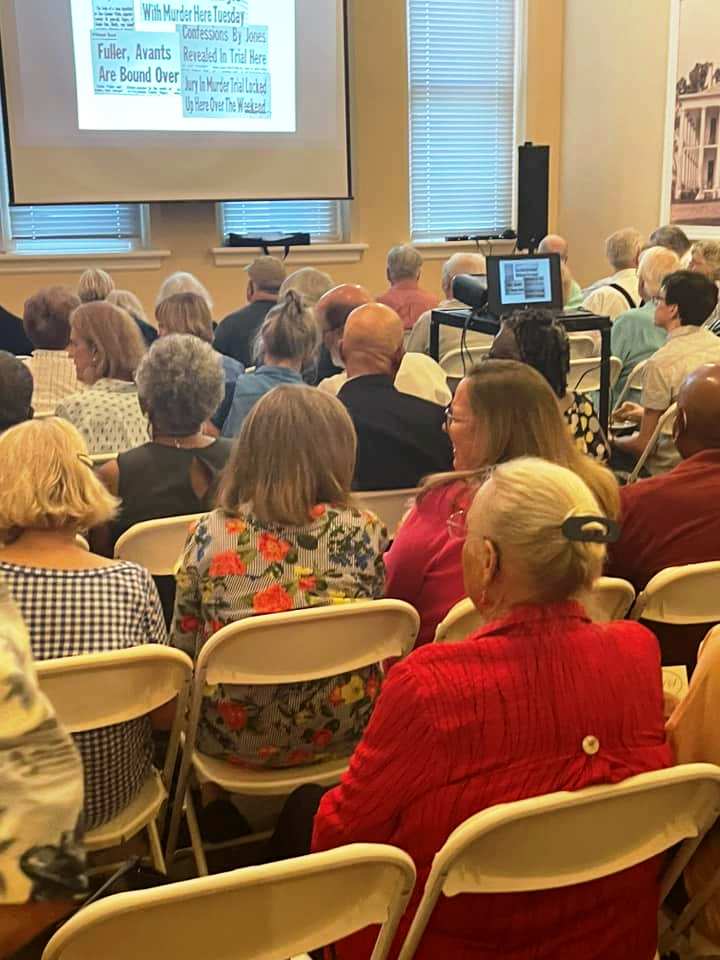
    NATCHEZ, Miss. — Stanley Nelson’s talk on the 1966 murder of Ben Chester White drew 120 people to the Sept. 26 meeting of the Natchez Historical Society at the Historic Natchez Foundation, according to people who attended the event.

    The attendance set a record for the society, which averages 50 people at the monthly meetings, according to Alan Wolf, a director of the society and its program chair.

    However, the recent meeting with Nelson rivals the society’s annual dinner in January that set a record with more than 100 attendees, Wolf said.

    “It was electric,” Wolf said. “There were so many new faces, and we were on the edges of our seats.”

    Jeff Mansell, lead historian of the Natchez National Historical Park, agreed. “This is as good as it gets,” he said. “We had a great attendance, and people were deeply moved by the presentation.”

    “The NHS meeting Tuesday night was a huge success,” said Linda Ogden, society board member. “The audience was indeed large and diverse.”

    Society board member Adam Gwin said the gathering says a lot about the community: “I think it says a great deal for a community that wants to look at its past and face it honestly.”

    The presentation

    Nelson’s presentation was titled, “Murder on Pretty Creek: New Revelations on an Old Case.” It focused on White, the 67-year-old Black man who was executed in 1966 by members of the Klan. White lived in a small community known as Sandy Creek, where his house still stands to this day.

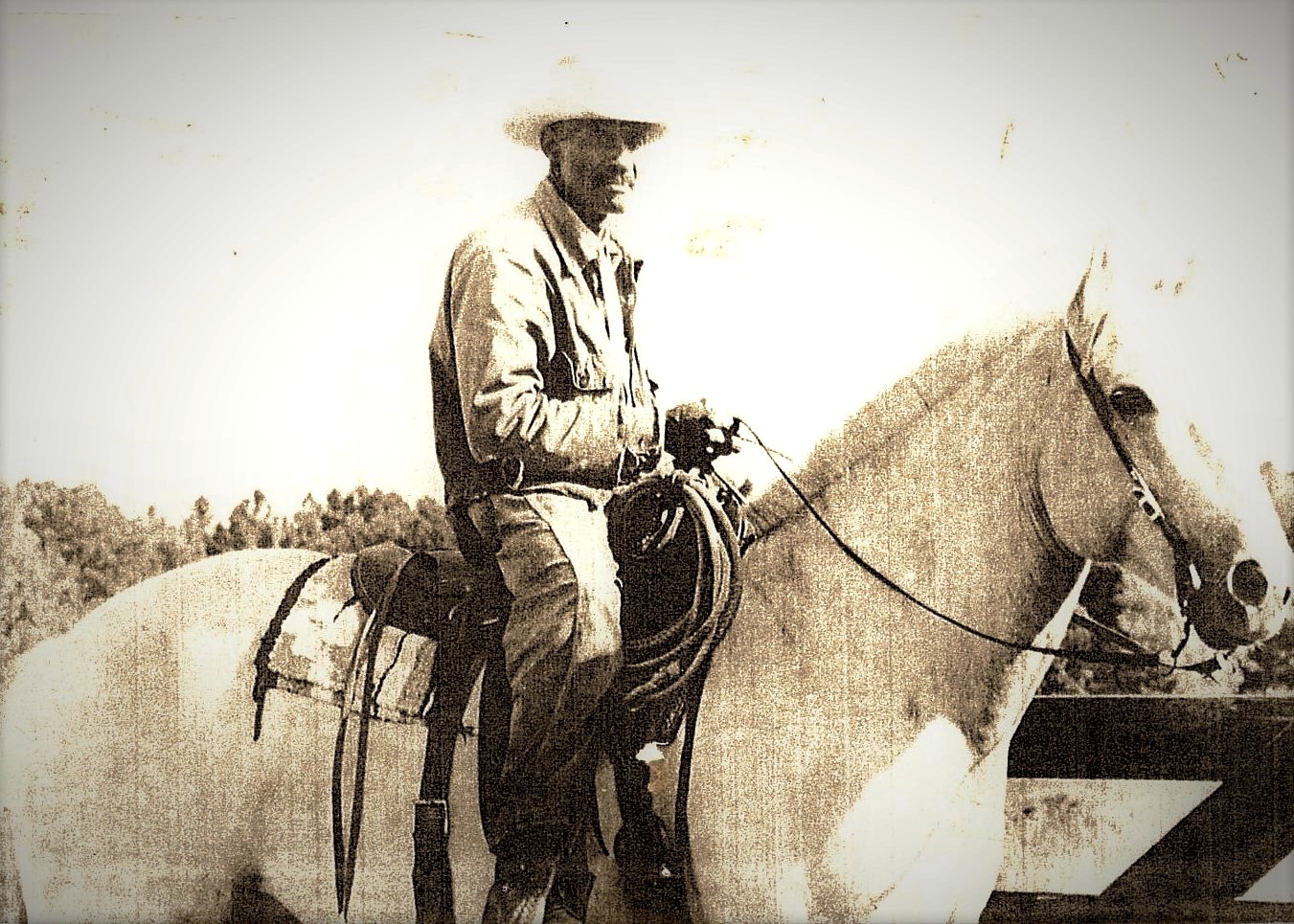
    Ben Chester White
    (1899 – 1966)

    Nelson talked about White’s alleged killers, two of whom, Ernest Avants and James Lloyd Jones, were charged but not convicted in 1967; and a third one, Claude Fuller, who was never brought to trial. Avants was convicted decades later in federal court and died in prison a short time after his conviction.

    During his talk, Nelson focused on the Klan activities in the Kingston community. He also discussed the personal life history of White and his friends. Nelson said White was only five feet tall and weighed 155 pounds. He was known as a “soft spoken gentleman” who was not involved with political or civil rights activism.

    Nelson spoke about Jimmy Carter and Boyd Sojourner, both of whom became Adams County Supervisors. Both had also worked cattle together with White, and they knew each other all their lives, Nelson said. Carter owned the farm where White had lived and worked.

    Nelson zeroed in on the planning of the murder and how it went down. He showed, among other things, that the Klan made two attempts on White’s life.

    One of White’s murderers said they killed him in order to lure Dr. Martin Luther King Jr. to Natchez to be assassinated. Nelson believes the killing was a “local action” and said he found no evidence connecting the murder to higher ranks of the White Knights of the Klan.

    Nelson said a longer version of his presentation will be posted on Louisiana State University’s website (lsucoldcaseproject.com).

    Nelson is the former editor of the Concordia Sentinel in Ferriday, La. He is also the author of “Devils Walking: Klan Murders Along the Mississippi River in the 1960s (LSU Press, 2016) and “Klans of Devils: The Murder of a black Louisiana Deputy Sheriff” (LSU, 2021).

    The audience

    Nelson said he was happy to share his research on the White’s murder and quite pleased to have a large and diverse audience.

    Stanley Nelson’s presentation on Ben Chester White drew 120 people to the Sept. 26 meeting of the Natchez Historical Society at the Historic Natchez Foundation.
    (Photo courtesy of Jane Gardner)

    “It was really good to see people so interested in our history and want to know about that terrible thing that happened to Ben Chester White,” Nelson said. He noted the audience was “very attentive” and asked “great questions.”

    Nelson said relatives of White also attended the meeting, as did Denise Jackson Ford, daughter of slain Natchez civil rights leader Wharlest Jackson Sr.

    “It was just a really great mixture of age groups and great turnout,” Nelson said. “I was glad to see good African American representation there Tuesday night. Hopefully they will become part of the work being done by the Natchez Historical Society.”

    The audience included a white couple of some years who were farming near the area where the murder took place, according to Wolf. He added, “They knew Chester White. To him, he was Mr. Ches. They came and were very touched. They were shocked at the time of the murder.”

    Wolf said the meeting amounted to a memorial service to Chester White. The room was packed, he said, noting the meeting was a big deal in exposing the horror of the Ben Chester White case.

    “There was some belated justice done for Mr. White simply by the telling of his story,” Wolf said.

    “Our audience doesn’t shy away from the difficult topic of race,” he continued. “To the contrary, there may be a deep-seated desire to talk about it, and as long we have people like Stanley Nelson, who is profound and sympathetic, without being shrill and demagogic, we can have a good discussion.”

    Wolf and others said the Sept. 26 meeting will be hard to top. “We can equal this in future programs, but in terms of gravitas, we will never exceed it,” Wolf said.

  • Natchez Historical Society awarded $2,400 grant by Mississippi Humanities Council

    Natchez Historical Society awarded $2,400 grant by Mississippi Humanities Council

    NATCHEZ, Miss. – Mississippi Humanities Council recently awarded a $2,400 grant to the Natchez Historical Society in support of the society’s monthly speakers’ program.

    Specifically, the funding will cover the speakers’ honoraria of $2,400, said Alan Wolf, who serves as a director of the society and chair of its program committee. Wolf said that the society’s board of directors is all grateful to the council for the grant.

    “It’s an endorsement of the importance and value to civic life of the NHS’s programing about Natchez’s history,” Wolf said. “The idea is that by understanding the circumstances, people, and issues of our past we can better address the challenges and opportunities of the present.”

    In other words, he added, “the award recognizes the NHS’s seriousness of civic purpose.” Wolf said the recent grant application was the first one submitted to the council.

    “The Mississippi Humanities Council is excited to support the Natchez Historical Society’s outstanding programming,” said Dr. Stuart Rockoff, executive director of the council. “This year’s series offers speakers on a diverse array of topics that explore the richness and complexity of Natchez history.”

    The society was organized in 1954 to collect and disseminate historical material about Natchez and Adams County. The nonprofit is dedicated to the historical study of Natchez and the surrounding area.

    “The local history spans an exceptionally long timeline from the Grand Village of the Natchez Indians to the present day city atop the high bluffs of the Father of Waters, the mighty Mississippi River,” the society notes on its website. “The contributions of Native Americans, African-Americans, and European settlers, have combined to form a rich local tapestry important to the understanding of the larger regional and national historical record.”

    The society meets twice a month at the Historic Natchez Foundation. A formal meeting of its board of directors is held on the second Monday; on the fourth Tuesday, a public forum is held where recognized experts and historians give lectures and lead discussions on diverse topics related to Natchez’s history.

    Since the creation of the program, speakers have included authors, university professors, independent scholars, community leaders, and elected officials.

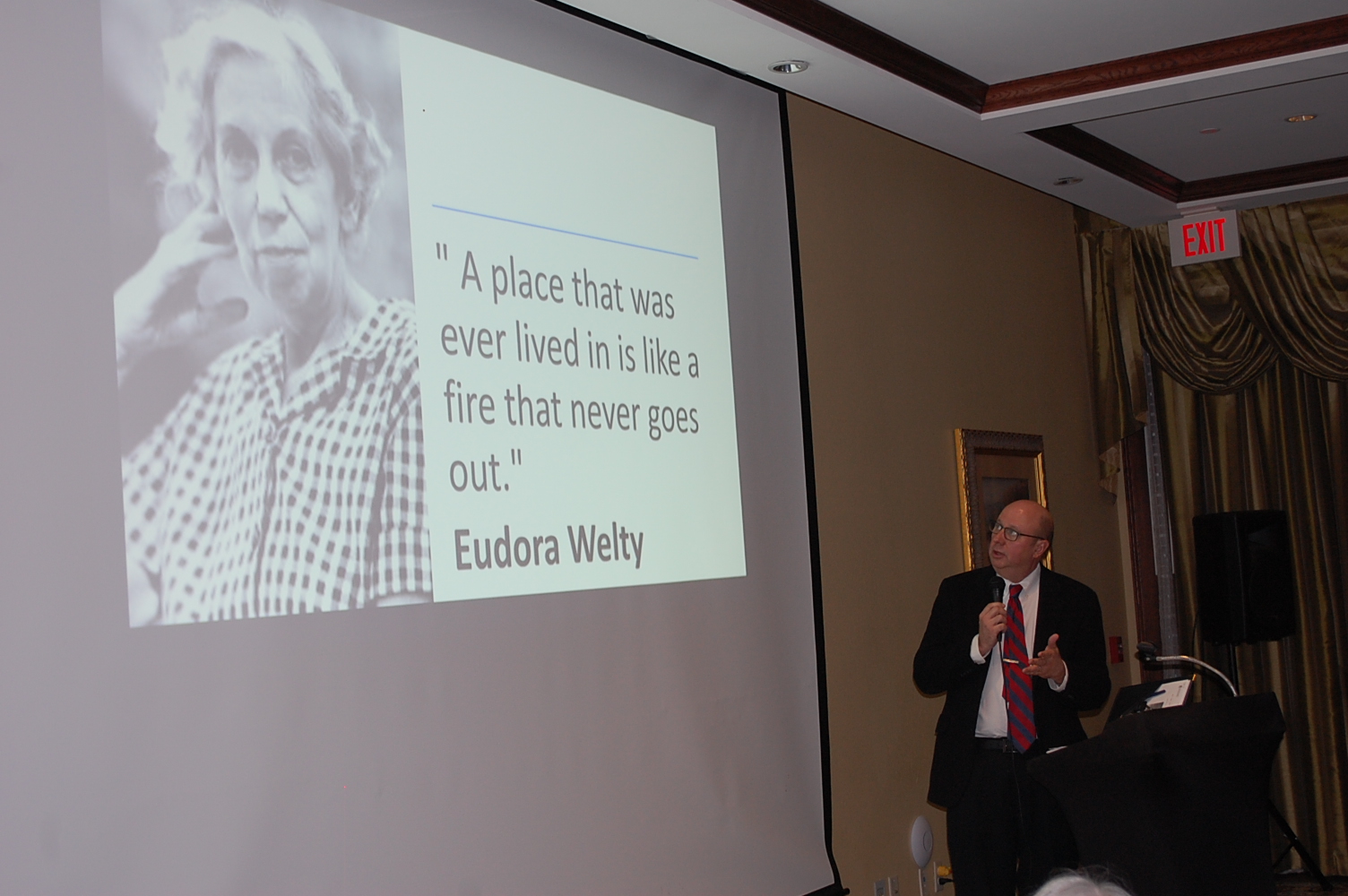
    Jessica Fleming Crawford, southeast regional director for The Archaeological Conservancy, spoke at the May 23 meeting of the Natchez Historical Society. She talked about an archeological site related to the “Natchez Massacre” and chattel slavery in Natchez.

    The society also hosts an annual dinner in January that includes a speaker and presentation of its Historic Preservation Award. The award honors individuals or organizations who have made a significant contribution to historic preservation or the study of history within the Natchez area.