Category: COVID-19

  • At least 7 Louisiana nursing homes now dealing with virus

    BATON ROUGE, La. (AP) — Louisiana, New York and Georgia lead the nation in the number of nursing homes with coronavirus cases, a federal report shows.

    There are at least seven homes in each of the three states where confirmed or suspected coronavirus cases have been detected, according to Sunday’s report from the Federal Emergency Management Agency.

    Current or suspected cases of COVID-19 have been found in at least four nursing homes in each of three other states: Washington, Illinois and New Jersey.

    This coronavirus causes only minor flu-like symptoms in most people, who recover in a matter of weeks. But it is highly contagious and can cause severe illness or death in higher numbers among the elderly and people with underlying health problems.

    The FEMA report breaks out the total number of nursing homes and skilled nursing facilities dealing with the virus.

    In a separate category tracking assisted living facilities, the report shows that Washington state and New Jersey have some of the highest numbers of confirmed or suspected cases in those types of facilities.

    In Louisiana, Gov. John Bel Edwards ordered all 4.6 million residents to voluntarily stay at home starting at 5 p.m. on Monday unless they’re performing an essential task like getting food or medicine.

    First-responders and workers in grocery stores, pharmacies, doctors’ offices and other critical infrastructure are exempt from his directive, which will remain in effect until April 12, and could be extended beyond that.

  • What You Need To Know Today About The Virus Outbreak

    What You Need To Know Today About The Virus Outbreak

    A surge in infections has caused a critical shortage of medical supplies in many places. The hunt for ventilators and other critical items is consuming Europe and the U.S. Deaths around the world passed the 15,000 mark Monday.

    Meanwhile, China is slamming the U.S. for “scapegoating” over the virus, the Tokyo Olympics is considering postponing the event to 2021 and lawmakers in the U.S. are negotiating a nearly $2 trillion economic rescue package.

    Here are some of AP’s top stories Monday on the world’s coronavirus pandemic. Follow APNews.com/VirusOutbreak for updates through the day and APNews.com/UnderstandingtheOutbreak for stories explaining some of its complexities.

    WHAT’S HAPPENING TODAY:

    —The coronavirus has arrived in the Gaza Strip and Syria, raising fears that the pandemic may now prey on some of the most vulnerable populations in the world.

    —Those defying social distancing and lockdown restrictions from France to Florida to carry on as normal are coming under fire. One French minister was furious: “Some consider they’re little heroes when they break the rules. Well, no. You’re an imbecile, and especially a threat to yourself.”

    —Grieving has become even more upsetting for families in the time of coronavirus. An untold number of burials around the globe now go forward with nothing more than a cleric, a funeral home employee and a single loved one. Others receive what would have once been called pauper’s funerals, buried in the clothes they died in.

    —Most American presidents will confront a crisis — or crises — whether it’s a natural disaster, war, economic downturn, public health threat or terrorism. Here’s a look at how they fared.

    WHAT YOU NEED TO KNOW:

    For most people, the virus causes only mild or moderate symptoms, such as fever and cough. For some, especially older adults and people with existing health problems, it can cause more severe illness, including pneumonia. The vast majority of people recover.

    Here are the symptoms of the virus compared with the common flu.

    One of the best ways to prevent spread of the virus is washing your hands with soap and water. The U.S. Centers for Disease Control and Prevention recommends first washing with warm or cold water and then lathering soap for 20 seconds to get it on the backs of hands, between fingers and under fingernails before rinsing off.

    You should wash your phone, too. Here’s how.

    Misinformation overload: How to separate fact from fiction and rumor from deliberate efforts to mislead.

    ___

    ONE NUMBER:

    $300 BILLION: In a series of sweeping steps, the Fed will lend to small and large businesses and local governments as well as extend its bond-buying programs. It’s all part of the Fed’s ongoing efforts to support the flow of credit through an economy ravaged by the viral outbreak.

    ___

    IN OTHER NEWS:

    AP’S MARCH MADNESS: The virus may have canceled March Madness, but the AP is counting down the top 10 men’s basketball games in the history of the NCAA Tournament. We’re counting them down through April 5, along with a host of memorable moments through the eyes of players who were there.

    ___

    The Associated Press receives support for health and science coverage from the Howard Hughes Medical Institute’s Department of Science Education. The AP is solely responsible for all content.

    ___

    Follow AP coverage of the virus outbreak at https://apnews.com/VirusOutbreak and https://apnews.com/UnderstandingtheOutbreak

  • Over 1.5 Billion Globally Asked To Stay Home To Escape Virus

    Over 1.5 Billion Globally Asked To Stay Home To Escape Virus

    PARIS (AP) — The hunt for masks, ventilators and other medical supplies consumed the U.S. and Europe, as more than 1.5 billion people — one-fifth of the world’s population — were asked or ordered to stay home on Monday to try to blunt the spread of the coronavirus.

    Political paralysis stalled efforts for a quick aid package from Congress, and U.S. stocks fell at the opening bell even after the Federal Reserve said it will buy as much government debt as necessary and lend to small and large businesses and local governments to help them cope with the economic damage from the outbreak.

    In New York, where a near-lockdown took effect statewide over the weekend amid fears the city could become one of the world’s biggest hot spots, the mayor warned that hospitals are 10 days away from shortages in “really basic supplies” needed to protect health care workers and patients alike.

    “If we don’t get the equipment, we’re literally going to lose lives,” Mayor Bill de Blasio told CNN.

    The risk to doctors, nurses and others on the front lines has become plain: Italy has seen at least 18 doctors with coronavirus die. Spain reported that more than 3,900 health care workers have become infected, accounting for roughly 12% of the country’s total cases.

    British health workers pleaded for more gear, saying they felt like “cannon fodder.” In France, doctors scrounged masks from construction workers, factory floors, an architect.

    “There’s a wild race to get surgical masks,” François Blanchecott, a biologist on the front lines of testing, told France Inter radio. “We’re asking mayors’ offices, industries, any enterprises that might have a store of masks.”

    Health care workers say they are being asked to reuse and ration disposable masks and gloves. A shortage of ventilators, crucial for treating serious COVID-19 cases, has also become critical, as has a lack of test kits to comply with the World Health Organization’s exhortations to test as many people as possible.

    With the crisis easing in China, where it began late last year, only the area around the city of Wuhan was still considered high-risk, with people asked to stay inside.

    In the United States, a fierce political battle over ventilators has emerged, especially after President Donald Trump told state governors that they should find their own medical equipment if they think they can get it faster than the U.S. government. Alaska is expected to run out of money imminently to pay doctors, hospitals and clinics who treat Medicaid patients.

    China has been the one nation to counter this trend, sending planeloads of equipment like masks, gloves and protective gear as well as doctors to countries across Europe, including hard-hit Italy, France and Spain as well as places with weaker medical systems like Bulgaria, Greece and Serbia.

    “The U.S. is completely wasting the precious time that China has won for the world,” said Geng Shuang, the Chinese Foreign Ministry spokesman.

    Dr. Anthony Fauci, the U.S government’s top infectious-disease expert, promised that medical supplies are about to start pouring in and will be “clearly directed to those hot spots that need it most.”

    Meanwhile, efforts for a quick economic relief package from Congress faltered. The U.S. Senate voted against advancing the nearly $2 trillion plan. Democrats argued it was tilted toward corporations rather than workers and health care providers. Another vote was expected Monday.

    The delay shook investors, as has the accumulation of canceled events large and small, the soaring numbers of unemployed and a widespread pullback in spending.

    Worldwide, nearly 350,000 people have been infected and 15,000 have died from the virus. As cases in China ebbed, the dangers to Europe and the U.S. have grown exponentially, although Germany on Monday cautiously reported some flattening of its infection curve.

    After just a few weeks, the U.S. has more than 33,000 cases and more than 400 deaths. New York, California and Illinois have ordered residents to stay home unless they have essential reasons to go out.

    For most people, the new coronavirus causes only mild or moderate symptoms, such as fever or coughing. But for some older adults and people with existing health problems, it can cause more severe illness, including pneumonia. Over 100,000 people have recovered, mostly in China.

    Authorities kept up their push to get people to stay home, but some were clearly not listening.

    Photos showed long lines of parked cars as hundreds walked up the remote mountains of Snowdonia National Park in Wales, which saw “its busiest-ever visitor day” on Saturday.

    British Health Secretary Matt Hancock described those ignoring the government’s social distancing recommendations as “very selfish” and warned that stricter rules might be coming soon.

    “If people go within 2 meters of others who they don’t live with, then they’re helping to spread the virus,” he said. “And the consequences of that costs lives.”

    Italy’s infections continued to spike, hitting 59,000 cases and 5,476 deaths, and India took the extraordinary step of shutting down the country’s rail system, which has long been the lifeblood of the country of 1.3 billion people.The arrival of the global pandemic in Syria as well as the Gaza Strip has raised concerns it could run rampant in some of the most vulnerable areas in the Mideast.

    Two former passengers of the virus-infected Diamond Princess cruise ship died, bringing to 10 the number of deaths from a ship that had over 700 infections and stands as a prime example of how not to contain an outbreak.

    With weddings and other large gatherings banned in many places, an untold number of burials are going forward with nothing more than a minister, a funeral home staffer and one loved one to bear witness.

    Republican Rand Paul of Kentucky became the first U.S. senator to announce he was infected, joining the likes of celebrities like opera superstar Plácido Domingo. German Chancellor Angela Merkel put herself into quarantine after a doctor who gave her a pneumonia vaccine tested positive.

    Japanese Prime Minister Shinzo Abe acknowledged that postponing this year’s Summer Olympics could be unavoidable. Canada and Australia added to the pressure on Olympic organizers by suggesting they wouldn’t send athletes to Tokyo this summer. The International Olympic Committee said it would examine the situation over the next few weeks.

    “If it is difficult to hold in a complete way, a decision of postponement would be unavoidable,” Abe said.

    While other countries struggled to contain the virus, the central Chinese city of Wuhan, where the virus outbreak first emerged, said Monday it is now allowing residents limited movement as its months-long lockdown gradually eases.

    Scientists in London predicted that the pandemic’s death toll could easily top 1 million people in the U.S. alone.

    But Trump suggested that the remedies to fight the pandemic — including worldwide financial pain — may be more harmful than the outbreak itself and vowed to reassess government restrictions after the 15-day mark of the U.S. shutdown.

    “WE CANNOT LET THE CURE BE WORSE THAN THE PROBLEM ITSELF,” he tweeted.

    ___

    Associated Press reporters around the world contributed to this report.

    ___

    The Associated Press receives support for health and science coverage from the Howard Hughes Medical Institute’s Department of Science Education. The AP is solely responsible for all content.

    ___

    Follow AP coverage of the virus outbreak at https://apnews.com/VirusOutbreak and https://apnews.com/UnderstandingtheOutbreak

  • Analysis: Coronavirus Creates Strange Politics In Louisiana

    Analysis: Coronavirus Creates Strange Politics In Louisiana

    BATON ROUGE, La. (AP) — Disasters often make strange bedfellows, but the new coronavirus has thawed some of the frostiest relationships in Louisiana politics — or at least quieted much of the public feuding.

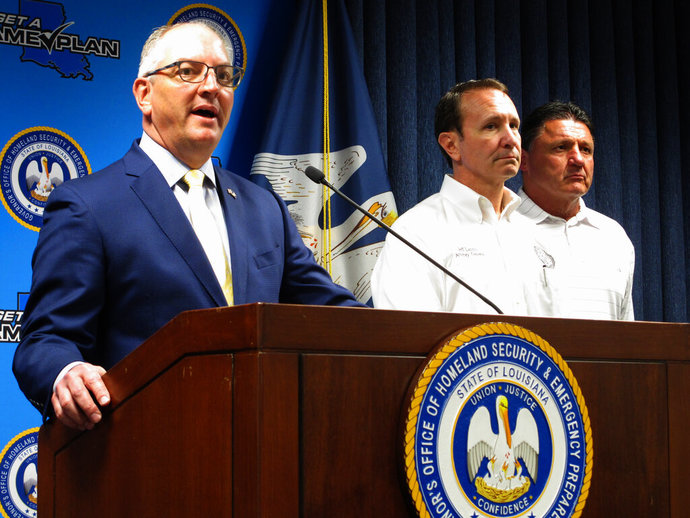
    Democratic Gov. John Bel Edwards and Republican Attorney General Jeff Landry have sparred and traded barbs across the four years they have been in their statewide jobs, fighting over everything from LGBTQ rights and finances to the scope of their legal authority.

    But with the coronavirus disease COVID-19 threatening to overwhelm the state’s health infrastructure, Edwards and Landry stood together last week, with similar messages to Louisiana residents about the need to take the virus seriously and follow aggressive restrictions aimed at keeping most people home.

    “We are united in this goal. The governor and I are standing here shoulder to shoulder, and that’s how serious a problem we face here,” Landry said, in a jaw-dropping moment between political rivals.

    The attorney general, who has often accused Edwards of exceeding his legal authority, this time was defending the governor’s actions as in the best interest of health and safety — and as within the scope of the governor’s authority.

    Edwards has closed K-12 schools, shuttered bars and gyms, banned public events over 50 people and limited restaurants to delivery and takeout until at least mid-April in hopes of keeping more people at home and away from situations that could spread the virus. He’s repeatedly called on people to distance from others where possible.

    Louisiana has one of the nation’s highest rates per capita of confirmed cases of COVID-19, with New Orleans at the epicenter of the state’s outbreak.

    The vast majority of people recover within weeks after catching the virus, and for most people, it causes only mild or moderate symptoms, such as fever and cough. But for older adults and people with existing health problems, it can cause severe illness requiring hospitalization.

    The rapid spread of the coronavirus in Louisiana has put the state’s health infrastructure at risk of being unable to keep up with the surge of cases.

    Landry pushed back against criticism about Edwards’ aggressive restrictions on the state’s residents and businesses.

    “I am certain that the governor is as concerned as I am about the impact such actions have on our citizens and economy,” Landry said. He added: “He is acting with restraint and with consideration to individual liberties and freedoms, and I appreciate that.”

    Edwards thanked his long-time adversary and talked of the two working together in the crisis.

    A united front between two men who have shown little but disdain for each other since 2016 may have been one of the most visible demonstrations of just how grave the public health risks are.

    As if political watchers weren’t shocked enough, Republican U.S. Sen. John Kennedy — who frequently bashes Edwards’ decisions in office — also refused to criticize the governor’s response to the pandemic.

    “I’m not going to second-guess Gov. Edwards. We’re all working together,” Kennedy said in a conference call with reporters about congressional work to respond to the virus outbreak.

    At least one of Louisiana’s highest-ranking elected officials didn’t worry about demonstrating a collaborative response to the epidemic, however.

    Republican U.S. Rep. Clay Higgins posted a video on Facebook saying Edwards has gone too far with the closures of businesses and suggesting the governor is infringing on personal freedoms and constitutional rights. The congressman accused Edwards of sitting “in your ivory tower,” making decisions that could devastate businesses. He questioned if Edwards’ proclamation ordering the closures could be legally enforced.

    “These people that own these businesses, they can make up their own mind. They’re not stupid. You can’t make their decisions for them because you think you know best,” Higgins said.

    Edwards didn’t directly respond to Higgins’ criticism, but he noted he’s following the guidance of public health officials, the Centers for Disease Control and Prevention and the Trump administration.

    “Not a single thing that I have done are things that I would just want to do,” the governor said. “But these things, we believe, are necessary in order to be able to fight this enemy we have.”

    ___

    EDITOR’S NOTE: Melinda Deslatte has covered Louisiana politics for The Associated Press since 2000. Follow her at http://twitter.com/melindadeslatte

    ___

    Follow AP coverage of the virus outbreak at https://apnews.com/VirusOutbreak and https://apnews.com/UnderstandingtheOutbreak.

    ___

    The Associated Press receives support for health and science coverage from the Howard Hughes Medical Institute’s Department of Science Education. The AP is solely responsible for all content.

  • Coronavirus Rekindles Oil Spill Memories Along Gulf Coast

    Coronavirus Rekindles Oil Spill Memories Along Gulf Coast

    The spring of the coronavirus feels a lot like the summer of oil to residents along the Gulf Coast.

    Bars and restaurants are empty in Florida because of an invisible threat nearly a decade after the BP oil spill ravaged the region from the ocean floor up, and condominium reservations have taken a nosedive in Alabama. There’s no crude on the sand, just fear and uncertainty over COVID-19, the disease caused by the new threat. Some beaches are closed to limit crowds.

    No one is rolling dice or playing the slots in Mississippi’s casinos, which are closed to slow the viral spread, and other businesses are seeing a slowdown. The party has all but stopped in New Orleans, where Bourbon Street is eerily quiet, its bars and nightclubs shuttered for who knows how long.

    “The parallels with 2010 are …. I don’t even know if I have the words,” said Tony Kennon, mayor of the tourist-dependent town of Orange Beach, Alabama.

    Visitors fled the coast and the seafood industry all but closed temporarily after a BP well blew out and began spewing oil in April 2010, killing 11 rig workers. The sight of oily pelicans, tar-covered beaches and the stench of petroleum in the water gave the coast an apocalyptic feel.

    Days of uncertainty turned into months of worry and red ink for businesses and residents.

    It was only late last year that Bobby Williams, who runs a 46-foot-long (14-meter-long) charter fishing boat in Gulfport, Mississippi, received his final payment from a BP oil spill claim. He was hoping for a good 2020 until the coronavirus upended everything last week.

    Now, with health officials and government leaders telling people to stay home and avoid groups to prevent catching or spreading the virus, it seems the only time the phone rings is when someone else is calling to cancel a fishing trip.

    “You know we went through Katrina, we went through BP. Now this. We don’t know what it’s going to do,” said Williams. “Our business has gone to zero.”

    In the French Quarter, New Orleans streets that were full of people for Mardi Gras late last month are now mostly empty. Some hotels are closed and tourist favorites like Preservation Hall are closed, their employees sent home for the duration. Cafe du Monde is still open around the clock, but only for takeout orders.

    Just like a decade ago, Bill Brett is concerned about paying hundreds of employees after reservations for the spring plummeted starting last week at his real estate company Brett/Robinson, which manages 3,500 coastal condominiums in Alabama.

    “The oil spill was just the Gulf Coast, right? This is the whole country. It will be a long time before this shakes out,” Brett said.

    Adrian Holland, who owns a formal wear and bridal shop in Mississippi, said she experienced a downturn in business during the oil spill because of canceled coastal weddings, and she’s already seeing less business after high schools called off their spring proms because of the coronavirus.

    Still, Holland is hoping for the best.

    “Of course we’re seeing impact revenue-wise,” said Holland, who operates House of Tux in Gulfport. “But I’m optimistic that it’s going to not be too bad because I am seeing postponements rather than cancellations.”

    Some places have faced another problem: Larger-than-normal spring break crowds on beaches despite guidelines to limit gatherings due to the virus. As many as 1,000 young people gathered on a small beach in recent days in Orange Beach, dancing, hoisting drinks and slamming into each other in videos posted to social media.

    Shutdowns of bars and nightclubs in Florida helped drive large numbers of young people to Alabama, where only some places closed. Gulf Shores Mayor Robert Craft closed all the city’s public beaches until April 6 to ward off the throngs; the state followed through by shutting down all beaches, public and private.

    Many of Gulf Shores’ roughly 12,500 residents are older and more susceptible to illness, Craft said, and they are worried about encountering students who’ve not been practicing social distancing in stores and gas stations. Also, he said, city workers shouldn’t have to deal with the partiers and risk infection.

    “This will be a threat to our livelihood, but it’s also a threat to lives,” Craft said.

    ___

    The Associated Press receives support for health and science coverage from the Howard Hughes Medical Institute’s Department of Science Education. The AP is solely responsible for all content.

    ___

    Follow AP coverage of the virus outbreak at https://apnews.com/VirusOutbreak and https://apnews.com/UnderstandingtheOutbreak.

  • Mississippi Wise To Close Capitol Because Of Virus

    Mississippi Wise To Close Capitol Because Of Virus

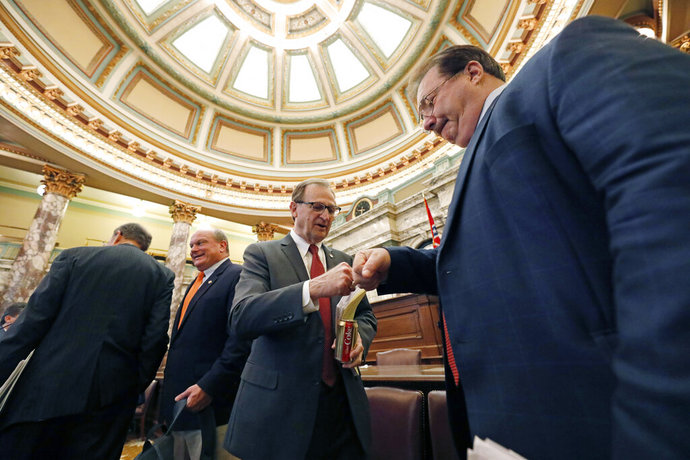
    JACKSON, Miss. (AP) — The Mississippi Capitol is a germ and virus factory during any normal legislative session because of all the glad-handing, back-slapping and random hugging. It was clearly in line to become more perilous than usual during the coronavirus pandemic.

    Legislators voted last week to suspend their session until at least April 1, acting on the recommendation of the state health officer, Dr. Thomas Dobbs.

    “It’s been said that the full Legislature is a hub for this disease,” Senate President Pro Tempore Dean Kirby, a Republican from Pearl, told his colleagues. “Let’s try to keep this situation under control as much as we can. … This is a tough situation we’re in right now. It’s a crisis and we all know it.”

    By leaving the Capitol, Kirby said, “I feel like we’ll help our constituents and we’ll be doing the right thing.”

    Hundreds, and sometimes thousands, of people mingle in the Capitol on any given day when the House and Senate are in Jackson. In addition to the 174 legislators, the regulars in the building are legislative staffers, lobbyists, journalists and tour guides.

    It’s a place where social distancing is difficult. Advocacy groups set up tables and give away food in the central gathering spot on the first floor. High school students by the hundreds pass through the building — 4-H kids in blue corduroy jackets, athletes in letter jackets, choirs wearing all-black outfits.

    Not long before fear of the coronavirus started spreading in the United States, hundreds of parents and children wearing matching red T-shirts gathered inside the state Capitol and continued their yearslong — and, so far, unsuccessful — effort to get lawmakers to loosen Mississippi’s mandates for vaccinations that are needed before children can attend public or private schools. The state’s vaccination requirements for measles, chickenpox and other diseases are among the most stringent in the U.S.

    Researchers are working to develop a coronavirus vaccine. Dr. Anthony Fauci of the U.S. National Institutes of Health says that even if research goes well, a vaccine is at least 12 to 18 months from widespread availability.

    April 1 is the earliest that lawmakers would return to the Capitol to resume their session. They could return later if that’s what Lt. Gov. Delbert Hosemann and House Speaker Philip Gunn decide is the best thing for public health.

    Before Dobbs took the top job at the Mississippi State Department of Health, he was the state epidemiologist. Gunn said he and Hosemann will seek advice from Dobbs about when it might be safe for legislators to return to work.

    “We’ll pick up right where we left off,” Gunn said.

    Mississippi legislators normally meet the first three months of each year. Because this is the beginning of a four-year term, they were supposed to have a four-month session this year, from early January until early May. The extra month allows time for organizational matters such as assigning members to House and Senate to committees. It also gives new legislators a chance to meet their colleagues and learn the legislative process.

    Legislators are at roughly the halfway point of their work process this year. General bills have been considered in the chamber where they were filed — House bills in the House and Senate bills in the Senate. The two chambers are exchanging bills and will do more work on those after they return.

    Legislators will also start the final decision-making process about money matters. State agencies submitted spending requests several months ago for the fiscal year that begins July 1. The coronavirus is expected to deliver an economic gut punch with the likelihood that tax collections will decrease at the same time that demand for state services increases.

    ____

    Emily Wagster Pettus has covered Mississippi government and politics since 1994. Follow her on Twitter: http://twitter.com/EWagsterPettus.

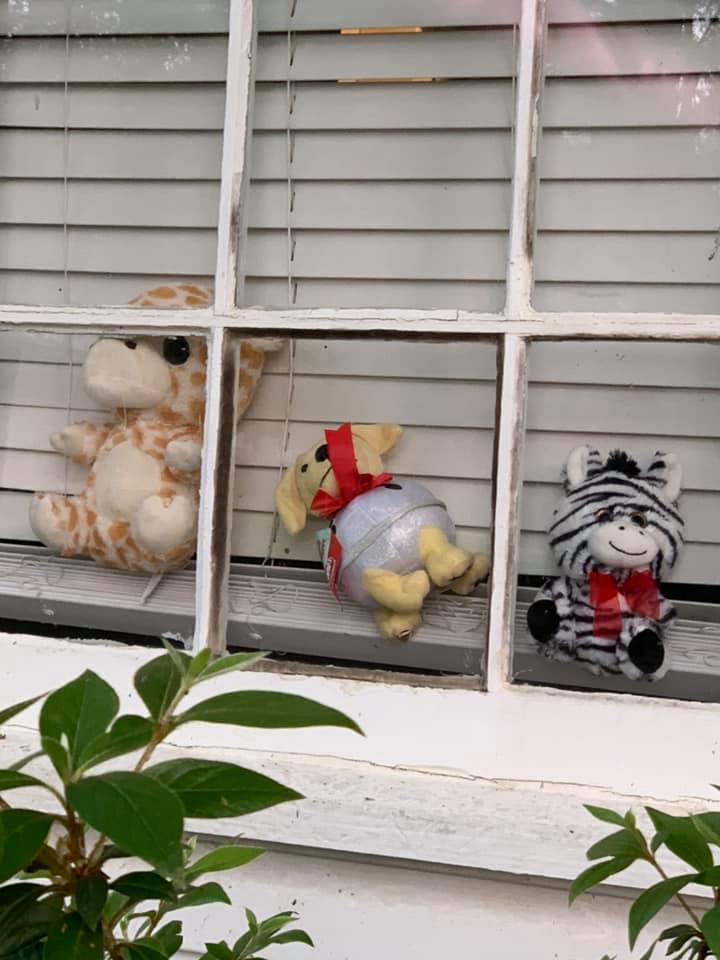
  • The Miss-Lou Teddy Bear Hunt Is On!

    The Miss-Lou Teddy Bear Hunt Is On!

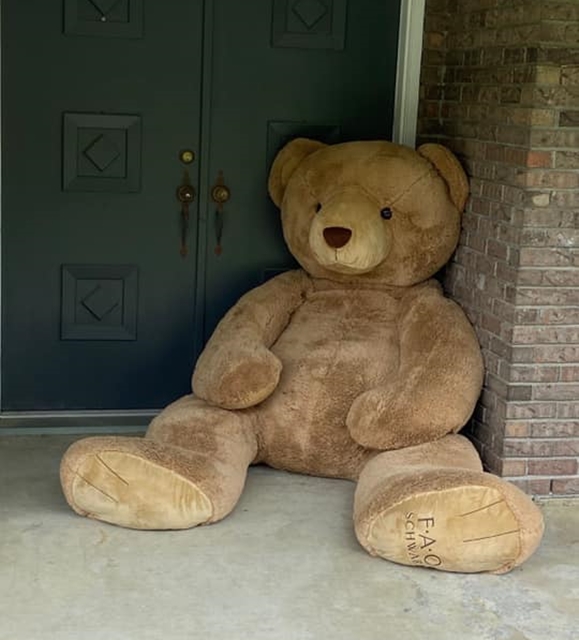
    You can go on a Teddy Bear hunt!

    Miss-Lou residents have come up with a great way for families to get their kids out of the house for a little while, AND still maintain social distancing!

    A Teddy Bear Hunt!

    A Facebook Group has even been created to help you get involved.

    Here is how it works:

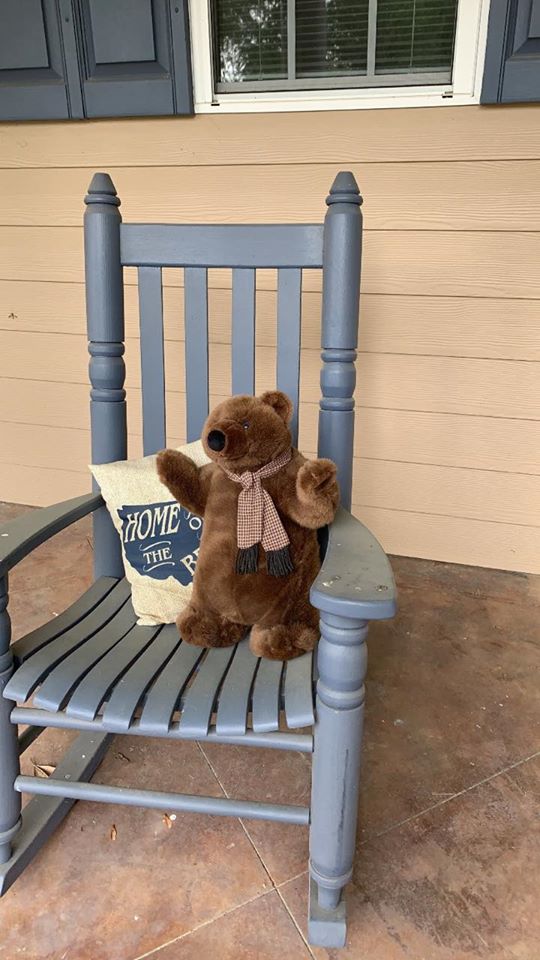
    Let’s put our teddy bears into our front windows, then add your street and town here!

    Parents can take antsy kids on a bear hunt, and when they honk in front of bear houses, people inside stay connected!

    Share and invite your friends!

    People all over are joining in the fun!

    We love it!


  • Coronavirus infections in Louisiana climb to more than 830

    NEW ORLEANS (AP) — Coronavirus infections in Louisiana have climbed to more than 830 Sunday, and testing was being made available to more people in the New Orleans area where the outbreak was centered, state health officials said.

    Affected residents live in 36 of the state’s 64 parishes, and 20 people have died from COVID-19, according to the state health department.

    State health officials on Saturday announced that drive-thru testing for the virus in the New Orleans area would be available to a wider range of people.

    Testing was previously open only to health care workers and first responders exhibiting symptoms consistent with the COVID-19 disease caused by the virus. But beginning Sunday, testing was to be offered to anyone with a fever or other symptoms, the New Orleans Office of Homeland Security and Emergency Preparedness and the New Orleans Health Department said Saturday.

    Three federally funded test sites are operating in the state, two in New Orleans and one in nearby Jefferson Parish.

    Testing in New Orleans is happening in the parking lots of the Mahalia Jackson Theater and the University of New Orleans Lakefront Arena, and in Jefferson Parish at the Alario Event Center. The New Orleans sites will be open from 8 a.m. to 6 p.m. or until 100 people have been tested at each site, officials said. The Jefferson Parish site will operate from 8 a.m. to 6 p.m., with a cap of 250 tests per day.

    Louisiana has one of the nation’s highest per capita rates of infection, Gov. John Bel Edwards has said, with New Orleans at the epicenter of the state’s outbreak.

    For most people, the virus causes only mild or moderate symptoms, such as fever and cough. For some, especially older adults and people with existing health problems, it can cause more severe complications such as pneumonia. The vast majority recover.

  • Louisiana governor issues statewide ‘stay at home’ order

    BATON ROUGE, La. (AP) — Gov. John Bel Edwards ordered all 4.6 million people in Louisiana to voluntarily stay at home starting at 5 p.m. on Monday unless they’re performing an essential task like getting food or medicine.

    First-responders and workers in grocery stores, pharmacies, doctors’ offices and other critical infrastructure are exempt from his directive, which will remain in effect until April 12, and could be extended beyond that.

    The directive doesn’t describe any details on enforcement, and leaves people with plenty of maneuvering room.

    Essential activities, it says, include getting exercise and fresh air, walking their pets, going to family homes and places of worship. But in all cases, people should practice social distancing, avoid groups of 10 or more, and shouldn’t visit friends or family without an “urgent need.”

    “The bottom line is we are in a race against time when it comes to this coronavirus and its rapid spread in Louisiana,” Edwards said at a news conference on Sunday.

    Edwards said voluntary compliance is the best way to contain the virus, he said.

    “We’re not going to be doing checkpoints and asking people to tell us why they’re out and about,” the Democrat said. “If the people of Louisiana demand that we enforce it before they honor it, we are in deep trouble, so I’m asking people to be good citizens.”

    Edwards said Louisiana could run out of health care capacity between seven to 10 days.

    “There is no reason to believe we won’t be the next Italy,” Edwards said. Already, Louisiana has the third highest number of cases per capita among U.S. states, he said.

    This coronavirus causes only minor flu-like symptoms in most people, who recover in a matter of weeks. But it is highly contagious and can cause severe illness or death in some, particularly the elderly and those with underlying health problems. Severe cases are often only able to breathe with respirators.

    New York, California, Illinois and some cities have issued similar shelter in place orders in the last few days. New Orleans Mayor LaToya Cantrell had issued a similar order for that city two days ago.

    State health officials said infections in Louisiana climbed to more than 830 on Sunday, with 20 deaths, as testing became more available. Edwards described a tenfold increase in just one week.

    “I do not take this action lightly, but there are some basic facts that we just simply cannot deny or ignore,” Edwards said.

    Edwards said restaurants can remain open for carry-out or delivery, and critical manufacturers, agriculture and utilities must continue. But he said businesses such as theaters, concert halls, hair salons and children’s play places should close.

    As for day care centers, he said they should follow guidelines from state education and health officials; it’s important, he said, that some of these remain open so health care employees can go to work.

    The mayor of New Orleans on Sunday said testing is increasing, but they need public cooperation to help control the spread of the virus.

    “The message we are here to make very clear to the public: Stay home,” Cantrell said. “Your health care providers are at work to protect you … but they can not protect us from ourselves if we are not following the rules.”

  • Mississippi gov seeks to help unemployed amid virus outbreak

    JACKSON, Miss. (AP) — Confirmed coronavirus infections climbed to more than 200 in Mississippi, and the governor announced plans to provide quicker access to unemployment benefits for residents affected by the outbreak.

    The more than 200 cases were reported as of 6 p.m. Saturday, according to state health department figures updated Sunday. A single COVID-19 death has been reported in the state.

    Gov. Tate Reeves on Saturday took action to help relieve burdens on the state’s workforce, according to a news release. He signed an executive order instructing the Mississippi Department of Employment Security to expedite payments to unemployed workers and relax collection requirements on employers.

    “Small businesses are the backbone of our economy, and their employees are the people who keep our economy going,” the governor said in an announcement made on Facebook Live. “We have worked very closely with the Mississippi Department of Employment Security to help employees of small businesses that are having a difficult time keeping their doors open in these challenging times.”

    Reeves waived a one-week waiting period for unemployment benefits for all claims filed from March 8 to June 27. He also suspended work search requirements that applicants must normally meet to receive benefits.

    The governor also suspended collection activity, including enrollment of liens and tax garnishments.

    The city of Vicksburg is implementing a city-wide curfew beginning Monday from 11 p.m. until 5 a.m., according to the mayor’s office. People are not allowed to be on city streets during those times, although people traveling to and from work, medical workers and first-responders and law enforcement would be exempt from the curfew. The city also directed restaurants to end on-site dining, but take-out and delivery could continue.

    The Mississippi Law Enforcement Officer’s Training Academy suspended operations until further notice, the Mississippi Department of Public Safety announced.

    The vast majority of people infected with the novel coronavirus get only mild or moderate symptoms, such as fever and cough, and recover in about two weeks. But many will need hospitalization. Particularly vulnerable are older adults and those with existing health problems who can develop severe complications, including pneumonia.

    COVID-19 testing will begin next week at the Mississippi Fairgrounds in Jackson. The drive-thru testing site will open by appointment starting Tuesday from 9 a.m. to 5 p.m. for those showing symptoms such as fever or respiratory problems, state health officer Dr. Thomas Dobbs said.