Category: COVID-19

  • One-Dose Shot Offers Good Protection, New Hope Against Virus

    One-Dose Shot Offers Good Protection, New Hope Against Virus

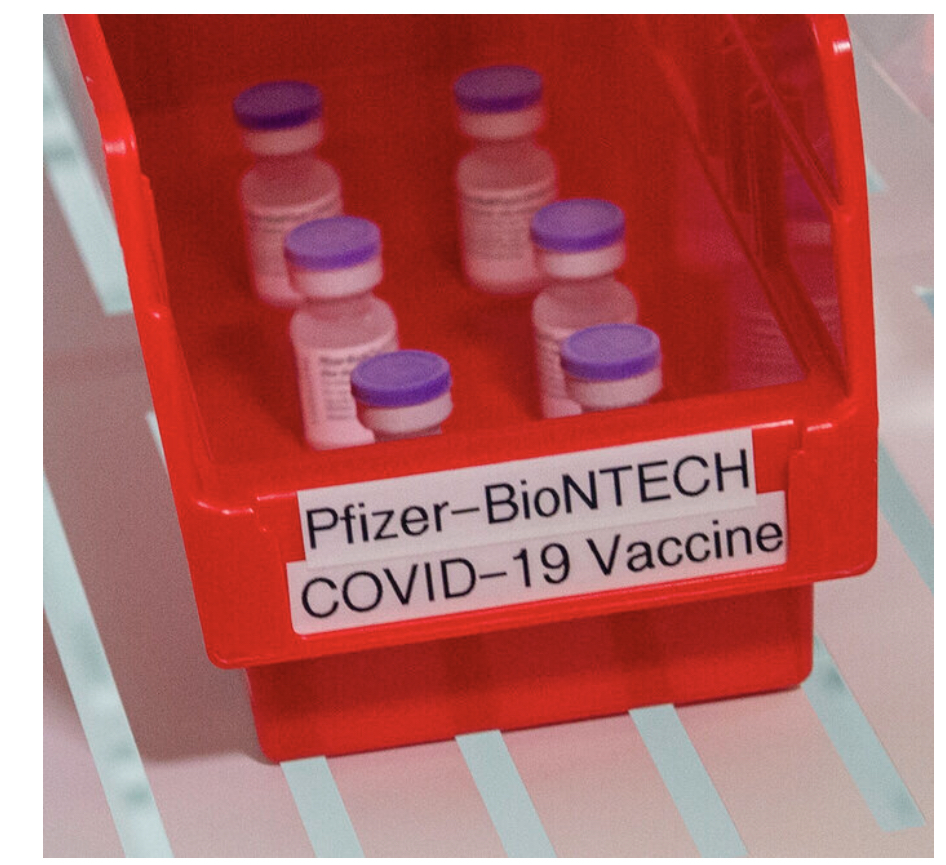
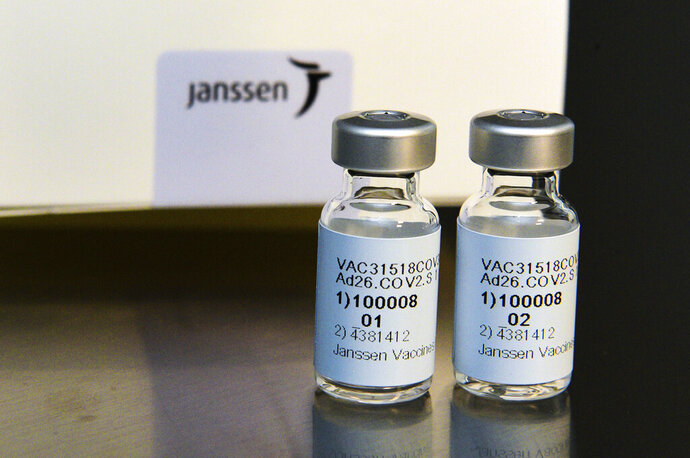
    Johnson & Johnson’s long-awaited vaccine appears to protect against COVID-19 with just one shot – not as strong as some two-shot rivals but still potentially helpful for a world in dire need of more doses.

    J&J said Friday that in the U.S. and seven other countries, the single-shot vaccine was 66% effective overall at preventing moderate to severe illness, and much more protective — 85% — against the most serious symptoms.

    There was some geographic variation. The vaccine worked better in the U.S. — 72% effective against moderate to severe COVID-19 – compared to 57% in South Africa, where it was up against an easier-to-spread mutated virus.

    “Gambling on one dose was certainly worthwhile,” Dr. Mathai Mammen, global research chief for J&J’s Janssen Pharmaceutical unit, told The Associated Press.

    With vaccinations off to a rocky start globally, experts had been counting on a one-dose vaccine that would stretch scarce supplies and avoid the logistics nightmare of getting people to return for boosters.

    But with some other competing vaccines shown to be 95% effective after two doses, at question is whether somewhat less protection is an acceptable tradeoff to get more shots in arms quickly.

    “Frankly, simple is beautiful,” said Dr. Matt Hepburn of Operation Warp Speed, the U.S. government’s vaccine initiative.

    The company said within a week, it will file an application for emergency use in the U.S., and then abroad. It expects to supply 100 million doses to the U.S. by June — and a billion doses globally by the end of the year. J&J wouldn’t say exactly how much could be ready to ship as soon as U.S. authorities give the green light.

    These are preliminary findings from a study of 44,000 volunteers that isn’t completed yet. Researchers tracked illnesses starting 28 days after vaccination – about the time when, if participants were getting a two-dose variety instead, they would have needed another shot.

    After day 28, no one who got vaccinated needed hospitalization or died regardless of whether they were exposed to “regular COVID or these particularly nasty variants,” Mammen said. When the vaccinated did become infected, they had a milder illness.

    Defeating the scourge that has killed more than 2 million people worldwide will require vaccinating billions, and the shots being rolled out in different countries so far all require two doses a few weeks apart for full protection. Early data is mixed on exactly how well all the different kinds work, but shots made by Pfizer and Moderna appear to be about 95% protective after the second dose.

    That makes for a dilemma: Wouldn’t people given a choice want a vaccine found to offer much more protection?

    J&J’s Mammen said direct comparisons are difficult because the Pfizer and Moderna vaccines weren’t tested when the pandemic was so severe, with record levels of hospitalizations and deaths plus mutant versions of the virus sweeping some countries.

    Dr. Anthony Fauci, the top U.S. infectious disease official, called that a messaging challenge — because the priority is to protect people from hospitalization and death, which J&J’s vaccine appears to do. Especially in places where it’s hard to get people to return for their second dose, the one-dose version could play a key role.

    Maybe more important is “a wake-up call” from the study that mutating viruses can challenge vaccines. And the best way to prevent more mutations is “by vaccinating as many people as you possibly can,” Fauci said.

    All COVID-19 vaccines train the body to recognize the new coronavirus, usually by spotting the spikey protein that coats it. But they’re made in very different ways.

    J&J’s shot uses a cold virus like a Trojan horse to carry the spike gene into the body, where cells make harmless copies of the protein to prime the immune system in case the real virus comes along. It’s the same technology the company used in making a successful Ebola vaccine.

    Rival AstraZeneca makes a similar cold virus vaccine that requires two doses. Both the AstraZeneca and J&J vaccines can be stored in a refrigerator, making them easier to ship and to use in developing countries than the frozen kind made by Pfizer and Moderna.

    It’s not clear exactly how well the AstraZeneca version, being used in Britain and several other countries, works. Tests in Britain, South Africa and Brazil suggested two doses are about 70% effective although there are questions about how much protection older adults get. An ongoing U.S. study may provide more information.

    J&J said its vaccine works consistently in a broad range of people: A third of participants were over age 60, and more than 40% had other illnesses putting them at risk of severe COVID-19, including obesity, diabetes and HIV.

    J&J said the vaccine is safe, with reactions similar to other COVID-19 shots such as fever that occur when the immune system is revved up.

    While it released few details, the company said there were no serious allergic reactions. But occasionally other COVID-19 vaccines trigger such reactions, which can be reversed if promptly treated – and authorities have warned people to be on the lookout regardless of which type of vaccine is used.

    J&J had hedged its bets with a study of a two-dose version of its vaccine, which is still underway.

    Friday’s interim results come on the heels of another vaccine in final testing. Novavax reported this week that its vaccine appears 89% effective in a U.K. study and that it also seems to work — though not as well — against new mutated versions of the virus circulating in Britain and South Africa. A larger study in the U.S. and Mexico is still enrolling volunteers.

    Wall Street appeared dissatisfied with J&J’s results, with shares dropping 4.2% in early trading, a rare big drop for the world’s biggest maker of health care products. Shares were down $4.07, or 2.4%, at $165.09 in mid-morning trading.

    In contrast, tiny Novavax saw shares skyrocket, jumping 71% to $229.72 in mid-morning trading.

    ___

    The Associated Press Health and Science Department receives support from the Howard Hughes Medical Institute’s Department of Science Education. The AP is solely responsible for all content.
  • Health Dept: Weekly Vaccine Allocation Remains Consistent

    Health Dept: Weekly Vaccine Allocation Remains Consistent

    JACKSON, Miss. (AP) — Mississippi is expecting to receive around 37,000 doses of coronavirus vaccine this week from the federal government, the same allocation the state has received for the last several weeks, state Department of Health spokesperson Liz Sharlot said Tuesday.

    “Of course, additional vaccine would be wonderful but for now, we are receiving what we expected,” Sharlot wrote in an email.

    Sharlot said health officials haven’t noticed any changes to Mississippi’s vaccine allocation in the last week since newly-inaugurated President Joe Biden took office.

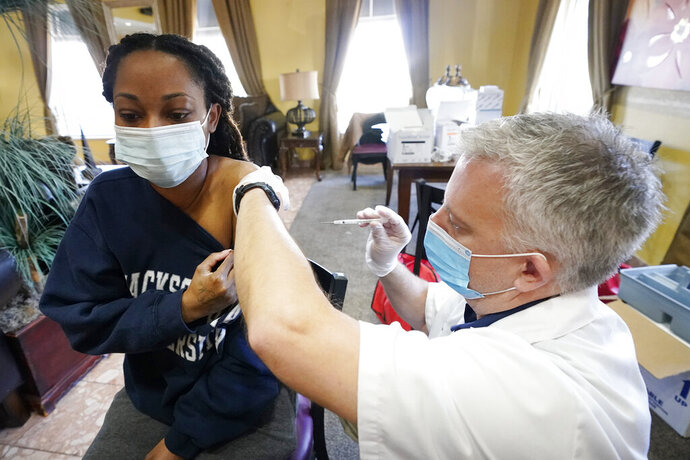
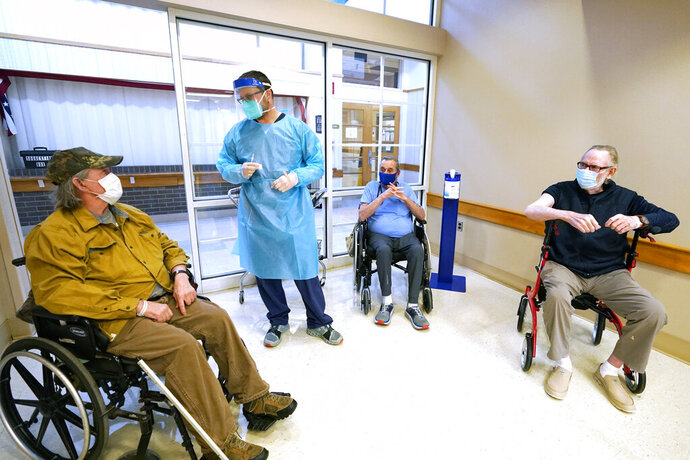
    Mississippi is using 19 drive-thru facilities, clinics and hospitals to complete vaccinations for those 65 and older, health care workers and those who are at least 16 and have health conditions that might make them more vulnerable to the virus.

    Since the state began vaccinating residents, appointments at drive-thru clinics have been limited due to high demand. As of Tuesday, 175,417 people in Mississippi have received their first dose of vaccine, and 18,012 have received their first and second dose, according to data provided by the Department of Health.

    Mississippi has a population of around 3 million.

    The department reported Tuesday that Mississippi had 1,452 new confirmed cases of the virus as of Monday evening. The department also reported 75 deaths Tuesday, 49 of which happened between Jan. 15 and Monday. The state has reported about 266,598 cases of the virus and 5,852 related deaths since the start of the pandemic.

    People eligible to receive the coronavirus vaccine can try to make an appointment at COVIDvaccine.umc.edu or by calling the COVID-19 call center at 1-877-978-6453.

    ___

    Follow AP coverage of the pandemic at https://apnews.com/UnderstandingtheOutbreak.

  • Hospitalizations In Louisiana Dropping After Surge

    Hospitalizations In Louisiana Dropping After Surge

    NEW ORLEANS (AP) — Hospitalizations for COVID-19 in Louisiana have dropped to the lowest level since late December — prior to a post-holiday season surge that saw the number hit a record high.

    Figures posted by the state health department Monday showed the number of people hospitalized with the disease caused by the new coronavirus at 1,638. The number was 2,069 on Jan. 7, higher than the peak of just under 2,000 in the first deadly surge that hit the state in early 2020.

    The Louisiana numbers are similar to a national trend. The number of COVID-19 patients in the hospital in the U.S. has fallen to about 110,000 from a high of 132,000 on Jan. 7.

    The government’s top infectious-disease expert, Dr. Anthony Fauci, said the improvement appears to be the result of “natural peaking and then plateauing” after a holiday surge, rather than an effect of the rollout of vaccines that began in mid-December.

    Louisiana, like other states, continues to have more interest in the vaccine than shots available. Some hospitals and clinics have reported having to cancel immunization appointments because they didn’t have enough vaccine doses to distribute.

    Officials with Ochsner health said during a Monday news conference that they have enough vaccines to ensure that those who have gotten the first of two shots needed can get the second shot. But after having to cancel appointments because they received fewer doses than they had first anticipated, Ochsner has stopped making appointments for the initial shots.

    “It’s been about a 70 percent decline in the vaccine supply from where we are today versus where we were several weeks ago,” Ochsner CEO Warner Thomas said. “The state is going through their allocation process and they’ve got tremendous demand for vaccine and they’re doing the best they can to meet demand issues but they’re not getting enough supply from the federal government.”

    Meanwhile, while demand is so high that Ochsner has had to cancel thousands of appointments, just over half of the system’s employees have not been vaccinated. Thomas, Ochsner Chief Medical Officer Robert Hart and infectious disease specialist Sandra Kemmerly said some employees have been reluctant based on pervasive misinformation about side effects.

    “We continue to stress to our employees and everybody that will listen to us how safe and effective this vaccine is,” Kemmerly said.

    Ochsner officials stressed that system employees who have not scheduled an appointment will not get priority above other eligible people — for instance, people age 70 and older — who have signed up.

    The latest statewide figures show 272,625 people had been vaccinated as of Friday, including more than 41,000 who have received a required second dose. There have been nearly 386,000 cases in the state since the first case was reported last year, 8,590 deaths attributed to the disease and more than 320,000 presumed recovered.

    More than 20 people connected to a wrestling tournament held earlier this month in Ascension Parish tested positive for the disease.

    The state Department of Health said athletes, staff and attendees at the Louisiana Classic Wrestling Tournament, which was held at the Lamar Dixon Expo Center in Gonzales on Jan. 15 and 16, have tested positive.

    The agency said anyone who attended the tournament should immediately get tested for COVID-19, even if not experiencing symptoms — and should quarantine for 10 days since exposure to prevent the risk of further spread.

    ___

    Follow AP’s coverage of the pandemic at https://apnews.com/hub/coronavirus-pandemic and https://apnews.com/UnderstandingtheOutbreak.

  • Louisiana Encouraging People To Download Contact Tracing App

    Louisiana Encouraging People To Download Contact Tracing App

    BATON ROUGE, La. (AP) — Louisiana has released a voluntary contact tracing application for mobile phones that can let people know if they’ve been around someone who has tested positive for COVID-19.

    Gov. John Bel Edwards announced the launch of the COVID Defense mobile application Friday and encouraged its use.

    People who download the app will be notified if they are at risk of the coronavirus illness because of exposure to someone who was confirmed infected and also has registered through the app.

    The governor’s chief public health adviser, Dr. Joe Kanter, said the voluntary app doesn’t track the location of a phone or share the identity of the person who tested positive for COVID-19 when notifying someone of exposure.

    The health department said the mobile application uses Bluetooth technology to exchange random tokens between phones.

    Each day, the mobile phone of a person using the app downloads a list of any anonymous tokens associated with COVID-19 cases and checks them against the list of anonymous tokens it has encountered in the last 14 days to determine if there’s a match indicating exposure.

  • A New COVID-19 Challenge: Mutations Rise Along With Cases

    A New COVID-19 Challenge: Mutations Rise Along With Cases

    The race against the virus that causes COVID-19 has taken a new turn: Mutations are rapidly popping up, and the longer it takes to vaccinate people, the more likely it is that a variant that can elude current tests, treatments and vaccines could emerge.

    The coronavirus is becoming more genetically diverse, and health officials say the high rate of new cases is the main reason. Each new infection gives the virus a chance to mutate as it makes copies of itself, threatening to undo the progress made so far to control the pandemic.

    On Friday, the World Health Organization urged more effort to detect new variants. The U.S. Centers for Disease Control and Prevention said a new version first identified in the United Kingdom may become dominant in the U.S. by March. Although it doesn’t cause more severe illness, it will lead to more hospitalizations and deaths just because it spreads much more easily, said the CDC, warning of “a new phase of exponential growth.”

    “We’re taking it really very seriously,” Dr. Anthony Fauci, the U.S. government’s top infectious disease expert, said Sunday on NBC’s “Meet the Press.”

    “We need to do everything we can now … to get transmission as low as we possibly can,” said Harvard University’s Dr. Michael Mina. “The best way to prevent mutant strains from emerging is to slow transmission.”

    So far, vaccines seem to remain effective, but there are signs that some of the new mutations may undermine tests for the virus and reduce the effectiveness of antibody drugs as treatments.

    “We’re in a race against time” because the virus “may stumble upon a mutation” that makes it more dangerous, said Dr. Pardis Sabeti, an evolutionary biologist at the Broad Institute of MIT and Harvard.

    Younger people may be less willing to wear masks, shun crowds and take other steps to avoid infection because the current strain doesn’t seem to make them very sick, but “in one mutational change, it might,” she warned. Sabeti documented a change in the Ebola virus during the 2014 outbreak that made it much worse.

    MUTATIONS ON THE RISE

    It’s normal for viruses to acquire small changes or mutations in their genetic alphabet as they reproduce. Ones that help the virus flourish give it a competitive advantage and thus crowd out other versions.

    In March, just a couple months after the coronavirus was discovered in China, a mutation called D614G emerged that made it more likely to spread. It soon became the dominant version in the world.

    Now, after months of relative calm, “we’ve started to see some striking evolution” of the virus, biologist Trevor Bedford of the Fred Hutchinson Cancer Research Center in Seattle wrote on Twitter last week. “The fact that we’ve observed three variants of concern emerge since September suggests that there are likely more to come.”

    One was first identified in the United Kingdom and quickly became dominant in parts of England. It has now been reported in at least 30 countries, including the United States.

    Soon afterward, South Africa and Brazil reported new variants. On Tuesday, researchers at Cedars-Sinai Medical Center in Los Angeles said yet another new variant has been found in one-third of COVID-19 cases in that city and may have fueled its recent surge in cases.

    The main mutation in the version identified in Britain also turned up on a different version “that’s been circulating in Ohio … at least as far back as September,” said Dr. Dan Jones, a molecular pathologist at Ohio State University who announced that finding last week.

    “The important finding here is that this is unlikely to be travel-related” and instead may reflect the virus acquiring similar mutations independently as more infections occur, Jones said.

    That also suggests that travel restrictions might be ineffective, Mina said. Because the United States has so many cases, “we can breed our own variants that are just as bad or worse” as those in other countries, he said.

    TREATMENT, VACCINE, REINFECTION RISKS

    Some lab tests suggest the variants identified in South Africa and Brazil may be less susceptible to antibody drugs or convalescent plasma, antibody-rich blood from COVID-19 survivors — both of which help people fight off the virus.

    Government scientists are “actively looking” into that possibility, Dr. Janet Woodcock of the U.S. Food and Drug Administration told reporters Thursday. The government is encouraging development of multi-antibody treatments rather than single-antibody drugs to have more ways to target the virus in case one proves ineffective, she said.

    Current vaccines induce broad enough immune responses that they should remain effective, many scientists say. Enough genetic change eventually may require tweaking the vaccine formula, but “it’s probably going to be on the order of years if we use the vaccine well rather than months,” Dr. Andrew Pavia of the University of Utah said Thursday on a webcast hosted by the Infectious Diseases Society of America.

    Health officials also worry that if the virus changes enough, people might get COVID-19 a second time. Reinfection currently is rare, but Brazil already confirmed a case in someone with a new variant who had been sickened with a previous version several months earlier.

    WHAT TO DO

    “We’re seeing a lot of variants, viral diversity, because there’s a lot of virus out there,” and reducing new infections is the best way to curb it, said Dr. Adam Lauring, an infectious diseases expert at the University of Michigan in Ann Arbor.

    Loyce Pace, who heads the nonprofit Global Health Council and is a member of President-elect Joe Biden’s COVID-19 advisory board, said the same precautions scientists have been advising all along “still work and they still matter.”

    “We still want people to be masking up,” she said Thursday on a webcast hosted by the Johns Hopkins Bloomberg School of Public Health.

    “We still need people to limit congregating with people outside their household. We still need people to be washing their hands and really being vigilant about those public health practices, especially as these variants emerge.”

    ___

    AP Medical Writer Carla K. Johnson contributed reporting.

    ___

    The Associated Press Health and Science Department receives support from the Howard Hughes Medical Institute’s Department of Science Education. The AP is solely responsible for all content.
  • Louisiana Gets Reports Vaccine Providers Are Discriminating

    Louisiana Gets Reports Vaccine Providers Are Discriminating

    BATON ROUGE, La. (AP) — Louisiana’s chief public health officer Tuesday warned hospitals, pharmacies and clinics that they should not be steering their coronavirus vaccine doses solely to their own patients, saying the state has received reports of such favoritism.

    Dr. Joe Kanter, with the Louisiana Department of Health, sent a memo to the vaccine providers that cautioned any found to be discriminating in favor of their patients — and denying vaccine appointments to nonpatients — could face penalties.

    “To the extent that such discrimination is occurring, it must immediately cease,” Kanter wrote to the health facilities. He reminded that coronavirus vaccine providers “are subject to after-action audits, and adverse action could be considered if improper discrimination by a provider is determined to have occurred.”

    The vaccine providers could face financial penalties, limits on future vaccine allocations, legal actions or other response if found continuing to discriminate in its distribution, said health department spokesperson Aly Neel. The state has control over licensing of health facilities and steers billions of dollars, through the Medicaid program and other health initiatives, to hospitals, clinics and pharmacies.

    The Pfizer and Moderna vaccines in Louisiana are available to health care employees; EMS workers; firefighters; people with kidney failure; anyone aged 70 and older; people with disabilities over the age of 16 who receive community- or home-based services and their providers; and people who live and work at nursing homes and other long-term care facilities.

    Once vaccination was opened to the elderly this month, the state began steering some of its weekly allocation of vaccine doses from the federal government to a growing network of pharmacies and clinics, by appointment only. The health department also called on hospitals with excess doses that are not needed for their own employees to set up appointments for the elderly and others eligible.

    “Louisiana providers who are administering the COVID-19 vaccine must adhere to the guidance developed by the Louisiana Department of Health to ensure an equitable approach to making vaccinations available to as many people as possible in the eligible groups,” Kanter told providers.

    About 850,000 people out of Louisiana’s 4.6 million residents fall into the current vaccine eligibility categories, according to Edwards administration estimates. More than 170,000 people have received at least the first dose of the two-dose Pfizer or Moderna vaccines, according to the latest data from the state health department.

    Kanter’s letter to vaccine providers also addresses other issues that have come up in the first month of distribution.

    It says providers must “make a reasonable effort” to verify that the person getting immunized actually meets the eligibility criteria and must schedule every person who gets a first dose of vaccine for the appointment to receive their second dose before they leave the vaccination site.

    It also tells the hospitals, clinics and pharmacies that they must enter the vaccination information into a state computer system within 24 hours, including the self-identified race of the recipient.

    “Routinely selecting ‘other’ as a default in the race field is not acceptable and will hinder the state’s ability to understand and address inequities in vaccine distribution,” the letter says.

    Kanter also gave vaccine providers instructions on how to minimize vaccine waste, telling them that if a dose is in risk of expiring within six hours, “every effort should be made” to find people who meet Louisiana’s eligibility standards. If unable, he wrote, the provider can vaccinate someone out of the eligibility groups to avoid wasting the vaccine.

    ___

    Follow AP’s coverage of the pandemic at https://apnews.com/hub/coronavirus-pandemic and https://apnews.com/UnderstandingtheOutbreak. Follow Melinda Deslatte on Twitter at http://twitter.com/melindadeslatte.

  • Analysis: No Immediate Vaccine Changes Planned In Louisiana

    Analysis: No Immediate Vaccine Changes Planned In Louisiana

    BATON ROUGE, La. (AP) — Federal officials have changed their guidance to states for distributing and administering the coronavirus vaccine, but that doesn’t mean Louisiana is rushing more of its residents to the front of the line for shot eligibility.

    Gov. John Bel Edwards’ administration is keeping its current approach for now, because the state already has more interest in COVID-19 immunization than it has vaccine doses available — particularly from those aged 70 and older who are currently eligible in Louisiana.

    In addition, it’s uncertain the new federal guidelines will stick. President-elect Joe Biden’s administration is expected to make changes to the nation’s approach to vaccinations, including adjustments to the distribution of doses to states.

    For now, Louisiana’s Democratic governor will maintain the current eligibility requirements and distribution network he’s enacted through hospitals, pharmacies and health clinics.

    “It’s going to be some time before we announce any changes, if at all, to our approach with respect to priority groups,” Edwards said. “One of the reasons is we’re already focused on those most vulnerable in Louisiana, those who are 70 or older, and we still have a lot of those individuals who have yet to be vaccinated who want the vaccine.”

    In addition to the elderly, the vaccine in Louisiana is available to health care employees, EMS workers, firefighters, people with kidney failure and people who live and work at nursing homes and other long-term care facilities.

    About 850,000 people out of Louisiana’s 4.6 million residents fall into the current eligibility categories, according to Edwards administration estimates. More than 170,000 people have received at least the first dose of the two-dose Pfizer or Moderna vaccines, according to the latest data from the state health department.

    That means about 4% of Louisiana’s population has started the two-shot vaccination process.

    On Tuesday, President Donald Trump’s administration changed its guidance to states, widening its recommendations for eligibility after a sluggish start to getting shots in arms around the country. The new guidance urged states to immediately start vaccinating other groups lower down the priority scale, including people age 65 and older and younger people with certain health problems.

    But states create their own eligibility standards.

    Edwards already has set the next vaccine priority group when Louisiana expands its eligibility beyond the current list. But it likely will be weeks or possibly months before the state moves to that next cohort of people.

    The list for that next priority group — whenever it becomes eligible — doesn’t directly match the latest Trump administration guidance.

    Louisiana’s next priority group includes hundreds of thousands more people: grocery store workers, public transit employees, K-12 school employees and teachers, day care workers, post office employees, essential government response workers, judges, the National Guard and other military staff, prison guards and more.

    Edwards said he might tweak the list before Louisiana opens eligibility to that group.

    “We don’t have to make that decision yet, because we’re not there,” he said. “When we move to that next group, that group may look a little different, a little larger than it currently does based on the recommendations we’ve gotten.”

    When Louisiana will broaden vaccination eligibility to that next group remains uncertain — and entirely up to the governor.

    Edwards said he’ll open shots to more people when demand from those currently eligible lessens. His benchmark is when 20% of available vaccine appointments are not getting filled, the state will move to the next order of priority.

    Louisiana also has to make sure it has enough vaccine available to give people the second shot required within weeks after the first dose. That’s a delicate balancing act when states find out how many vaccine doses they’ll receive from the federal government for the upcoming week only a few days before distribution.

    Another change announced by federal officials might impact the number of doses states receive, if the Biden administration continues it. The Trump administration said the federal government will base each state’s allocation of vaccines partly on how successful states have been in administering those already provided.

    Louisiana’s made significant strides in improving its vaccination reach after a slow pace across the first few weeks of the rollout. It ranked 16th among states Friday for the number of doses administered per capita, according to data collected by the U.S. Centers for Disease Control and Prevention, after earlier being in the bottom tier of states.

    ___

    EDITOR’S NOTE: Melinda Deslatte has covered Louisiana politics for The Associated Press since 2000. Follow her at http://twitter.com/melindadeslatte.

  • Jackson Students Return To Classroom After Semester Virtual

    Jackson Students Return To Classroom After Semester Virtual

    JACKSON, Miss. (AP) — Some Jackson Public Schools students will be returning to the classroom on Tuesday for the first time in months.

    The entire district was learning from home last semester because of the COVID-19 pandemic.

    WAPT-TV reports the district’s Smart Restart plan for the spring semester will allow students to transition from virtual to in-person and hybrid learning. Virtual students have already started their semester.

    “It has taught us that we have to be flexible and resilient. Everyone was a first-year teacher because we were all learning it together,” said Dr. Sara Harper, principal of McWillie Elementary School.

    Elementary students who return to traditional in-person learning will attend school Monday through Friday. Middle and high school students will be on a hybrid schedule.

    Teachers and students returning to in-person learning will use an online app to help track attendance, temperature checks and contact tracing. The data provided will help inform administrators to make decisions about quarantines if community members become exposed to the virus.

  • Deep South Falls Behind In Coronavirus Vaccine Drive

    Deep South Falls Behind In Coronavirus Vaccine Drive

    ATLANTA (AP) — The coronavirus vaccines have been rolled out unevenly across the U.S., but four states in the Deep South have had particularly dismal inoculation rates that have alarmed health experts and frustrated residents.

    View all (6)

    In Alabama, Georgia, Mississippi and South Carolina, less than 2% of the population had received its first dose of a vaccine at the start of the week, according to data from the states and the U.S. Centers for Disease Control and Prevention.

    As in other parts of the country, states in the South face a number of challenges: limited vaccine supplies, health care workers who refuse to get inoculated and bureaucratic systems that are not equipped to schedule the huge number of appointments being sought.

    But other states have still managed — at their best — to get the vaccines into the arms of more than 5% of their populations.

    Though it’s not clear why the Deep South is falling behind, public health researchers note that it has typically lagged in funding public health and addressing disparities in care for its big rural population.

    “When you combine a large percentage of rural residents who tend to be the hard-to-reach populations and have lower numbers of providers with trying to build a vaccine infrastructure on the fly, that’s just a recipe for a not-so-great response,” said Sarah McCool, a professor in public health at Georgia State University.

    In Georgia, the state’s rural health system has been decimated in recent years, with nine hospital closures since 2008, including two last year. Local health departments have become the primary vaccine providers in some locations, as officials work to add sites where doses can be administered.

    “If we’re the only game in town, this process is going to take a long time,” Lawton Davis, director of a large public health district that includes Savannah, said at a news conference on Monday.

    The district had to stop taking appointments in the face of an onslaught of requests after Georgia opened up the vaccine to people over 65. Other health districts in the state saw their websites crash.

    Alabama and Mississippi have also been hit hard by rural hospital closures. Seven hospitals have shut down in Alabama since 2009 and six in Mississippi since 2005, according to researchers at the University of North Carolina’s Sheps Center. Alabama, Georgia and Mississippi ranked in the bottom five of U.S. states in their access to health care, according to a 2020 report from a not-for-profit foundation connected to insurance giant UnitedHealth.

    But overall, experts say it’s too early in the vaccine rollout to draw conclusions about the region’s shortcomings, and they can’t easily be attributed to a particular factor or trend.

    “We’re sort of building this plane as we’re flying, and there are going to be missteps along the way,” said Amber Schmidtke, a microbiologist who has been following vaccine dissemination in the South.

    Officials in the individual states have cited a number of challenges, but have also acknowledged shortcomings.

    “We have too many vaccines distributed that are not in arms yet,” said Mississippi Gov. Tate Reeves, who noted that some hospitals in the state are not using their vaccine doses. He said that practice “has to stop.”

    Georgia Gov. Brian Kemp cited a similar challenge and warned providers holding on to vaccines that the state would take their unused doses even if that required “firing up” his pickup truck and doing it himself.

    But in South Carolina, hospital officials say it is the state that has moved too slowly to expand access to the vaccinations, leaving them with unused doses. The state recently did offer the vaccine to those 70 and older.

    Mississippi’s Reeves said one of the biggest weaknesses in the state’s vaccination system is the federal partnership with CVS and Walgreens to administer vaccinations in long-term care facilities. The pharmacy chains have been slow in hiring enough people to do the work in Mississippi, the governor said.

    CVS Health said in a statement that it has “the appropriate resources to finish the job” at long-term care facilities. Walgreens did not respond to an email.

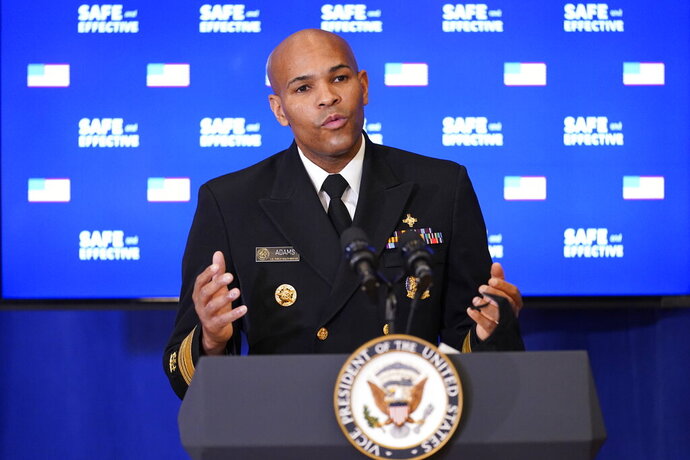
    During an online forum hosted by Jackson State University in Mississippi on Thursday, U.S. Surgeon General Jerome Adams, who is Black, noted the reluctance of many African Americans to be vaccinated. He cited a general mistrust of medical systems stemming back to a now-defunct government study that started in the 1930s and left Black men untreated for syphilis for decades.

    So far, only 15% of COVID-19 vaccinations in Mississippi have gone to Black people, who make up about 38% of the population, state health officer Dr. Thomas Dobbs said during the forum.

    Officials in all four states also said some health care workers — among the first groups eligible for a vaccine — are choosing not to get inoculated. And some stressed that states were dealing with limited supplies and high demand and implored people to be patient.

    “Yes, the phone lines will be busy. Yes, the websites will certainly crash,” Kemp said Tuesday. “There are simply vastly more Georgians that want the vaccine than can get it today.”

    Mississippi officials said the state’s website and telephone hotline were overwhelmed after the governor announced Tuesday that vaccinations were available to people 65 or older or people who have underlying medical conditions.

    Liz Cleveland, a 67-year-old retired state employee who lives in Jackson, waited hours on the website using her cellphone, computer and tablet only to encounter unknown errors.

    “It’s like gambling. You may hit or you may bust,” Cleveland said.

    About 2 a.m. Wednesday, she was finally able to book appointments for herself and her husband next week in Hattiesburg, which is 90 miles (145 kilometers) away. Mississippi officials said Thursday that they will open an additional drive-thru site for vaccinations soon in the state’s largest county.

    Alabama officials also have been inundated with requests for appointments since announcing the state will begin vaccinations for people over 75 next week. A state hotline received more than a million calls the first day it was open.

    Celia O’Kelley of Tuscaloosa said she couldn’t get through to anyone to get an appointment for her 95-year-old mother.

    “I am scared because Tuscaloosa is a hot spot,” she said.

    ___

    Associated Press writers Kim Chandler in Montgomery, Alabama; Emily Wagster Pettus in Jackson, Mississippi; and Michelle Liu in Columbia, South Carolina, contributed to this report.

  • US Surgeon General Acknowledges Black Skepticism Of Vaccines

    US Surgeon General Acknowledges Black Skepticism Of Vaccines

    JACKSON, Miss. (AP) — The U.S. surgeon general on Thursday urged Black leaders in Mississippi to get COVID-19 vaccinations and to ask others in their communities to do the same.

    Dr. Jerome Adams, who is Black, spoke during an online forum hosted by Jackson State University. He said people distrust medical systems because of the government study that left Black men untreated for syphilis for decades, starting in the 1930s.

    “Former surgeons general, people whose pictures are out in the hallway behind me right now, oversaw the Tuskegee experiments,” Adams said from Washington. “So then we ask ourselves: ‘Why are people scared to take a vaccine that they think came about very quickly? Why are they scared to be first in line?’

    “We have to acknowledge and validate those real historical reasons for concern, because when you tell people they’re silly to have those concerns, they immediately shut down,” Adams said. “Step One is acknowledgment. But, Step Two is addressing those concerns in a meaningful way.”

    Adams said there are protections in place now “to make sure Tuskegee can never happen again.”

    The Mississippi state health officer, Dr. Thomas Dobbs, said during the forum Thursday that only 15% of COVID-19 vaccinations in the state, so far, have gone to Black people, who make up about 38% of the population.

    While vaccine skepticism could partially explain the numbers, access is also an issue.

    “This is a huge challenge. We are working to address this,” Dobbs said. “We are going to try to make sure we open more locations in areas where there is need.”

    He said a drive-thru vaccination site could be open by next week in Hinds County, which is home to the city of Jackson and has the largest population of any county in the state, with about 232,000 residents. About 74% of people living in Hinds County are Black.

    The Health Department has 18 drive-thru vaccination sites in the state. The two closest to Hinds County are in suburban Madison and Rankin counties.

    Dobbs said there were logistical problems with creating a site earlier in Hinds County. He said the Jackson-Hinds Comprehensive Health Center has been a “fantastic partner” for the Health Department in giving COVID-19 vaccinations.

    “We’ve given them about a thousand doses and they used every single one of them up very quickly,” Dobbs said.

    The state Health Department said Wednesday that it cannot take new appointments for COVID-19 vaccinations for a while because all available doses are reserved for the appointments that have already been made. Mississippi saw a rapid increase in demand for appointments after Gov. Tate Reeves announced Tuesday that vaccinations were available to people 65 or older and to people of any age with underlying health conditions that might be exacerbated by the coronavirus.

    Vaccinations were previously available to people 75 or older and to health care providers. Pharmacy chains CVS and Walgreens have a contract to administer vaccinations in long-term care facilities such as nursing homes.

    The Health Department reported Thursday that Mississippi, with a population of about 3 million, had 1,948 new confirmed cases of the virus as of Wednesday evening. The department on Thursday also reported 41 deaths that occurred between Jan. 2 and Wednesday. The state has reported 245,847 cases of the virus and 5,356 related deaths since the start of the pandemic.

    ____

    Follow AP coverage of the pandemic at https://apnews.com/UnderstandingtheOutbreak.