Category: Louisiana News

  • New Orleans Officials Cut Ribbon On New Airport Terminal

    New Orleans Officials Cut Ribbon On New Airport Terminal

    NEW ORLEANS (AP) — The old Louis Armstrong New Orleans International Airport will soon be a thing of the past.

    City and state officials Tuesday cut the ribbon on the city’s new $1.3 billion airport terminal which is scheduled to open to the public Wednesday.

    The terminal had been scheduled to open in May 2018, but the opening was pushed back after various delays.

    The 927,000-square-foot (86121-square-meter) facility will feature several amenities, including three rooms for mothers to bring small children, music venues, and charging locations at 50 percent of the seats at the gates. There are also 8,000 parking spaces available.

    All flights scheduled to arrive at the old terminal after 8 p.m. Tuesday will be moved to the new terminal, excluding three Southwest Airlines flights departing from Tampa, Florida; Atlanta and Dallas.

  • Acclaimed Novelist Ernest Gaines Dies At 86

    Acclaimed Novelist Ernest Gaines Dies At 86

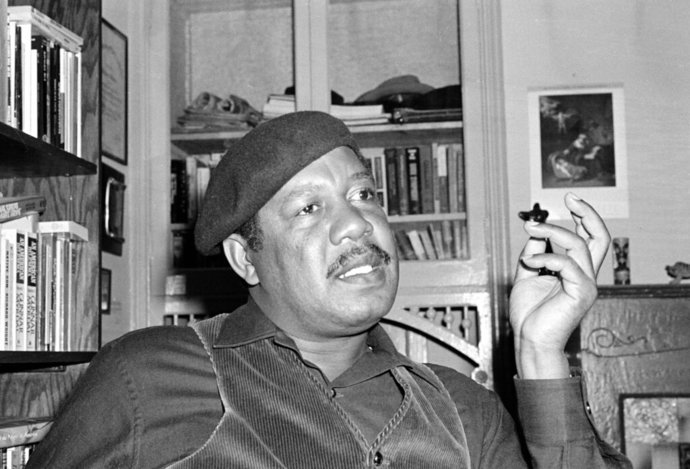
    NEW ROADS, La. (AP) — Novelist Ernest J. Gaines, whose poor childhood on a small Louisiana plantation town germinated the stories of black struggles that grew into universal stories of grace and beauty, has died. He was 86.

    Louisiana Gov. John Bel Edwards’ office on Tuesday released word of his death.

    Edwards said in a statement that Gaines “used his immense vision and literary talents to tell the stories of African Americans in the South. We are all blessed that Ernest left words and stories that will continue to inspire many generations to come.

    “A Lesson Before Dying,” published in 1993, was an acclaimed classic. Gaines was that year awarded a “genius grant” by the MacArthur Foundation, receiving $335,000 to spend over the next five years.

    Both “The Autobiography of Miss Jane Pittman” (1971) and “A Gathering of Old Men” (1984) became honored television movies.

    The author of eight books, Gaines was born on a plantation in Pointe Coupee Parish and his first writing experience was writing letters for illiterate workers who asked him to embellish their news to far-off relatives. Bayonne, the setting for Gaines’ fiction, was actually New Roads, Louisiana, which Gaines left for California when he was 15.

    Although books were denied him throughout his childhood because of Louisiana’s strict segregation — which extended even to libraries — he found the life surrounding him rich enough to recollect in story after story through exact and vivid detail.

    In “A Lesson Before Dying,” for example, the central figure is the teacher at the plantation school outside town. Through the teacher, whose profession Gaines elevates to a calling, the novelist explores the consistent themes of his work: sacrifice and duty, the obligation to others, the qualities of loving, the nature of courage.

    The themes are explored among the tensions of late 1940s and the teacher is the character burdened with the long past and with the expectations of a better future. As he struggles to find a way for a convicted young canefield worker to face the electric chair, he must find how to become both human and heroic at the moment of extinction.

    Gaines himself found that the use of his storytelling gifts meant more than militant civil rights action. “When Bull Connor would sic the dogs, I thought, ‘Hell, write a better paragraph.’

    “In 1968, when I was writing ‘The Autobiography of Miss Jane Pittman,’ my friends said, ‘Why write about a 110-year-old lady when all of this is going on now?’ And I said, ‘I think she’s going to have something to say about it.’”

    What Gaines’ characters said about it achieved a power and timelessness that made him a distinctive voice in American literature. Much of the appeal of his books is their seeming simplicity and straightforward storyline. “I can never write big novels,” he always maintained. But the questions he explored were the eternal ones great writers confront: what it means to be human, what a human lives and dies for.

    Gaines spent the fall teaching creative writing at the University of Southwestern Louisiana in Lafayette since 1983. It’s only about an hour’s drive from his childhood home.

    A large, gentlemanly man with a certain bohemian air — braces and berets were favorite attire — and a stately manner, Gaines was devoted to friends and family. When he married for the first time in 1993 at the age of 60, he celebrated in Lafayette, New Orleans, Miami, and San Francisco, so that the gatherings could include his intimates. Dianne Saulney Gaines is an assistant district attorney for Dade County, Florida. The couple divided their time among various abodes but spent the MacArthur money on a year in France and other travels.

    He could not write and teach at the same time. He needed five or six hours each day devoted to writing and “I can’t write a couple of days and skip two or three days.”

    “A Lesson Before Dying” took seven years.

    “I work five days a week, just like a regular job. I get up in the morning, do a little exercise, eat a little breakfast. I’m at my desk by nine in the morning, work until three with a little break for lunch,” he said.

    His literary influences were eclectic. Since he only began reading at 15, he began with a vengeance.

    “I discovered John Steinbeck … then Willa Cather … then the great 19th Century Russian and French writers, writers like DeMaupassant and Flaubert. Then I discovered Ivan Turgenyev, the great Russian classicist. He wrote small novels where everyone wrote big novels. I could never write big novels. (Turgenyev’s) ‘Fathers and Sons’ was one of my favorite books when I was a young man. It was my Bible when I was writing my first novel, ‘Catherine Carmier’ (1964),” he said.

    Other books include “Of Love and Dust” (1967), “Bloodline” (1968), “A Long Day in November” (1971), and “In My Father’s House” (1978).

    In addition to the MacArthur and numerous other awards, Gaines received prestigious grants from the National Endowment for the Arts, and the Rockefeller and Guggenheim Foundations. He held honorary doctorates from five colleges and universities.

  • Owner of Natchez antebellum mansions pleads guilty to bank and wire fraud charges.

    Owner of Natchez antebellum mansions pleads guilty to bank and wire fraud charges.

    BATON ROUGE, La. (AP) — A Louisiana man has pleaded guilty to carrying out schemes that defrauded banks and private equity firms of $29 million.

    A news release from the U.S. Attorney’s Office of the Middle District of Louisiana says 57-year-old Michael Allen Worley pleaded guilty Monday to bank fraud and wire fraud.

    With the guilty plea, Worley has admitted to obtaining $18 million in loans from banks in Baton Rouge and across the country between 2014 and 2018. He also admits to obtaining $11 million from private equity firms in Louisiana and Texas.

    U.S. Attorney Brandon Fremin says Worley inflated his assets, understated or omitted his liabilities, misrepresented his income and more to obtain the money.

    “This investigation and conviction demonstrates that those who seek to deceive and defraud banks and other lenders for their own personal benefit will be held accountable,” U.S. Attorney Brandon J. Fremin said. “Mr. Worley executed schemes to fraudulently induce banks and private lenders into giving him millions of dollars, and used unwitting associates of his to assist him. Individuals like Mr. Worley who obtain loans through fraudulent means can expect to be prosecuted, and victims of such schemes should know we will do everything within our power to make these lenders whole. I would like to recognize the efforts of our prosecutor and the FBI for their exemplary work on such an important matter.”

    At the time of his bankruptcy filing, Worley claimed $107 million in debt, including millions of dollars owed to Natchez-based United Mississippi Bank (UMB).

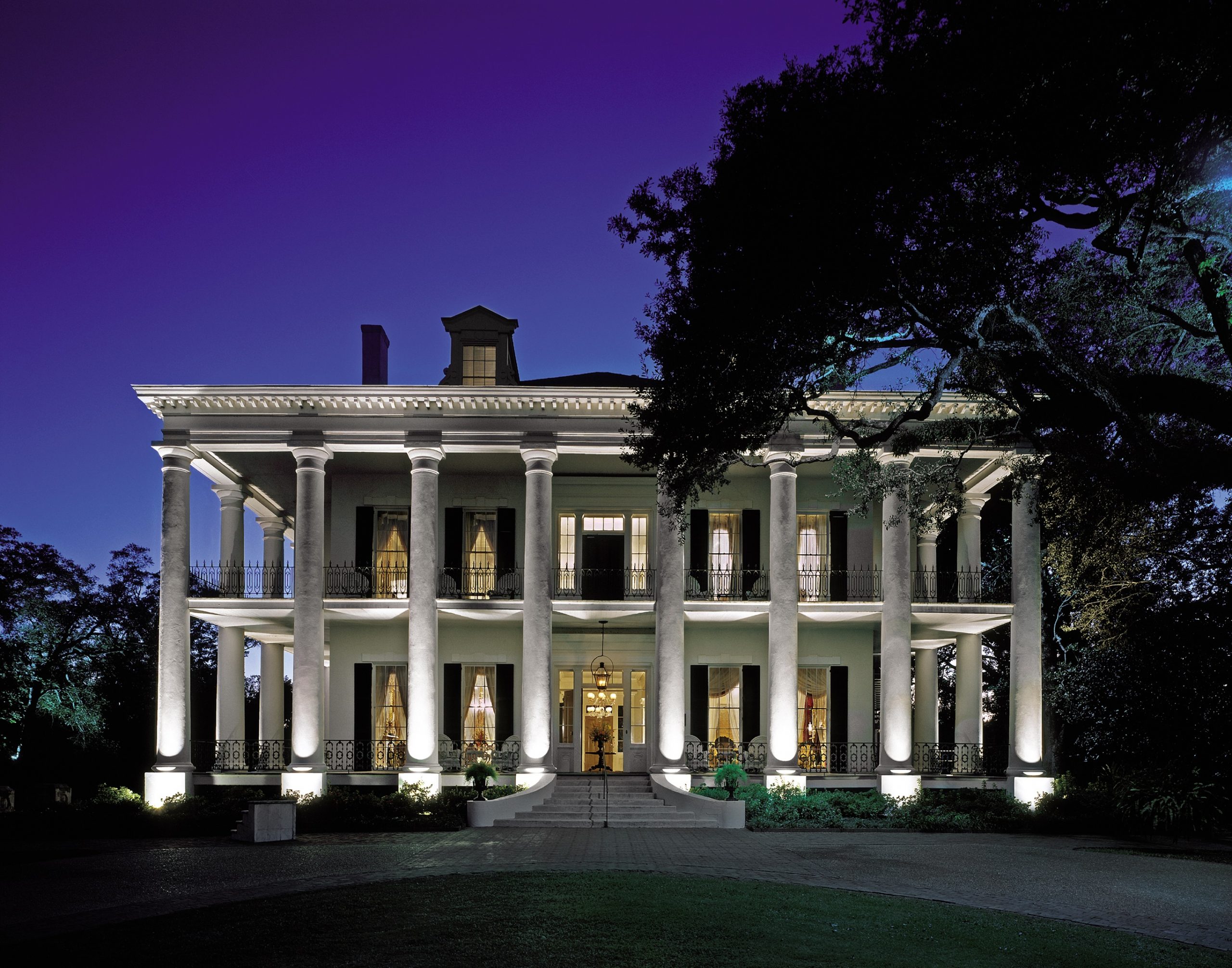
    Worley had led the bank to believe he was financially sound when the bank lent him money against several Natchez properties including teh antebellum mansion known as Dunleith. UMB obtained permission from the bankruptcy court to foreclose on the property and has since been trying to sell it.

    Dunleith was built in 1856 and operated as a commercial bed and breakfast facility since 1976. When it closed Dunleith currently had 22 luxury rooms available for overnight guests and has been the venue for many weddings and large parties throughout the years.

     Worley faces a prison sentence, a fine and a period of supervised release.
  • Sheriff: Louisiana Man Rode Electric Cart From Bar To Bar

    Sheriff: Louisiana Man Rode Electric Cart From Bar To Bar

    HOUMA, La. (AP) — A Louisiana man has avoided a driving while intoxicated charge by operating an electric-powered shopping cart to get from one bar to another.

    A news release from the Terrebonne Parish Sheriff’s Office says 32-year-old Brice Kendell Williams is accused of taking the cart Sunday from a Walmart in Houma to a bar about half a mile (0.8 kilometers) away. Col. Terry Daigre says a deputy found the cart parked between two cars in the bar’s parking lot.

    The sheriff’s office says Williams told the deputy he thought he might get charged with DWI if he drove his own vehicle from bar to bar.

    Williams was arrested nevertheless, and charged with felony “unauthorized use of a movable.” It’s unclear whether he had an attorney to speak for him.

  • Medical Marijuana In Louisiana: Questions About Cost Arise

    Medical Marijuana In Louisiana: Questions About Cost Arise

    BATON ROUGE, La. (AP) — Three months after medical marijuana became available in Louisiana, doctors and clinics say some patients are finding the cost for therapeutic cannabis too high for treatment, pricing them out of a medication they waited years to obtain.

    Nine pharmacies dispense medicinal-grade pot and set their individual prices. Dispensary owners say their charges reflect an industry with startup charges, small patient numbers and lengthy regulatory hurdles to meet.

    In August, Louisiana became the first Deep South state — and one of more than 30 states nationwide — to dispense medical marijuana, four years after state lawmakers agreed to give patients access. Now, the state is grappling with the growing pains of a new medical market and a patient group that can’t use health insurance to cover costs.

    Kathryn Thomas, CEO of The Healing Clinics, said a third of the medical marijuana patients across its five clinics in Shreveport, Monroe, Baton Rouge, Houma and Lafayette can’t foot the bill for the product.

    “They can’t afford ongoing treatment,” Thomas said. “It’s becoming the program for the elite.”

    The only cannabis currently available comes in a flavored liquid tincture, a bottle containing a dropper to use. One bottle can range from about $90 to $220, depending on concentration and pharmacy, according to medical marijuana advocates.

    Dr. Victor Chou, who has a medical marijuana clinic in Baton Rouge with more than 600 patients, said many of his patients take a dosage of about one bottle per month and are finding relief from chronic conditions. But one-quarter of his patients, Chou said, can’t afford the medication.

    “The average chronic pain patients would be spending maybe $1,000 a month at current prices for what they need,” he said.

    About 3,500 people have received medical marijuana since the program began, according to the Louisiana Board of Pharmacy. Under state law, Louisiana is allowing cannabis to treat a long list of diseases and disorders, such as cancer, seizure disorders, epilepsy, glaucoma, post-traumatic stress disorder and Parkinson’s disease.

    “We’re now working through the real kinks of a startup business and industry,” said Jesse McCormick, with the Louisiana Association for Therapeutic Alternatives representing the nine dispensaries. “They’re just like everybody else out here, trying to stay open and keep the lights on.”

    Only the agricultural centers at Louisiana State University and Southern University are authorized to grow medical marijuana.

    GB Sciences, LSU’s grower, is the only one currently providing product. John Davis, president of GB Sciences Louisiana, wouldn’t disclose its wholesale prices, but said pharmacies determine their own markups.

    McCormick said the pharmacies have higher tax liabilities and banking costs than other businesses, and he said some Louisiana dispensaries built facilities and carried costs for months with no income waiting for cannabis products.

    “I finally came up with our prices the night before we opened. It really was based on our expenses and what we had spent and lost, and what we needed to recover in five years,” said Doug Boudreaux, a pharmacist and co-owner of the Shreveport medical marijuana dispensary Hope Pharmacy.

    Pharmacies say if they get more patients, prices will go down. They say any addition of new products also will help, such as plans to offer dissolving strips taken by mouth and topical creams.

    Doctors and patients hope the addition of a second grower would drive down costs.

    Southern’s grower, Ilera Holistic Healthcare, is setting up operations, with plans to have medical marijuana on pharmacy shelves next year. Ilera CEO Chanda Macias said the company will have a manufactured-suggested retail price for products and will stress customer affordability to pharmacies.

    Chou’s hopeful the cost difficulties some patients are having will be addressed.

    “I want to be clear: there are a lot of people who are getting a really, really good benefit out of this. I have many people who tell me they’ve been totally pain free for the first time in years,” he said.

    ___

    Follow Melinda Deslatte on Twitter at http://twitter.com/melindadeslatte

  • Heritage Of Resistance: Reenactment To Honor Slave Rebellion

    Heritage Of Resistance: Reenactment To Honor Slave Rebellion

    NEW ORLEANS (AP) — Against the modern backdrop of oil refineries, strip malls and gated communities, hundreds of reenactors will gather Friday in southeastern Louisiana to remember a time when slavery flourished as a blight on America and some enslaved people fought back.

    They plan to reenact the largest slave rebellion in American history.

    Dressed in period costumes and holding machetes or rifles they will march 26 miles (42 kilometers) over two days from the sugar plantation country along the Mississippi River to the New Orleans suburbs.

    “I think it will be an amazing experience,” said artist Dread Scott , who conceived of the project, and whose works address racial injustice and oppression.

    “Seeing hundreds of black folk with machetes and muskets and sickles and sabers, flags flying, chanting to traditional African drumming, is going be an amazing moment. And people would be like, ‘What am I looking at? This doesn’t make sense,’” he said. “It will be an area where people can learn a lot and think a lot.”

    Reenactments have long been a staple of Civil War heritage in the South, where people don Confederate and Union uniforms and stage mock battles. But this effort seeks to illustrate the struggle over slavery that came to be the heart of that war.

    Scott first envisioned it about eight years ago. He’d wanted to stage a slave rebellion reenactment — maybe Nat Turner’s 1831 uprising in Virginia — but then a colleague told him about the uprising in Louisiana.

    Slaves across a stretch of plantations organized for months before launching their rebellion on Jan. 8, 1811. Over two days the group grew to an estimated 200 to 500 people, according to Daniel Rasmussen’s book “American Uprising: The Untold Story of America’s Largest Slave Revolt.”

    Their goal was to march on New Orleans and establish a free republic. The rebellion was inspired in part by the Haitian revolution but conceived by people born in Louisiana and Africa, said Dr. Ibrahima Seck, the director of research at the Whitney Plantation and a historical advisor to the reenactment.

    Most were field hands who toiled in hot, wet and humid conditions that contributed to their 13% yearly death rate, he said. Rasmussen writes that slaves in Louisiana’s sugar plantations faced “more brutal punishments and lives shorter lives” than elsewhere in North America.

    Scott said the project sprung from his interest in how people liberate themselves and in slavery’s continuing effects on America today. He was also intrigued to learn about the little-known rebellion’s goals and how close it came to success.

    “You can’t actually understand American society if you don’t understand slavery, and you can’t understand slavery if you don’t understand slave revolts,” he said.

    The reenactment comes at a time of heightened racial tension in the United States, following the election of President Donald Trump in 2016. One of the most contentious episodes came in August 2017 when hundreds of white nationalists descended on Charlottesville, Virginia, to protest the planned removal of a Confederate statue. One person was killed when a white nationalist plowed his car into a crowd of counterprotesters.

    Bob Snead, who heads the arts group Antenna that’s producing the rebellion reenactment with Scott, said that was a key turning point. Some questioned whether the reenactment should even go on, but Snead said there was also a strong feeling that the project was more important than ever.

    Organizers have taken precautions. They’ll have law enforcement and private security, and reenactors are advised not to engage with anyone along the route who might harass them.

    The very public nature of the project should help, Scott said. They’ve reached out to area residents and will have lots of community involvement.

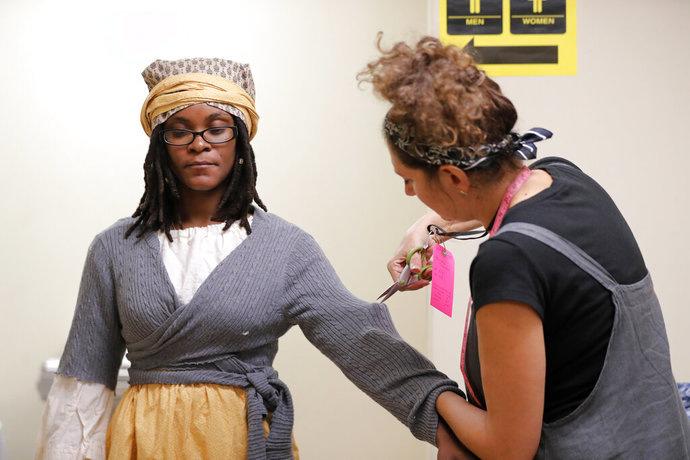
    Scott emphasizes that the reenactment is a community effort, where months and years of preparation that brought people together are as much a part of the art as the event itself. They’ve held outreach events in the parishes the marchers will traverse. They’ve filed for permits, staged rehearsals and held sewing circles where people have come together to create costumes.

    Part of the challenge was that there were few paintings of slaves to refer to, said Allison L. Parker who’s responsible for the costumes. She combed through pictures of runaway slaves and paintings and images of enslaved people in South America and the Caribbean for research.

    For many of the African American participants, it’s important to highlight the fact that enslaved people did not accept their fate. They fought back. Julie Joseph has been coming to the sewing circles and will take part in the reenactment. She said black history in America is often overlooked or ignored.

    “With this project, it’s highlighting the tenacity and the resilience that the people who were enslaved had to want to break free, to want to create their own republic,” she said. “I think that’s something that’s been really encouraging to me and something that’ll be really encouraging to a lot of other black people to know that I come from fighters.”

    Karen Kaia Livers, the community outreach organizer for Antenna, said there’s a popular misconception that slaves in southern Louisiana and New Orleans were happy and that their enslavers were “good people.”

    “That’s not the truth. Slavery is still slavery. And owning people and belonging to someone else is not freedom, not what America is all about,” she said.

    After a climactic battle between the slaves and planters, the rebellion was crushed. Rasmussen describes how the planters chopped the heads off the slaves’ corpses — about 100 altogether — and displayed them along the road going from New Orleans into the plantation country.

    But the reenactment will end with the reenactors gathering in New Orleans’ Congo Square where slaves used to gather on Sundays. Scott said he did not want to end by focusing on the brutality of white people but on the concept of black people trying to create their own republic.

    “I’m choosing to focus on a vision of freedom and emancipation,” he said.

    __

    Follow Santana on Twitter @ruskygal.

  • Rispone Slams Ad Linking Him To David Duke In Louisiana Race

    Rispone Slams Ad Linking Him To David Duke In Louisiana Race

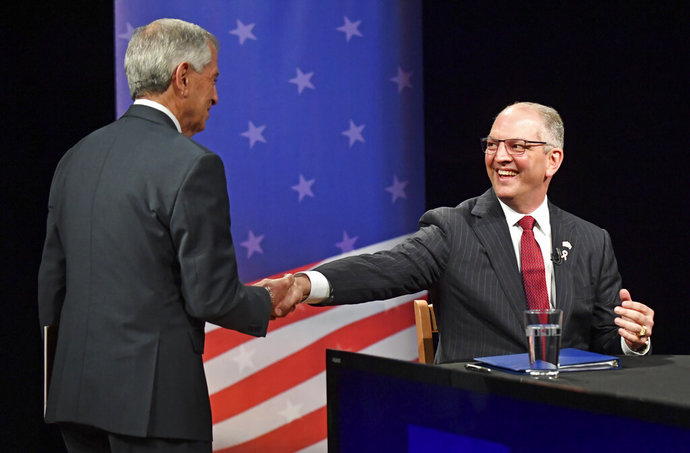
    BATON ROUGE, La. (AP) — Louisiana’s Republican gubernatorial candidate Eddie Rispone said a radio ad linking him and President Donald Trump to former Ku Klux Klan leader David Duke is “disgusting,” and he’s using it to rally support from pro-Trump voters.

    Rispone blamed Democratic incumbent John Bel Edwards for the advertising by the New Orleans-based Black Organization for Leadership Development, or BOLD.

    There’s no evidence Edwards, the Deep South’s only Democratic governor, is connected to the effort. Both an Edwards spokesman and the BOLD member featured in the advertising said the governor’s campaign wasn’t involved.

    One of several radio spots the organization’s PAC is running, the ad encourages minority voters to “vote against hatred” by choosing Edwards.

    “What is the difference between David Duke, Eddie Rispone and Donald Trump? The only difference is that Rispone will be governor if you don’t stop him. These people are telling you every day that they do not care about you or anyone who looks like you,” New Orleans Councilman Jay H. Banks says in the ad.

    Trump supports Rispone, who built his campaign on his backing of the president and has responded with his own radio ads claiming that Edwards supporters hate Trump.

    Early voting continues through Saturday in the Nov. 16 election.

    At an early voting stop Monday, Rispone accused Edwards and his backers of “playing the race card again.” His campaign is trying to capitalize off the attack spots by energizing Trump supporters against the Democratic incumbent.

    “It’s disgusting. The governor has to answer for that,” Rispone said.

    Rispone’s ads play excerpts of BOLD radio spots that slam Trump and connect them both to Duke, a Republican former Louisiana state lawmaker who’s made failed bids for other offices in the state.

    In one Rispone response ad, a narrator says: “That’s how far the radical left will go to keep liberal John Bel Edwards in power. And if you don’t agree they’ll call you a racist.” The ad urges voters to vote against Edwards and “his Trump hating friends.” The other ad says Edwards is “too weak to stop these hateful attacks, too cowardly to condemn them.”

    Edwards spokesman Eric Holl said the BOLD advertising was “not paid for or authorized by the John Bel Edwards campaign.” But Edwards hasn’t directly denounced the messaging.

    Trump has targeted Edwards for ouster, planning a Wednesday rally for Rispone in Monroe. Edwards has steered clear of criticizing a president who won Louisiana by 20 percentage points and remains popular, instead saying he’s worked well the White House and will continue to do so.

    The BOLD ads, most of which feature Banks, seek to drum up support for Edwards from anti-Trump voters. One asks voters to “remember that sickening feeling you got when you woke up and realized Donald Trump was elected president.” Another tells voters they “can send a message directly to Trump that his politics of lies and hate won’t work here.”

    Banks said the Edwards campaign wasn’t involved in the ads. Banks defended the advertising and tying Rispone to Duke, saying that Rispone’s campaign approach has mirrored Duke’s unsuccessful 1991 campaign for governor.

    “I don’t know why Mr. Rispone’s mad. What are we saying that’s not true?” Banks said. “David Duke ran on a very similar platform to what he’s running on, anti-New Orleans, anti-Medicaid, anti-anything that helps people who aren’t rich.”

    Banks said Rispone has embraced a president with “white supremacist views” and is trying to vilify New Orleans and minorities by repeatedly calling New Orleans a “sanctuary city.”

    Beyond the radio ad, a door-hanger that the Rispone campaign and a Republican state senator said has been circulated to households also links Rispone and Trump to Duke. It’s unclear who paid for that advertising. Banks said BOLD wasn’t involved in the effort.

    ___

    Follow Melinda Deslatte on Twitter at http://twitter.com/melindadeslatte

  • Louisiana Volunteer Rescue Crew ‘Cajun Navy’ Changes Name

    Louisiana Volunteer Rescue Crew ‘Cajun Navy’ Changes Name

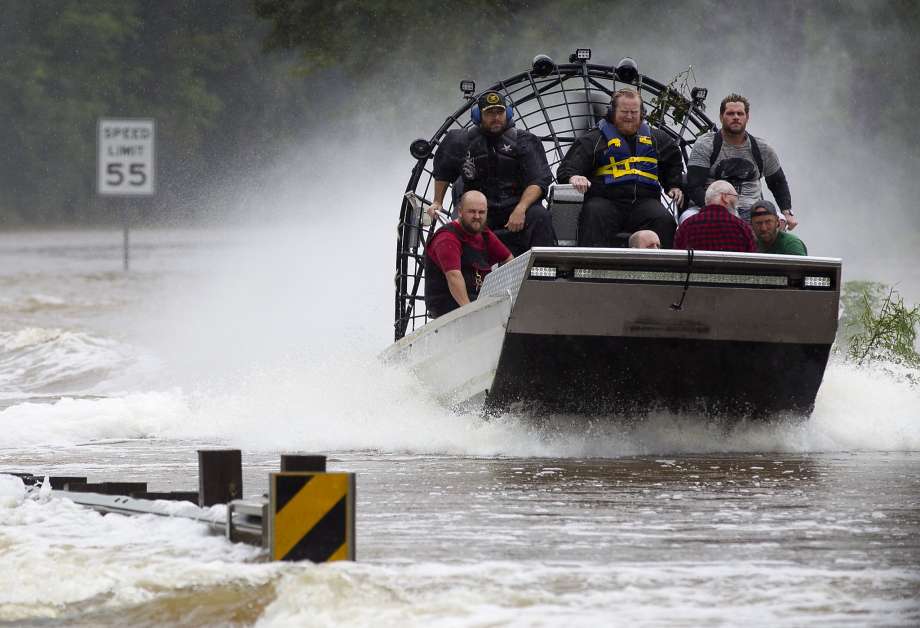
    LAFAYETTE, La. (AP) — A volunteer search and rescue group in Louisiana says it has changed its name to avoid confusion with a similarly named organization whose leader is accused of taking money from a fundraiser meant for children.

    The director of Pinnacle Search and Rescue, formerly known as Cajun Navy 2016, told KADN-TV it sped up its name change when the president of a separate group called America’s Cajun Navy was charged with fraud two weeks ago. News outlets report the change also comes as its own president, Jon Bridgers, faces fraud charges after a homeowner said he agreed to do contracting work on a house but never finished.

    Pinnacle Search and Rescue director Ben Husser said some were confusing the two organizations.

    Both groups include private boat owners who assist rescue operations.

  • Prison cadet accused of trying to smuggle contraband

    Prison cadet accused of trying to smuggle contraband

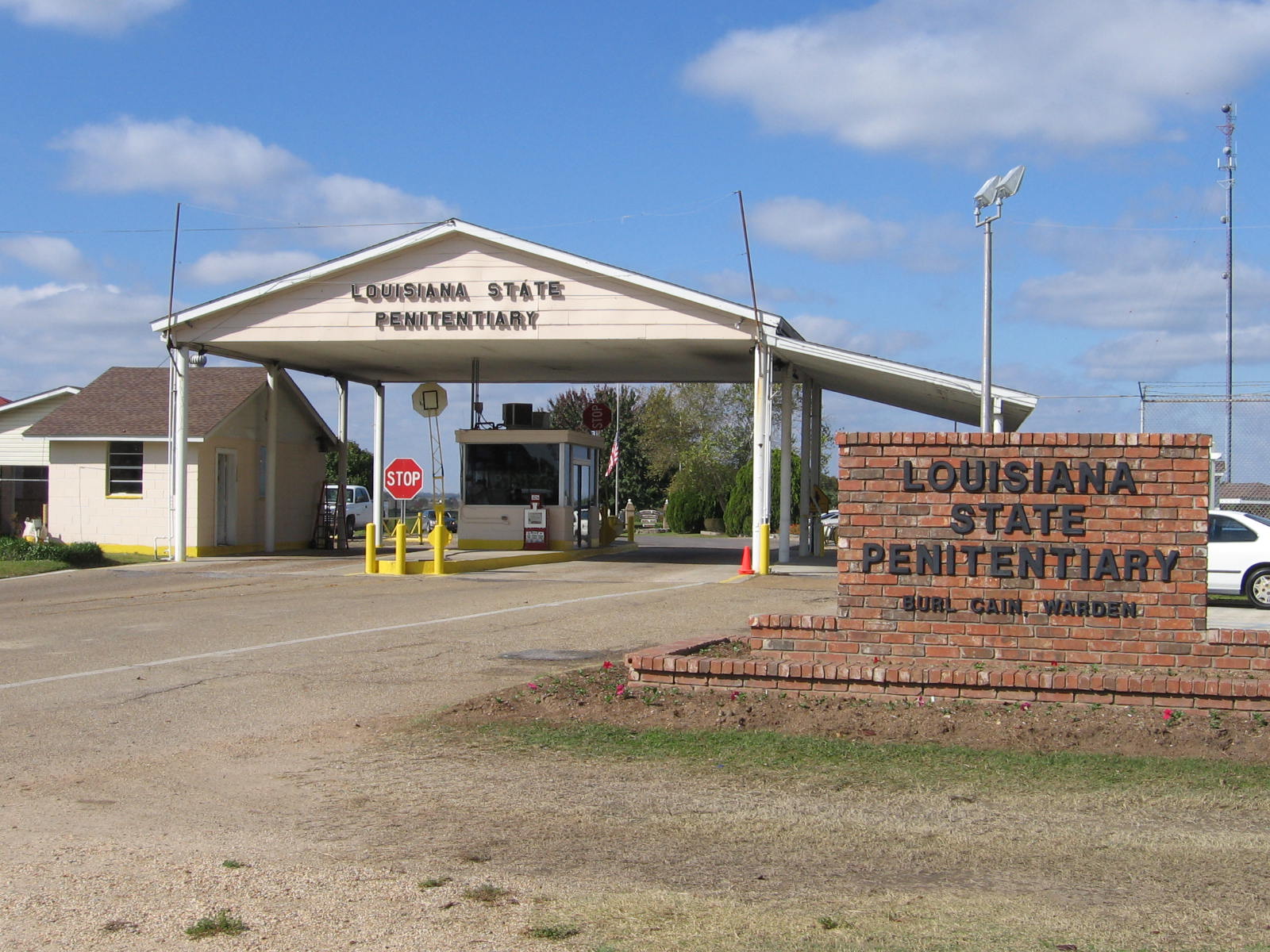
    ANGOLA, La. (AP) — Authorities say they found drugs, cellphones and other contraband inside the vehicle of a corrections cadet at the Louisiana State Penitentiary.

    In a news release, the Louisiana Department of Public Safety and Corrections said 49-year-old Diodelda Anderson of Natchez, Mississippi, was arrested Thursday when investigators intercepted an attempt to smuggle contraband at the prison.

    Authorities say a search of Anderson’s vehicle yielded marijuana, synthetic cannabinoid, three cellphones, two cellphone batteries, tobacco, rolling papers and cigarette lighters,

    Officials say Anderson began working at the prison in Angola in May and resigned during the investigation.

    Anderson is charged with introduction of contraband into a penal institution and malfeasance in office.

    It is unclear whether she has an attorney who could comment on the charges.

  • Survey: Louisiana youth interest in vaping is on the rise

    Survey: Louisiana youth interest in vaping is on the rise

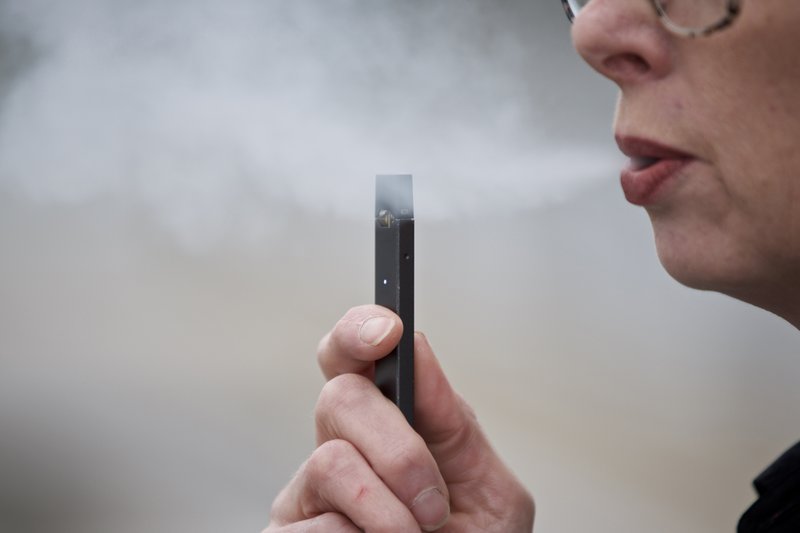
    NEW ORLEANS (AP) — Interest in e-cigarettes is growing among Louisiana’s middle school and high school students, despite deaths across the country attributed to vaping, according to a new survey.

    The Louisiana Campaign for Tobacco-Free Living found the number of students in the state who say they used vape products has doubled since 2017.

    The survey shows that in 2019, about 32% of high school students and 15% of middle school students in Louisiana reported vaping more than once, according to The Times-Picayune/The New Orleans Advocate. About one in four middle school students and half of high school students said they have tried vaping.

    Though e-cigarette purchases are limited to people ages 18 and older, a large portion of the students surveyed who vaped said they bought the devices from friends.

    Schools were randomly selected for the anonymous survey, which was optional for students to complete. About 2,700 students were surveyed.

    Most students said they tried vaping because they were curious, with those who vaped regularly saying they were influenced by friends or family members.

    Twenty-nine cases of vaping-related illness have been reported to the Louisiana Department of Health. The people involved ranged in age from 17 to 71, with a median age of 28. Over half said they used a mixture of nicotine and THC, the psychoactive compound in marijuana, in their e-cigarettes, while 21% reported using just nicotine.

    Nationally, 1,604 cases of lung injury from e-cigarette use have been reported across 49 states, with 34 deaths confirmed, according to the Centers for Disease Control and Prevention.