Blog

  • Louisiana Sheriff Adding Portraits Of 19th C Black Sheriffs

    Louisiana Sheriff Adding Portraits Of 19th C Black Sheriffs

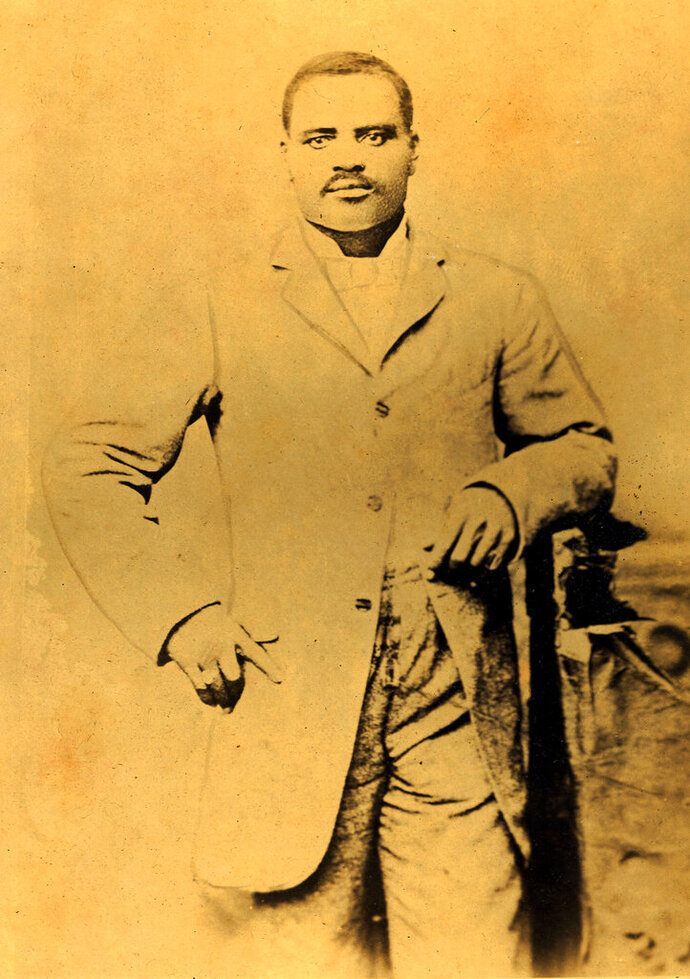
    HOUMA, La. (AP) — A south Louisiana sheriff is adding photographs of five 19th century African American sheriffs — two of whom went on to be state senators — to the portraits displayed in his office’s waiting room.

    “Terrebonne Parish’s African-American sheriffs played crucial roles at critical times in the development of our parish and our nation,” Sheriff Tim Soignet said in a news release Friday. “The photos … will ensure that their places in history are properly recognized.”

    He planned a ceremony at 1 p.m. Monday to add the pictures.

    Voters elected some during Reconstruction, which covered the post-Civil War years to 1876 in Louisiana, and some in the following 12 years, the news release said. Researchers were unable to find portraits of three other African American sheriffs who served between 1872 and 1888, said Deputy John DeSantis.

    The sheriff’s office doesn’t have pictures of all of the white sheriffs who served since the parish was founded in 1822, he noted.

    He said the Finding Our Roots African-American Museum in Houma and the Allen J. Ellender Memorial Library at Nicholls State University helped the sheriff’s office with the project.

    The first two sheriffs took office one after the other in 1872, because of a contested election. Amos Sims, who later became director of Terrebonne Parish schools, was the first. After a long recount, Washington “General” Lyons was then declared the winner. His posses faced rioting and labor unrest in 1874, said DeSantis, who wrote a book about a racial massacre in 1887 in Thibodeaux, the seat of neighboring Lafourche Parish.

    Jordan Stewart was sheriff from 1876 to 1878 and a state senator from 1884 to 1888.

    Thomas A. Cage, who had been born into slavery, was elected sheriff in 1880 and served until 1884. He was a state senator from 1888 to 1892.

    John Budd, elected in 1884, faced tumultuous labor arrest while also serving as Houma’s postmaster, appointed by President Chester A. Arthur.

    Exhaustive archival searches failed to turn up photos of Frederick Marie, elected in 1868; William Keys, 1870; and Alfred Kennedy, 1878, DeSantis said.

    The portrait project began under former Sheriff Jerry Larpenter. Soignet authorized it to continue when he took office in July.

    “We are still attempting to locate photos of them,” he said in an email.

    —-

    This story was first published on October 24, 2020. It was updated on October 25, 2020 to correct the spelling of the name of the library.

  • Louisiana District Suspends More Students For Online Weapons

    Louisiana District Suspends More Students For Online Weapons

    HARVEY, La. (AP) — A Louisiana school district that faced a backlash for suspending a student after a teacher saw a BB gun in his room during a virtual class has suspended at least three other students for weapons spotted during online learning.

    In the two newest cases in Jefferson Parish, a ninth grader at Thomas Jefferson High School for Advanced Studies in Gretna was seen picking up two butterfly knives and “flipping and twirling” them in his hands during a Sept. 21 lesson, The Times Picayune-New Orleans Advocate reported, citing school documents. And a seventh grader at Patrick F. Taylor Science & Technology Academy in Westwego was seen handling a katana, a type of sword.

    The students didn’t want to be named, but both are minorities who qualify for special education, their attorney, Victor Jones, told the newspaper. They are challenging their suspensions.

    Jones said the seventh grader has practiced with the katana as a hobby and had drawn a picture of it that, along with the sword, he showed to others in his class Oct. 12.

    Both suspensions violate the students’ right to due process, especially provisions in the law that protect special education students from discrimination, Jones said.

    The district — the state’s largest — has also suspended an additional student for having a BB gun, bringing the total number of students it has suspended for weapons spotted during virtual lessons to at least four, The Times Picayune-New Orleans Advocate reported.

    The newspaper said a Jefferson Parish school system spokesperson declined to comment on specific discipline cases, citing state law and system policy.

    Ka’Mauri Harrison, 9, was suspended in September for six days for violating a school policy banning weapons on school property and at school events after a teacher saw a BB gun in his room as he took a test via computer.

    Ka’Mauri, who is Black, was taking a test during an online class Sept. 11 when his brother walked into the room they share and tripped over a BB gun on the floor, according to a school behavior report. It said Ka’Mauri left his seat, out of view of the teacher, and returned with “what appeared to be a full-sized rifle in his possession.”

    The American Civil Liberties Union and National Rifle Association spoke out in defense of the boy, and Louisiana Attorney General Jeff Landry has said he’s looking into the possibility that the child’s constitutional rights were violated. Ka’Mauri’s family is suing the school district.

    The state Legislature also got involved, passing a bill that would require school districts to develop better discipline policies for online learning.

    The rules that led to the suspensions were aimed at keeping guns and weapons off school campuses and away from school sponsored activities, The Times Picayune-New Orleans Advocate said. In documents obtained by the newspaper, Jefferson Parish school officials have said those rules also apply to students attending virtual lessons while at home.

  • Lawsuit: Ex-Clerk Was Punished After Indictment Of Mayor

    Lawsuit: Ex-Clerk Was Punished After Indictment Of Mayor

    ABERDEEN, Miss. (AP) — A former city clerk in Mississippi says in a lawsuit that she was unjustly fired and she wants her old job back.

    Jackie Benson was the Aberdeen city clerk for 16 years. She was fired in July by Mayor Maurice Howard shortly after he won a second term.

    Benson has filed a lawsuit against the city and the mayor. The suit claims she was fired because she provided information to investigators with the state attorney general’s office that resulted in an embezzlement indictment against Howard, WCBI-TV reported.

    The mayor is accused of embezzling nearly $3,500 in city funds meant to pay for travel expenses related to city business. According to the Mississippi Office of the State Auditor, Howard sought and was paid advance checks for attending meetings and conferences on behalf of the city but then failed to actually attend the events. Howard has called the charges false and erroneous.

    A text message Sunday to a cell number listed for the mayor for comment on Benson’s suit was not immediately returned.

    In addition to seeking reinstatement to her job, Benson is seeking actual damages of $200,000 plus punitive damages, court costs and attorney fees.

  • Analysis: Mississippi US Senate Race Draws Outside Attention

    Analysis: Mississippi US Senate Race Draws Outside Attention

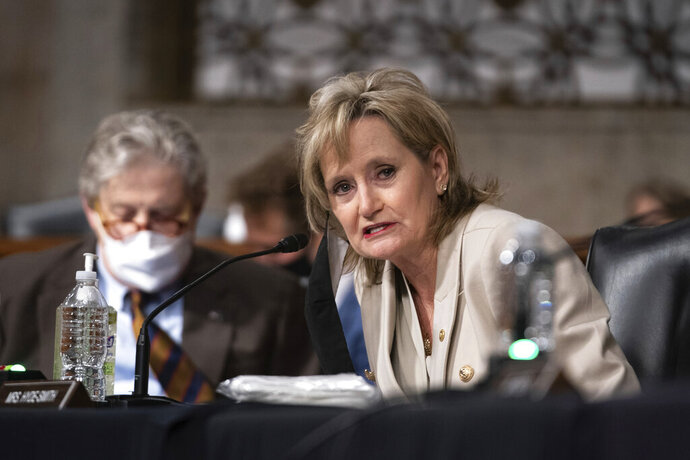
    JACKSON, Miss. (AP) — Democratic challenger Mike Espy and Republican incumbent Cindy Hyde-Smith are both receiving help from out-of-state politicians as they compete for a U.S. Senate seat in Mississippi.

    Hyde-Smith defeated Espy in a 2018 special election runoff, and now he’s trying to reverse that outcome. The previous election was to fill the final two years of a six-year term started by longtime Republican Sen. Thad Cochran. Hyde-Smith was the state agriculture commissioner when she was appointed to serve temporarily when Cochran retired because of health problems in the spring of 2018.

    This year’s election is for a full six-year term, and Republicans are trying to maintain their Senate majority.

    “Cindy Hyde-Smith is one of President Trump’s most ardent supporters in the U.S. Senate. And right now, she is under attack,” Republican Sen. Marsha Blackburn of Tennessee says in a short video on Hyde-Smith’s campaign website.

    Blackburn — who grew up in Laurel, Mississippi — says that two prominent Democratic women, Sen. Elizabeth Warren of Massachusetts and House Speaker Nancy Pelosi of California, are supporting Espy.

    “Now, we need your help for Cindy to send her back to the U.S. Senate so that she can be there to defend your freedoms, your liberties and to stand with President Trump,” Blackburn says.

    Espy, who is a former congressman and former U.S. agriculture secretary, received campaign help last week from a Democratic former governor of Massachusetts, Deval Patrick, who traveled to Jackson to speak at a luncheon for union members, civil rights activists and others who could be important to turning out the vote for Democrats.

    “There’s an unusually clear choice here in Mississippi and across the country, frankly, about whether we’re going to be about yesterday or be about tomorrow,” Patrick told The Associated Press in an interview after the event.

    Patrick said the coronavirus pandemic has exposed economic fragility and “measures of despair” in the U.S.

    “These are things that Black and brown communities have known for a long time, poor people have known for a long time,” Patrick said. “So, now everybody’s feeling it in one form or another. … And, frankly, Mike Espy is the only one talking about solutions.”

    That evening, Democratic Sen. Edward Markey of Massachusetts held an online event to promote Espy, with Espy and Patrick appearing together from the campaign office in Mississippi.

    Patrick also campaigned for Espy in Mississippi in 2018, as did New Jersey Sen. Cory Booker and California Sen. Kamala Harris, who’s now the Democratic nominee for vice president.

    If elected, Espy would become Mississippi’s first Black U.S. senator since Reconstruction. Hyde-Smith is the only woman to have represented Mississippi in either chamber of Congress.

    Espy picked up an endorsement last week from former President Barack Obama, who cut a radio ad. The Democratic presidential nominee, former Vice President Joe Biden, had endorsed Espy weeks earlier.

    The same day the Espy campaign announced his Obama endorsement, Hyde-Smith received a tweet of support from Trump, who campaigned for her in Mississippi during the 2018 race.

    Republicans hold all statewide offices in Mississippi, and voters in the state last elected a Democrat to the U.S. Senate in 1982, when they sent longtime incumbent John C. Stennis back to Washington for his final term.

    From July through September, the Espy campaign raised $4 million and the Hyde-Smith campaign raised $814,704, according to records filed with the Federal Election Commission.

    Donations flowed to Espy and many other Democratic candidates after the Sept. 18 death of Supreme Court Justice Ruth Bader Ginsburg. Like many in his party, Espy criticized Republicans for moving quickly to fill the Supreme Court vacancy.

    Hyde-Smith praised Trump for nominating a conservative appellate court judge, Amy Coney Barrett, to the nation’s top court, and she supports Barrett’s confirmation.

    ____

    Emily Wagster Pettus has covered Mississippi government and politics since 1994. Follow her on Twitter: http://twitter.com/EWagsterPettus.

  • Attorney Will Evaluate Mississippi Mental Health Services

    Attorney Will Evaluate Mississippi Mental Health Services

    JACKSON, Miss. (AP) — A special assistant attorney general in Mississippi has been appointed to a new role in state government as the coordinator of mental health accessibility.

    William Rosamond will evaluate the quality of mental health care to possibly change services offered in some counties. Mississippi Department of Finance and Administration executive director Liz Welch recently appointed him to the role, the Northeast Mississippi Daily Journal reported.

    Rosamond has previously provided legal counsel for the Mississippi Department of Mental Health.

    In the new role, he will have authority to evaluate what mental health services counties offer, review financial statements and move counties to a different community mental health region if a certain region’s services are inadequate.

    Senate Public Health Committee Chairman Hob Bryan, a Democrat from Amory, wrote the legislation that created the coordinator position and said he believes Rosamond is qualified.

    “He essentially has the authority to close a community mental health system,” Bryan said. “I don’t think that’s going to occur, but having that authority gives him the gravitas to find out what’s needed.”

    Bryan said he hopes Rosamond’s findings will resolve some issues the state faces in a long-running federal lawsuit.

    In September 2019, U.S. District Judge Carlton Reeves ruled that Mississippi’s mental health system was in violation of the Americans with Disabilities Act because of inadequate resources to treat people with mental illnesses. The state is in the process of complying with the court’s order to improve mental health services.

  • Louisiana governor urges residents to prepare for Zeta

    Louisiana governor urges residents to prepare for Zeta

    BATON ROUGE, La. (AP) — Louisiana Gov. John Bel Edwards is urging storm-weary residents to prepare for the possibility that Tropical Storm Zeta could hit the state as a hurricane in the middle of the week.

    Edwards said in a news release that his office is monitoring the forecast and will begin calls with the National Weather Service and parish emergency managers on Sunday. He said it’s too early to know the storm’s exact path, but the current tracking cone includes southeast Louisiana. The forecast also shows Zeta becoming a hurricane before landfall.

    Louisiana has already been pummeled this year by Hurricanes Laura and Delta.

    “It is unfortunate we face another tropical threat this late in a very active season,” Edwards said. “We must roll up our sleeves, like we always do, and prepare for a potential impact to Louisiana.”

    Zeta stalled Sunday in the western Caribbean, but forecasters said it posed the risk of a rain-heavy hurricane for Mexico’s resort-dotted Yucatan Peninsula and the U.S. Gulf Coast.

    Zeta was the earliest named 27th Atlantic storm recorded in an already historic hurricane season.

  • Election could stoke US marijuana market, sway Congress

    Election could stoke US marijuana market, sway Congress

    Voters in four states from different regions of the country could embrace broad legal marijuana sales on Election Day, and a sweep would highlight how public acceptance of cannabis is cutting across geography, demographics and the nation’s deep political divide.

    The Nov. 3 contests in New Jersey, Arizona, South Dakota and Montana will shape policies in those states while the battle for control of Congress and the White House could determine whether marijuana remains illegal at the federal level.

    Already, most Americans live in states where marijuana is legal in some form and 11 now have fully legalized the drug for adults — Alaska, California, Oregon, Washington, Nevada, Colorado, Michigan, Illinois, Massachusetts, Maine, and Vermont. It’s also legal in Washington, D.C.

    In conservative Mississippi, voters will consider competing ballot proposals that would legalize medicinal marijuana, which is allowed in 33 states.

    Nick Kovacevich, CEO of KushCo Holdings, which supplies packaging, vape hardware and solvents for the industry, called the election “monumental” for the future of marijuana.

    New Jersey, in particular, could prove a linchpin in the populous Northeast, leading New York and Pennsylvania toward broad legalization, he said.

    “It’s laying out a domino effect … that’s going to unlock the largest area of population behind the West Coast,” Kovacevich said.

    The cannabis initiatives will draw voters to the polls who could influence other races, including the tight U.S. Senate battle in Arizona.

    In Colorado, one supporter of legal cannabis could lose his seat. Republican Sen. Cory Gardner, who is struggling in an increasingly Democratic state where some in the industry have lost faith in his ability to get things done in Washington.

    Despite the spread of legalization in states and a largely hands-off approach under President Donald Trump, the Republican-controlled Senate has blocked cannabis reform, so under federal law marijuana remains illegal and in the same class as heroin or LSD. That has discouraged major banks from doing business with marijuana businesses, which also were left out in the coronavirus relief packages.

    “Change doesn’t come from Washington, but to Washington,” said Steve Hawkins, executive director of the Marijuana Policy Project. “States are sending a clear message to the federal government that their constituencies want to see cannabis legalization.”

    The presidential election could also influence federal marijuana policy, though the issue has been largely forgotten in a campaign dominated by the pandemic, health care and the nation’s wounded economy.

    Trump’s position remains somewhat opaque. He has said he is inclined to support bipartisan efforts to ease the U.S. ban on marijuana but hasn’t established a clear position on broader legalization. He’s appointed attorneys general who loath marijuana, but his administration has not launched crackdowns against businesses in states where pot is legal.

    Joe Biden has said he would decriminalize — but not legalize — the use of marijuana, while expunging all prior cannabis use convictions and ending jail time for drug use alone. But legalization advocates recall with disgust that he was a leading Senate supporter of a 1994 crime bill that sent droves of minor drug offenders to prison.

    Even if there are lingering doubts about Biden, the Democratic Party is clearly more welcoming to cannabis reform, especially its progressive wing. Vice presidential nominee and U.S. Sen. Kamala Harris of California has said making pot legal at the federal level is the “smart thing to do.”

    Familiar arguments are playing out across the states.

    Opponents fear children will be lured into use, roads will become drag strips for stoned drivers and widespread consumption will spike health care costs.

    Those backing legalization point out the market is already here, though in many cases still thriving underground, and argue that products should be tested for safety. Legal sales would mean tax money for education and other services, and social-justice issues are also in play, after decades of enforcement during the war on drugs.

    An added push this year could come from the virus-damaged economy — states are strapped for cash and legalized cannabis holds out the promise of a tax windfall. One Arizona estimate predicts $255 million a year would eventually flow for state and local governments, in Montana, $50 million.

    Despite the pandemic and challenges including heavy taxes and regulation, marijuana sales are climbing. Arcview Market Research/BDSA expects U.S. sales to climb to $16.3 billion this year, up from $12.4 billion in 2019.

    In New Jersey, voters are considering a constitutional amendment that would legalize marijuana use for people 21 and over. It’s attracted broad support in voter surveys. If approved, it’s unclear when shops would open. The amendment also subjects cannabis to the state’s sales tax, and lets towns and cities add local taxes.

    The Arizona measure known as Proposition 207 would let people 21 and older possess up to an ounce or a smaller quantity of concentrates, allow for sales at licensed retailers and for people to grow their own plants. Retail sales could start in May. State voters narrowly rejected a previous legalization effort in 2016.

    If Montana voters approve, sales would start in 2022. Montana passed a medicinal marijuana law in 2004 and updated it in 2016. The proposed law would allow only owners of current medical marijuana businesses to apply for licenses to grow and sell marijuana for the broader marketplace for the first year.

    Perhaps no other state epitomizes changing views more than solidly conservative South Dakota, which has some of the country’s strictest drug laws.

    The sparsely populated state could become the first to approve medicinal and adult-use marijuana at the same time. However, legalizing broad pot sales would be a jump for a state where lawmakers recently battled for nearly a year to legalize industrial hemp, a non-intoxicating cannabis plant.

    Meanwhile, a confusing situation has unfolded in Mississippi, after more than 100,000 registered voters petitioned to put Initiative 65 on the ballot. It would allow patients to use medical marijuana to treat debilitating conditions, as certified by physicians. But legislators put an alternative on the ballot, which sponsors of the original proposal consider an attempt to scuttle their effort.

    Hawkins is among those already looking toward 2021, when a new round of states could move toward legalization, including New York and New Mexico.

    “There is clearly a tide,” Hawkins said. “We are moving toward a critical mass of states that … will bring about the end of federal prohibition on cannabis.”

  • California Prosecutors Again Seek Death For Scott Peterson

    California Prosecutors Again Seek Death For Scott Peterson

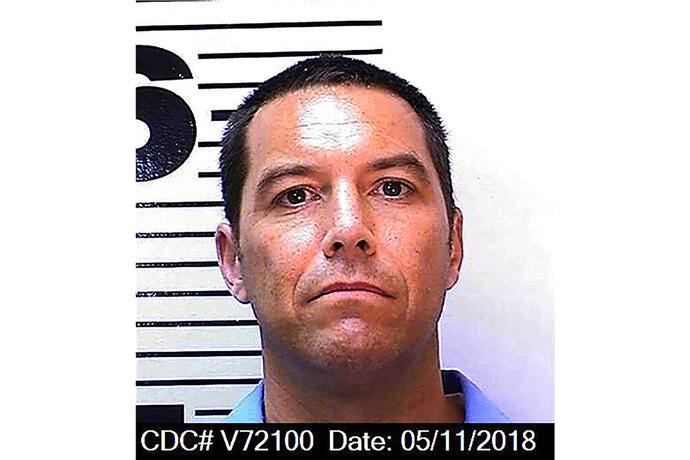
    SACRAMENTO, Calif. (AP) — California prosecutors said Friday they again will seek the death penalty for Scott Peterson even as a county judge considers throwing out his conviction for murdering his pregnant wife because of juror misconduct during a 2005 trial that riveted the nation.

    Stanislaus County Assistant District Attorney Dave Harris announced that it is prosecutors’ intention to retry the penalty phase of the case, spokesman John Goold said after a court hearing. He said prosecutors otherwise won’t comment or discuss the decision.

    Peterson, 47, wearing a buzz haircut and a mask designed to prevent the spread of the coronavirus, appeared remotely in the Modesto courtroom from San Quentin State Prison north of San Francisco, home to the state’s death row.

    District Attorney Birgit Fladager acted after the California Supreme Court in August overturned Peterson’s 2005 death sentence in a case that attracted worldwide attention.

    The state’s high court upheld his conviction in that ruling. But the same justices in October ordered a new hearing in San Mateo Superior Court to determine whether his underlying murder conviction must also be tossed out if a juror committed “prejudicial misconduct.”

    “He’s innocent — an innocent man’s been sitting in jail for 15 years. It’s time to get him out,” attorney Pat Harris told reporters outside the courtroom in explaining why he is again taking the case. He also was on Peterson’s original trial team alongside celebrity attorney Mark Geragos.

    Janey Peterson, his sister-in-law, said the family is looking forward to his new day in court.

    “We still need justice for Laci, Connor and Scott,” she told reporters. “We don’t have justice for Laci with Scott on death row, because Scott is innocent.”

    Peterson was convicted in San Mateo Superior Court after his trial was moved from Stanislaus County due to the massive pre-trial publicity that followed the Christmas Eve 2002 disappearance of 27-year-old Laci Peterson, who was eight months pregnant with their unborn son, Connor.

    Investigators say Peterson took the bodies from their Modesto home and dumped them from his fishing boat into San Francisco Bay, where they surfaced months later.

    The Supreme Court said his death sentence could not stand because potential jurors were improperly dismissed from the jury pool after saying they personally disagreed with the death penalty but would be willing to follow the law and impose it.

    In the second ruling, it ordered a San Mateo judge to decide whether the conviction itself must be overturned because one juror failed to disclose that she had sought a restraining order in 2000 against her boyfriend’s ex-girlfriend.

    The juror said in seeking the order that she feared for her unborn child.

    The San Mateo judge will have to decide if that was juror misconduct, and if so if it was so prejudicial that a new trial is warranted.

    Pat Harris said he was “sandbagged” by prosecutors’ surprisingly swift announcement that they would again seek the death penalty, and said he needs to consult with Peterson before agreeing to put off the penalty phase until the judge decides whether to throw out underlying conviction.

    They set a new court appearance for Nov. 6.

    “It’s been 15 long years, and as you can imagine there are ups and downs, but overall he was very happy that the court is basically taking a look at the motions, taking a look at the evidence, and has given him two separate chances here. So we’re excited about that,” Pat Harris said of Peterson’s reaction to the high court’s dual rulings.

    Peterson was convicted of first-degree murder of his wife and second-degree murder of his unborn son. Peterson was arrested after Amber Frey, a massage therapist living in Fresno, told police that they began dating a month before his wife’s death, but that he had told her his wife was dead.

    Despite throwing out the death penalty, the Supreme Court said there was considerable incriminating circumstantial evidence against Peterson, including that he researched ocean currents, bought a boat without telling anyone, and couldn’t explain what type of fish he was trying to catch that day.

    He also sold his wife’s car, considered selling their house, and turned the baby nursery into a storage room before their bodies were found, the court said in August, all indicating that “he already knew Laci and Conner were never coming back.”

    California has not executed anyone since 2006 because of legal challenges, and Democratic Gov. Gavin Newsom issued a moratorium on executions for as long as he is governor.

  • Fiasco Over Pope’s Cut Civil Union Quote Intensifies Impact

    Fiasco Over Pope’s Cut Civil Union Quote Intensifies Impact

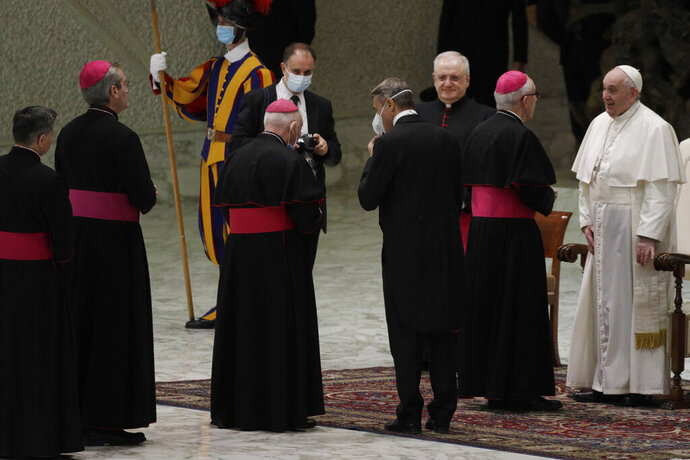
    ROME (AP) — The world premiere of a documentary on Pope Francis was supposed to have been a bright spot for a papacy locked down by a pandemic and besieged by a corruption scandal, recalling Francis’ glory days traveling the world to bless the oppressed.

    But the red carpet rollout of “Francesco” has been anything but bright, with evidence that the Vatican censored the pope last year by deleting his endorsement of same-sex civil unions from an interview, only to have the footage resurface in the new film.

    Aside from the firestorm the remarks created, the “Francesco” fiasco has highlighted the Vatican’s often self-inflicted communications wounds and Francis’ willingness to push his own agenda, even at the expense of fueling pushback from conservative Catholics.

    That pushback was swift and came from predictable corners: Cardinal Raymond Burke, Francis’ frequent nemesis on matters of doctrine, said the pope’s comments were devoid of any “magisterial weight.” But in a statement, Burke expressed concern that such personal opinions coming from the pope “generate great bewilderment and cause confusion and error among Catholic faithful.”

    The kerfuffle began Wednesday with the world premiere of “Francesco,” a feature-length film on Francis and the issues he cares most about: climate change, refugees and social inequality. Midway through, Francis delivers the bombshell quote that gays deserve to be part of the family and that he supported civil unions, or a “ley de convivencia civil” as he said in Spanish — to give them legal protections.

    Christopher Lamb of Britain’s The Tablet magazine, noted Friday that in some countries, the rights of gays are a life and death matter, and that Francis was merely positioning the church to defend LGBT Catholics from perhaps deadly discrimination.

    “The pope is willing to ‘break a few plates’ to ensure he communicates this Gospel-based message of compassion,” he tweeted.

    But the contents of the pope’s words were almost lost in the controversy that ensued over their origin.

    At first, film director Evgeny Afineevsky claimed Francis made them directly to him. Then one of Francis’ media advisers said they came from a 2019 interview with Mexican broadcaster Televisa, and were old news as a result.

    Televisa confirmed the origin of the quotes, but said they never aired. A source in Mexico said the Vatican, which used its own cameras to shoot the interview and provided raw footage to Televisa afterward, had deleted the civil union quote in question. The source spoke on condition of anonymity because he was not authorized to speak to the press.

    The Vatican has refused to comment and imposed something of a media blackout on the matter. None of the Vatican’s in-house media has reported on the cut quote, and on Friday the Il Fatto Quotidiano daily quoted an email from a staffer in the Vatican’s communications ministry to other staff saying there wouldn’t be any comment, but that “talks are underway to deal with the current media crisis.”

    It wasn’t the first time that the Vatican’s communications office has gone into crisis over apparently manipulated images. In 2018, Francis fired the first head of the office, Monsignor Dario Vigano, after he mischaracterized a private letter from retired Pope Benedict XVI, then had a photo of it digitally manipulated and sent out to the media.

    In both cases, journalists, who must play by Vatican rules in accepting handout footage of events covered exclusively by Vatican cameras, were misled into assuming the Holy See would abide by traditional journalistic ethics and provide them with unaltered images.

    Coincidentally, it was Vigano who first entertained a pitch for a documentary on Francis by Afineevsky, who was nominated for an Oscar for his 2015 documentary “Winter on Fire: Ukraine’s Fight for Freedom,” which opened the Venice Film Festival that year.

    In an Oct. 14 interview with The Associated Press, Afineevsky said he had asked the head of the Venice festival, Alberto Barbera, to help him make inroads with the Vatican, and that Barbera had provided an email of introduction to Vigano in late 2017.

    Afineevsky said Vigano, a known movie buff, was already familiar with his work and was open to the idea.

    “But he said, ‘Go. Start. Do it. I’m not promising you anything. We will see,’” Afineevsky said.

    After Vigano was ousted, his replacement, Paolo Ruffini, kept the line of communications open, as well as the doors to the Vatican television archives.

    Afineevsky had free range, and used them to tell the heart-lifting story of Francis’ seven-year papacy, largely through the eyes of the people he impacted. Coming out in the midst of a Vatican corruption scandal dominating Italian headlines for months, the film provided a nostalgic profile of a once globe-trotting papacy that in some ways ended with COVID-19.

    About midway through the film, Afineevsky recounts the story of Andrea Rubera, a married gay Catholic who wrote Francis asking for his advice about bringing into the church his three young children with his husband.

    It was an anguished question, given the Catholic Church teaches that gay people must be treated with dignity and respect but that homosexual acts are “intrinsically disordered.” The church also holds that marriage is an indissoluble union between man and woman, and that as a result, gay marriage is unacceptable.

    In the end, Rubera recounts how Francis urged him to approach his parish transparently and bring the children up in the faith, which he did. After the anecdote ends, the film cuts to Francis’ civil union comments in the Televisa interview.

    While it wasn’t clear in the documentary, Francis was merely recounting his position when he was archbishop of Buenos Aires: Then, the former Cardinal Jorge Mario Bergoglio endorsed extending legal civil union protections to gay couples as an alternative to moves to approve same-sex marriage, which he firmly opposed.

    As Francis’ biographer Austen Ivereigh recounts in “The Great Reformer,” Bergoglio had ministered to many gay Catholics in Argentina. “He knew their stories of rejection by their families,” Ivereigh wrote, and told gay activists that “he favored gay rights as well as legal recognition for civil unions, which gay couples could also access.”

    The hitch for the pope is a 2003 document from the Vatican’s doctrine office, which states the church’s respect for gay people “cannot lead in any way to approval of homosexual behavior or to legal recognition of homosexual unions.”

    That document was issued after Rome criticized Bergoglio for refusing to speak up strongly when Buenos Aires extended civil union protections to gay couples within the capital region in 2002, Ivereigh wrote.

    As pope, Francis had never come out publicly in favor of legal protections for civil unions, and no pontiff before him had, either.

    In fact the closest Francis had come before — a 2014 interview with Corriere della Sera in which he spoke in general terms about the need to evaluate such legislation — was followed by a clarification the next day by a Vatican media liaison.

    The Rev. James Martin, one of the leading priestly advocates for LGBT Catholics, said the controversy over the pope’s comments would in the end be helpful.

    “The intrigue over the video’s origin, and the explosive reaction to the pope’s ongoing support for LGBT people, make the pope’s words look more dangerous, and therefore more powerful,” he said.
  • Upbeat Trump Hits The Trail, Biden Tries Debate Cleanup

    Upbeat Trump Hits The Trail, Biden Tries Debate Cleanup

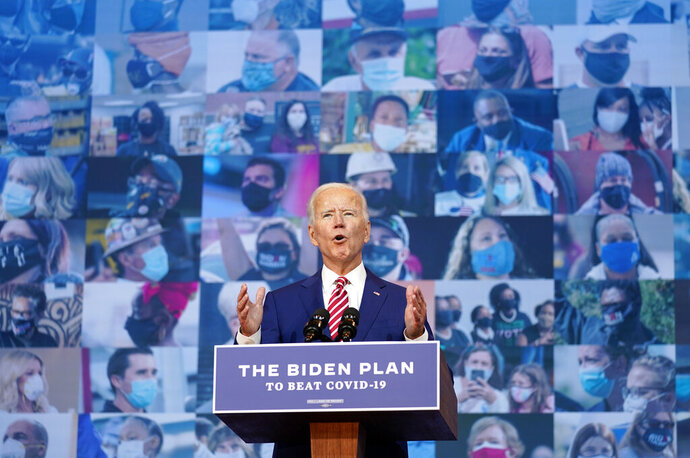
    WILMINGTON, Del. (AP) — President Donald Trump and his allies fought for momentum in election battleground states on Friday after a debate performance that gave new hope to anxious Republicans. Democrat Joe Biden tried to clean up a debate misstep while urging voters to stay focused on the president’s inability to control the worsening pandemic.

    The surge of activity with just 11 days remaining in the 2020 contest highlighted the candidates’ divergent strategies, styles and policy prescriptions shaping the election’s closing days. Nearly 50 million votes have already been cast, with an additional 100 million or so expected before a winner is declared.

    The coronavirus debate has pushed Trump onto the defensive for much of the fall, but for the moment it was Biden’s team that was forced to explain itself. In the final moments of Thursday’s debate, the former vice president said he supports a “transition” away from oil in the U.S. in favor of renewable energy. The campaign released a statement hours later declaring that he would phase out taxpayer subsidies for fossil fuel companies, not the industry altogether.

    While ending the nation’s reliance on fossil fuel is popular among many liberals, that prospect could hurt Biden among working-class voters in swing states such as Pennsylvania, Ohio and Texas who depend on the industry, and fracking in particular, to make a living.

    “Let’s be really clear about this: Joe Biden is not going to ban fracking,” running mate Kamala Harris told reporters in Georgia on Friday. “He is going to deal with the oil subsidies. You know, the president likes to take everything out of context. But let’s be clear, what Joe was talking about was banning subsidies, but he will not ban fracking in America.”

    Trump’s allies immediately began running new attack ads seizing on the Democrats’ inconsistent answers on energy. One ad unveiled Friday calls Biden and Harris “fracking liars.” Another claims Biden’s plans could cost up to 600,000 jobs in Pennsylvania alone.

    Speaking in the Oval Office before making multiple stops in Florida, Trump lapped up positive feedback for his toned-down debate performance, which marked a sharp shift away from his constant badgering of Biden in last month’s contest.

    “This was better,” an upbeat Trump said, predicting as always sweeping success on Election Day even as polls suggest he and his party are behind. “It’s going to be a great red wave like you’ve never seen before.”

    He planned to highlight Biden’s comments on oil when facing Florida seniors later in the day.

    “I showed that Joe Biden is totally controlled by the radical socialist left,” Trump said in his prepared remarks, contending that Biden “admitted that he wants to abolish the oil industry.”

    Both campaigns predictably claimed a boost from the televised debate that drew an audience of tens of millions. But with roughly one-third of expected ballots already cast through early voting, it is unclear how much the faceoff could alter the course of the campaign.

    The pandemic was the early focus of Thursday’s debate and it was the sole focus of Biden’s only public appearance on Friday close to his home in Delaware, which is hardly a swing state.

    During the debate, Trump rosily predicted that the pandemic, which is escalating in several states, will “go away;” Biden countered that the nation was headed toward “a dark winter.” The former vice president reiterated that theme Friday in Wilmington as he outlined a specific plan to contain the disease.

    If elected, Biden vowed to work with Congress to enact a new coronavirus relief package by the end of January after seeking input from Republican and Democratic governors. He also promised to encourage state leaders to implement mask mandates. Should they refuse, Biden said he would lean on municipal leaders to require universal mask wearing in their communities.

    “We’re more than eight months into this crisis, the president still doesn’t have a plan. He’s given up,” Biden charged. “I’m not going to shut down the country. I’m going to shut down the virus.”

    Even in the closing days of the race, the Democrat has maintained a cautious campaign schedule, citing the pandemic, while Trump has been a much more aggressive traveler. With Biden briefly appearing in Delaware, Trump was attending a pair of rallies in battleground Florida before casting an early ballot on Saturday in his adopted home state.

    For better or worse, Trump’s fate in Florida is likely tied to his leadership on the pandemic. And there are indications that the state’s large and vulnerable senior population has not been satisfied by his inability to enact any kind of comprehensive federal plan.

    “From the beginning, our top priority has been sheltering those at highest risk — including the elderly and those with underlying health conditions,” Trump was to tell voters at the sprawling central Florida retirement community known as the Villages, according to his prepared remarks.

    The president, who has belittled scientists who disagree with his statements on the pandemic, said, “I will use science, vaccines and medicine to rescue America’s seniors.”

    Trump has struggled to find a consistent line of attack against Biden for much of the year. Republicans have questioned Biden’s physical and mental stamina; they have raised unfounded allegations about his work in Ukraine, and they have attacked his grown son.

    GOP strategists believe, however, that the most effective attacks focus on Biden’s liberal policies. And for Friday, at least, Biden’s perceived misstep on fossil fuels gave Trump the opening his party had been looking for.

    Perhaps sensing that the comment could soon appear in Trump campaign ads, Biden did his own clean-up before boarding his plane after the debate, declaring, “We’re not going to ban fossil fuels. We’ll get rid of the subsidies of fossil fuels, but not going to get rid of fossil fuels for a long time.”

    He did not address his energy policy in his Friday speech.

    ——

    AP writer Bill Barrow in Atlanta contributed.