Category: COVID-19

  • Downtown New Orleans Deli Finds Hope Feeding Others In Need

    Downtown New Orleans Deli Finds Hope Feeding Others In Need

    NEW ORLEANS (AP) — The downtown lunchtime standby Welty’s Deli still makes its gargantuan sandwiches and hefty salads. Owners Tina Welty and Donald Welty still gab with the trickle of regulars coming in like old family friends around a kitchen table.

    Right now though, what’s keeping the lights on at Welty’s are meals bound for people they may never see.

    Every few days the Welty’s crew cooks up a big batch of pasta Bolognese, which is packed for individual meals by the hundreds and distributed to groups feeding local people in need.

    Welty’s can give out the meals for free because other people are footing the bill – paying to feed others, and to keep Welty’s working.

    “I never wanted to ask for help, never wanted to do a GoFundMe or anything, because I’m the one who usually does for other people,” said Tina Welty.

    “That’s why I like this,” she said. “This way we’re working, it’s not just not just someone handing out money, they’re paying us to cook for other people who are really in need right now.”

    It’s an idea linked to an ongoing city program feeding thousands of people around New Orleans, now customized at Welty’s and boosted with some celebrity intervention from Marucs Lemonis, host of CNBC’s reality business show “The Profit.”

    Lemonis, the businessman-turned-reality TV star, dubbed the program Tina’s BadA$$ Meal Program.

    It all runs through this mom-and-pop deli as it fights to survive the pandemic, and it’s taken shape in the holiday season of giving.

    ESTABLISHED “AK”

    Welty’s Deli got its start as New Orleans was first rebuilding from Hurricane Katrina. Donald Welty had cooked his way through New Orleans restaurants, from Tujague’s to Mr. B’s Bistro. Tina Welty’s family had been in the restaurant business for generations. They answered the call to reinvest in New Orleans in the early, shaky Katrina recovery period and started their own business in 2005, taking over what had been the Sweet Olive Café.

    The deli’s biggest, baddest sandwich is dubbed New Orleans AK (for “after Katrina”), which packs half a deli-worth of sliced meats and cheeses onto a muffuletta loaf. At $15, it’s a sandwich that can feed you through a weekend.

    Welty’s inspires loyalty in its customers. Those who sense a newcomer at the counter mulling an order are liable to start advocating for their favorite dishes, and then add anecdotes about the staff.

    The trouble for Welty’s is that few of their regular customers are working downtown right now, with so many of the nearby offices in remote work mode. Coupled with badly depleted downtown hotels, it’s had a drastic impact on businesses here, and Welty’s has been pushed to the brink.

    Welty’s is one of many restaurants cooking for the city’s community feeding program, which since the summer has been paying restaurants to prepare meals for people impacted by the pandemic. That program continues through Dec. 31, and New Orleans residents can assess their eligibility and sign up to receive these meals at ready.nola.gov/meals or by calling 311.

    Without that program’s revenue, Tina Welty said, the restaurant would have closed months ago. Even still, the business has continued to rack up debt to stay afloat and fell behind on rent.

    “I’ve curled in a ball and cried, but we have to keep fighting,” she said. “We love what we do, we love what we have here. We don’t want to lose it.”

    Just before Thanksgiving, Tina Welty met (virtually) with Lemonis for an interview for “The Profit.” Lemonis worked up a program for Welty’s to expand its community meals with direct support from its customers and the public. To get it going, he contributed $20,000 to pay for 2,000 such meals and challenged her to scale the program up.

    The deli added a link to its website, weltysdeli.com, where people can buy meals at $10 each, which are bundled into large orders and sent to the local charitable groups.

    Welty’s is sending the meals to organizations like Bridge House and Grace House. She’s working now with Meals for Musicians, the program set up at Howlin’ Wolf music club to feed musicians, artists and hospitality workers struggling with the shutdowns.

    If this program can continue to pay the bills until some semblance of downtown business returns remains to be seen. But after just a week, Welty is encouraged by the response. These orders for others might come through one at a time, or in double digit numbers.

    “Some are from our regulars, some are from people I don’t know from Adam,” Welty said. “It’s been incredible.”

    Cooking one dish simplifies supply and logistics. And that pasta Bolognese is a dish Welty can stand behind.

    “My grandmother came over from Italy, I grew up in Gentilly in a family of beautiful, love-to-feed-people Italian women, this is the kind of thing they’d cook,” she said. “It’s something that’s yummy, good, like a big hug around you, but it still lets me make a little money and stay in business.”

  • Analysis: Louisiana Officials Urge Embrace Of Virus Vaccine

    Analysis: Louisiana Officials Urge Embrace Of Virus Vaccine

    BATON ROUGE, La. (AP) — With a coronavirus vaccine expected to be widely available within months, Louisiana’s governor and public health leaders are looking ahead to the latest pandemic challenge: persuading people to willingly get vaccinated.

    View all (2)

    Louisiana’s health department is planning a widespread marketing and community outreach effort, Gov. John Bel Edwards regularly talks of his trust in the drugs’ safety and officials describe being willing and ready to receive the vaccine when it’s available.

    But like everything else involving the COVID-19 disease caused by the coronavirus, reaching the levels of vaccination that health experts say is needed to achieve herd immunity — when enough people have protection from the disease to stop its spread — will be tricky.

    Vaccination efforts will run into worries about potential side effects and risk, disinterest from people who don’t believe the coronavirus is as dangerous as health officials say it is and outright resistance from COVID-19 deniers and conspiracy theorists. They’ll encounter distrust from Black communities who can point to historic examples of medical experimentation and abuse.

    Concerns about vaccine refusals are nationwide, and federal and state health leaders seem to understand the problems they face getting some people to welcome the shot, based on the messaging they’ve already started.

    When Adm. Brett Giroir visited Louisiana on Wednesday, the federal assistant health secretary who oversees U.S. testing operations for the Trump administration tried to alleviate fears about the vaccines from Pfizer and Moderna. Those two vaccines appear on track to receive authorization for use from the Food and Drug Administration this month.

    “I can assure you that when the vaccine is authorized … that the American people can be confident in its safety and efficacy, and I tell you when it’s my turn in line, I will certainly be there,” Giroir said.

    Louisiana’s plans for distributing a coronavirus vaccine prioritize hospital employees and those who live and work in nursing homes for the first available doses, expected to be distributed this month. The broader outline of who should be first in line for later rounds remains to be settled.

    Widespread vaccine availability isn’t expected until mid-2021 or later. Each person must receive two doses three to four weeks apart for the vaccine to work correctly.

    That gives Louisiana — and other states — time to build up acceptance of the coronavirus vaccine, hoping that the earliest rounds of immunization offer few adverse effects and that will reassure others to line up for shots.

    U.S. Sen. Bill Cassidy, a doctor, said he believes skeptical people will become more comfortable as they know others who have received the vaccine.

    “I tend to think that once the nurse who’s been vaccinated says to her friend at the Cub Scout meeting, ‘Oh, I took the vaccine. Don’t worry. My arm was sore, but it’s over, and now I’m much more comfortable that I’m not bringing infection home to my family,’ she will reassure those other moms and dads who will then reassure their parents and their children,” Cassidy said Tuesday in a call with reporters.

    And the Republican added: “If it’s indicated for me, I will take it.”

    Many prominent people are offering similar encouragement. Former Presidents Barack Obama, George W. Bush and Bill Clinton have said they would publicly take a coronavirus vaccine when it’s available in hopes of persuading others to do the same.

    The Louisiana Department of Health plans a significant marketing campaign, on social media, on radio, in newspapers, on billboards and in TV spots to let people know the vaccine is coming and try to build confidence. Early digital and social media ads could begin next week.

    But the effort will go beyond traditional advertising. It will involve a grassroots campaign engaging leaders trusted in local communities to also help share information and encouragement about the vaccine.

    “I have every confidence it is safe and effective, but that confidence that I have doesn’t immediately translate to somebody else, and we understand that,” Edwards said.’

    The Democratic governor said his messaging would focus on the thousands of people who have been in the vaccine’s ongoing clinical trials and the safety steps involved in the process.

    “They need to know that it’s been tested in people who look like them and it’s been found to be effective and safe, and then you have to have people who look like them spreading that message as well,” Edwards said.

    ___

    EDITOR’S NOTE: Melinda Deslatte has covered Louisiana politics for The Associated Press since 2000. Follow her at http://twitter.com/melindadeslatte.

  • Analysis: Public Health Officials Under Strain Amid Pandemic

    Analysis: Public Health Officials Under Strain Amid Pandemic

    JACKSON, Miss. (AP) — Mississippi public health officials are working long hours during the coronavirus pandemic, providing information about caseloads and giving warnings that many people choose to simply ignore.

    The strain has been evident for months on the face of the state health officer, Dr. Thomas Dobbs, an infectious disease specialist who served as Mississippi’s state epidemiologist before being named to the top job in the state Health Department in 2018.

    Like many at the Health Department, Dobbs has had little time off work since the first coronavirus cases were found in Mississippi in March. He and the current state epidemiologist, Dr. Paul Byers, have appeared at dozens of news conferences to answer questions about COVID-19 — sometimes with Gov. Tate Reeves and sometimes with other physicians from the Mississippi State Medical Association.

    During an online news conference last week, a reporter from WTVA-TV in Tupelo said a local physician had questioned the accuracy of the rapidly rising numbers of coronavirus cases by suggesting that one person being tested three times counts as three cases. The station reported that the person making this assertion was the director of some urgent care clinics in Tupelo — someone who, it turns out, is not a physician but does work in the health care industry.

    Dobbs responded loudly, with anger and frustration in his voice.

    “What a bunch of bull crap,” Dobbs said. “How many times do I have to tell people? … One person is a case. If you tested a person 3,000 times, it’s one case. Quit buying into crazy nonsense. This is dangerous. People are dying. Quit making up stupid excuses, all right? … We’re working here all night and people are making up B.S. Unbelievable.”

    Dobbs has repeatedly expressed frustration at people’s insistence on attending social events and extracurricular school activities, including sports competitions.

    “Our hierarchy of prioritization is extremely stupid,” Dobbs said during a Nov. 13 briefing with the medical association. “’We’re prioritizing youth sports, not only over academics. We’re actually prioritizing it over community health, just to be honest.

    “And I’m not saying there’s no intrinsic value to sports,” Dobbs said. “I love sports. … But sometimes we’ve got to take a break. Sometimes we have to modify our stuff. And, you know, people lost their minds when you couldn’t have … stadiums full of football folks. Please, everybody do a little soul searching and understand: are we making the right decision with this? We are all connected.”

    Mississippi’s population is just under 3 million, and the state had about 4,000 coronavirus deaths by late last week. That’s more than one death for every 1,000 residents — a grim marker the state passed weeks ago.

    The Mississippi State Medical Association issued a statement Nov. 25 supporting physicians who have called on the governor to reinstate a statewide mask mandate.

    “The COVID-19 pandemic has impacted health care delivery at every level,” said Dr. Claude Brunson, the association director. “Our state’s health care system cannot continue to bear the overwhelming strain of the outbreak at its current state.”

    From early August through late September, Reeves had an executive order requiring people in all parts of Mississippi to wear masks in public places. Since the order expired, the Republican governor has required masks in counties with the highest rates of virus transmission. By last week, he had a mask mandate in 54 of the 82 counties.

    Dobbs, as head of the Health Department, works closely with the governor and has not publicly second-guessed Reeves on mask policies. During the news conference with Byers last week, Dobbs said: “I’m worried that the mask conversation is distracting from the real threat” — people carrying on with parties and other nonessential activities while the virus is rampant.

    ____

    Emily Wagster Pettus has covered Mississippi government and politics since 1994. Follow her on Twitter: http://twitter.com/EWagsterPettus.

  • Mississippi Coast Cities Cancel Or Alter Holiday Events

    Mississippi Coast Cities Cancel Or Alter Holiday Events

    PASCAGOULA, Miss. (AP) — The uptick in coronavirus cases is causing many cities across the Mississippi Gulf Coast to cancel or alter their holiday celebrations.

    WLOX reports that Pascagoula on Wednesday canceled its annual Downtown for the Holidays event. Other events that have been canceled include the Ocean Springs Christmas parade and D’Iberville’s Santa’s Workshop, a tree lighting and a parade. In Biloxi, the tree lighting will be held virtually.

    Pascagoula Mayor Steve Demetropoulous, who is also a physician, said it’s not worth it to take the risk of having the holiday event.

    “With more new infections come more hospitalizations and more deaths,” Demetropoulos said. “A public health advisory was sent out … to cancel all other social events where there’s large gatherings of people.”

    In Gautier, officials are still going forward with their Lights and Lagniappe on the Bayou event but will take extra precautions. People will be able to watch the events, which include a Christmas tree lighting and a fireworks display, from vehicles. Gift bags for children will be placed on the hoods of cars.

    For some business owners, the cancelation of holiday events has financial repercussions. Chris Batterman owns Jack’s by the Tracks in Pascagoula, and he worries about curtailing holiday festivities.

    “As long as they keep telling people, ‘Don’t go see your family, don’t hangout in groups, don’t do this, don’t do that, don’t travel,’ well, that’s essentially shutting everything down,” Batterman said.

  • In Face Of ‘Grim’ Jobs Report, Biden Backs More COVID-19 Aid

    In Face Of ‘Grim’ Jobs Report, Biden Backs More COVID-19 Aid

    WILMINGTON, Del. (AP) — President-elect Joe Biden is pushing ahead with his call for massive economic stimulus as the economic recovery from this spring’s coronavirus lockdowns falters amid a nationwide spike in COVID-19 cases.

    Biden was to deliver remarks Friday afternoon reacting to November’s national jobs report, which showed a sharp decrease in U.S. hiring even as the nation is about 10 million jobs below pre-pandemic levels.

    Surging cases of the virus have led states and municipalities to roll back their re-opening plans. And more restrictions may be on the way as colder temperatures and holiday travellead to new records for confirmed cases and deaths.

    “This is a grim jobs report,” Biden said in a statement ahead of his speech. “It shows an economy that is stalling. It confirms we remain in the midst of one of the worst economic and jobs crises in modern history.”

    While Biden has thrown his support behind a bipartisan economic relief bill of about $900 billion, he has said much more will be needed once he takes office next year.

    “Congress and President Trump must get a deal done for the American people,” Biden said. “But any package passed in the lame duck session is not enough. It’s just the start.”

  • Louisiana’s Coronavirus Vaccine Plans Starting To Take Shape

    Louisiana’s Coronavirus Vaccine Plans Starting To Take Shape

    BATON ROUGE, La. (AP) — Louisiana’s plans for distributing a coronavirus vaccine prioritize hospital employees and those who live and work in nursing homes, but the broader outline of who’s next in line when more doses reach the state remains unsettled.

    Gov. John Bel Edwards has said he expects Louisiana to begin receiving shipments of the vaccine this month, if federal approval comes through as anticipated. Behind the scenes, state and federal officials and health care facilities are working to ready storage and distribution plans to move those doses quickly into people’s arms.

    But tough decisions are ahead about how to divvy up the small number of immunizations Louisiana will receive in the earliest months to combat the COVID-19 disease caused by the coronavirus, which has killed more than 6,200 people in the state. A similar set of difficult decisions faces all states.

    WHEN WILL A VACCINE BE AVAILABLE?

    No vaccine has been authorized for use in the United States, but preliminary results of ongoing clinical trials have been encouraging for Pfizer’s and Moderna’s candidates. If the Food and Drug Administration allows emergency use of one or both vaccines, there will be limited, rationed supplies before the end of the year.

    When Adm. Brett Giroir visited Louisiana on Wednesday, the federal assistant health secretary who oversees U.S. testing operations for President Donald Trump’s administration said roughly 20 million people should be vaccinated by early next year. Each person must receive two doses three to four weeks apart.

    The first shipment of vaccines, if authorized by the FDA, will contain about 6.5 million doses to be divvied up across the country on a population basis, Giroir said, with additional weekly shipments to follow.

    Edwards said Louisiana’s share is 1.46% of the available doses to be shipped to states and municipalities. The Democratic governor said Louisiana expects to receive about 40,000 doses in the first week shipments go out, and a similar amount the next week.

    Widespread vaccine availability isn’t expected until mid-2021 or later.

    WHO’S FIRST IN LINE?

    Governors have the ultimate say on how the vaccines will be distributed in their states.

    For the earliest doses, Louisiana is prioritizing hospital workers who regularly encounter COVID-19 patients and nursing home residents and staff, in line with recommendations from a panel of scientific experts that advises the U.S. Centers for Disease Control and Prevention.

    Edwards said hospitals will receive the Pfizer vaccine because most hospitals have the ultra-cold storage capacity those doses require. The Moderna vaccine will go to nursing homes. Most nursing homes in Louisiana have agreed to contract with either CVS Pharmacy or Walgreens to administer the vaccines at the facilities, Edwards said.

    WHO’S NEXT?

    Louisiana is still determining who should be next in line for vaccination after hospital workers and nursing home residents and staff.

    A draft report submitted to federal officials by the Louisiana Department of Health in mid-October outlined who should be in the second phase of vaccine distribution for the state: K-12 teachers and staff; child care workers; people in “high-risk” settings and essential jobs, such as first responders; people in homeless shelters, group homes for individuals with disabilities and staff at those facilities; prisoners and their guards; older adults; and people with health conditions that put them at greater risk of severe COVID-19 infection.

    But that’s a long list, and exactly which groups will move to the front of the line in that second phase remains unclear. Giroir said choosing will cause “a lot of controversy” across states.

    “There are good arguments for essential workers and first responders, but if your hospitals are almost full or overwhelmed, there’s going to be a larger argument for immunizing the people who would be in the hospitals,” such as the elderly or people with hypertension, obesity and other COVID-19 health risks.

    Edwards said “to the maximum degree possible” he will follow the recommendations of the CDC advisory group. But he also said state officials still are working on their list.

    “We do have some time to prepare for that next order of priority and how that’s going to be done,” the governor said.

    ___

    Follow AP’s coverage of the pandemic at https://apnews.com/hub/coronavirus-pandemic and https://apnews.com/UnderstandingtheOutbreak. Follow Melinda Deslatte on Twitter at http://twitter.com/melindadeslatte.

  • Louisiana Treasurer Hospitalized For COVID-19 Treatment

    Louisiana Treasurer Hospitalized For COVID-19 Treatment

    BATON ROUGE, La. (AP) — Louisiana state Treasurer John Schroder was hospitalized with COVID-19 and was being treated for respiratory symptoms, his office announced Thursday.

    The Republican treasurer tested positive for the disease caused by the coronavirus shortly before Thanksgiving, according to Schroder spokesperson Michelle Millhollon.

    She said in a statement that the treasurer “experienced breathing difficulties this week that required treatment. He is responding well. He is comfortable. And he is texting up a storm.”

    “Because he had to cancel meetings and step away from the Main Street Recovery Program (a business grant program), he wanted to inform the public about his condition. He encourages everyone to protect themselves as best they can from this virus and hopes to be back at the state Capitol by the first of the year,” Millhollon said.

    Schroder, 59, is a former member of the state House of Representatives who has been in elected office as state treasurer since 2017. Louisiana’s treasurer is the state banker, in charge of investing, disbursing and managing the state’s money and its savings accounts. He also chairs the Bond Commission, which oversees state borrowing and debt levels.

    Meanwhile, U.S. Rep. Mike Johnson told The Shreveport Times on Thursday that both he and his wife were infected with COVID-19 recently, quarantined at home and have recovered. Johnson, a Republican from Benton, represents a northwest Louisiana-based district.

    “Congressman Johnson worked throughout his illness from home, and is back now serving the constituents of Louisiana’s 4th Congressional District in his full capacity,” his spokesperson, Whitley Alexander, said in a statement.

    Also Thursday, Republican U.S. Rep. Garret Graves from Baton Rouge announced he was exposed to the coronavirus and will quarantine.

    “He will be tested and is making arrangements to safely travel back to Louisiana,” the 6th District congressman’s office said.

  • US Jobless Claims Remain High At 712,000 As Virus Escalates

    US Jobless Claims Remain High At 712,000 As Virus Escalates

    WASHINGTON (AP) — The number of Americans applying for unemployment benefits fell as the nation celebrated Thanksgiving last week to a still-high 712,000, the latest sign that the U.S. economy and job market remain under stress from the intensified viral outbreak.

    Thursday’s report from the Labor Department said that initial claims for jobless aid dropped from 787,000 the week before. Before the virus paralyzed the economy in March, the number of people applying for unemployment benefits each week had typically amounted to roughly 225,000. The chronically high pace of applications shows that nearly nine months after the pandemic struck, many employers are still slashing jobs.

    “Thanksgiving seasonals likely explain the drop” in jobless claims last week, Ian Shepherdson, chief economist at Pantheon Macroeconomics, wrote in a research note. “Expect a rebound next week.”

    The total number of people who are continuing to receive traditional state unemployment benefits declined to 5.5 million from 6.1 million. That figure is down sharply from its peak of nearly 23 million in May. It means that some jobless Americans are finding jobs and no longer receiving aid. But it also indicates that many of the unemployed have used up their state benefits, which typically expire after six months.

    With layoffs still elevated and new confirmed viral cases in the United States now exceeding 160,000 a day on average, the economy’s modest recovery is increasingly in danger. States and cities are issuing mask mandates, limiting the size of gatherings, restricting restaurant dining, closing gyms or reducing the hours and capacity of bars, stores and other businesses.

    Most experts say the economy won’t be able to sustain a recovery until the virus is brought under control with an effective and widely used vaccine.

    Many jobless Americans are now collecting checks under two federal programs that were set up this year to ease the economic pain inflicted by the pandemic. But those programs are set to expire the day after Christmas. When they do, benefits will end completely for an estimated 9.1 million unemployed people.

    The number of people collecting aid under one of those programs — the Pandemic Unemployment Assistance program, which offers coverage to gig workers and others who don’t qualify for traditional benefits — fell by 339,000 to 8.9 million for the week ending Nov. 14.

    But the number of people receiving aid under the second program — the Pandemic Emergency Unemployment Compensation program, which provides 13 weeks of federal benefits to people who have exhausted their state aid — rose by 60,000 to 4.6 million.

    All told, roughly 20.2 million people are now receiving some type of unemployment aid. (Figures for the two pandemic-related programs aren’t adjusted for seasonal variations.)

    Still, the Government Accountability Office, a federal watchdog, has concluded that the jobless claims numbers are being distorted by flaws in the way the government collects the data. The GAO said the problem arose because the Labor Department uses state numbers as a proxy for the number of people claiming benefits nationwide. But backlogs in state processing of claims and other data-collection problems have resulted in inaccurate counts, the GAO reported.

    For months, Congress has failed to agree on any new stimulus aid for jobless individuals and struggling businesses after the expiration of a multi-trillion dollar rescue package enacted in March. This week, though, efforts to forge some limited short-term rescue package have intensified. Democrats have scaled back their demands for a $2 trillion-plus measure by more than half in hopes of breaking the logjam.

    Democratic leaders have given their support to a nearly $1 trillion package as a “basis” for discussions. This plan would establish a $300-a-week jobless benefit, send $160 billion to help state and local governments, boost schools and universities, revive “paycheck protection” subsidies for businesses and bail out transit systems and airlines. So far, though, Senate Majority Leader Mitch McConnell has been unwilling to abandon a $550 million Senate Republican plan that failed twice this fall.

    President-elect Joe Biden lent his support to the bipartisan effort Wednesday, saying the developing aid package “wouldn’t be the answer, but it would be the immediate help for a lot of things.” Biden said he wants a relief bill to pass Congress now, with more aid to follow next year.

    Regardless of what happens on Capitol Hill, the promise of a vaccine could help ease the health and economic crises in coming months. In the meantime, with the virus still raging, the economic damage has become increasingly visible. The data firm Homebase reportsthat its measures of job market health — employees working, hours worked and businesses open — have deteriorated from where they stood in the summer.

    “We expect conditions to worsen, placing increased pressure on Main Street as small businesses continue to struggle to survive,″ Homebase researchers wrote.

    Likewise, the data firm Womply estimates that 21% of small businesses were shuttered at the start of November, up from June’s 16% rate. Womply also said that consumer spending at local businesses declined 30% last month from a year earlier, marking a deterioration from a 20% year-over-year decline in October.

    Americans are bracing for the picture to worsen: Thirty percent of adults surveyed by the Commerce Department from Nov. 11 to 23 reported that they or someone in their household expected to lose income in the next four weeks, up from 23% of those surveyed from Sept. 30 to Oct. 12.

  • US Virus Deaths Top 3,100 In A Single Day For The First Time

    US Virus Deaths Top 3,100 In A Single Day For The First Time

    The U.S. recorded over 3,100 COVID-19 deaths in a single day, obliterating the record set last spring, while the number of Americans hospitalized with the virus has eclipsed 100,000 for the first time and new cases have begun topping 200,000 a day, according to figures released Thursday.

    The three benchmarks altogether showed a country slipping deeper into crisis, with perhaps the worst yet to come, in part because of the delayed effects from Thanksgiving, when millions of Americans disregarded warnings to stay home and celebrate only with members of their household.

    Across the U.S., the surge has swamped hospitals and left nurses and other health care workers shorthanded and burned out.

    “The reality is December and January and February are going to be rough times. I actually believe they are going to be the most difficult time in the public health history of this nation,” Dr. Robert Redfield, head of the Centers for Disease Control and Prevention, said Wednesday.

    Health authorities had warned that the numbers could fluctuate strongly before and after Thanksgiving, as they often do around holidays and weekends, when because of reporting delays, figures often drop, then rise sharply a few days later as state and local agencies catch up with the backlog.

    Still, deaths, hospitalizations and cases in the U.S. have been on a fairly steady rise for weeks, sometimes breaking records for days on end.

    Nationwide the coronavirus is blamed for over 270,000 deaths and about 14 million confirmed infections.

    The U.S. recorded 3,157 deaths on Wednesday, according to the tally kept by Johns Hopkins University. That’s more than the number of people killed on 9/11, and it shattered the old mark of 2,603, set on April 15, when the New York metropolitan area was the epicenter of the U.S. outbreak.

    The number of people in the hospital likewise set an all-time high Wednesday, according to the COVID Tracking Project. It has more than doubled over the past month.

    Also, the number of newly confirmed infections climbed just over 200,000 Wednesday for the second time in less than a week, by Johns Hopkins’ count.

  • Louisiana’s COVID-19 Hospitalizations Continue Their Spike

    Louisiana’s COVID-19 Hospitalizations Continue Their Spike

    BATON ROUGE, La. (AP) — The number of COVID-19 patients in Louisiana’s hospitals continued its steady climb Tuesday, intensifying worries that coronavirus cases from Thanksgiving holiday gatherings will balloon the number further and could overwhelm hospitals.

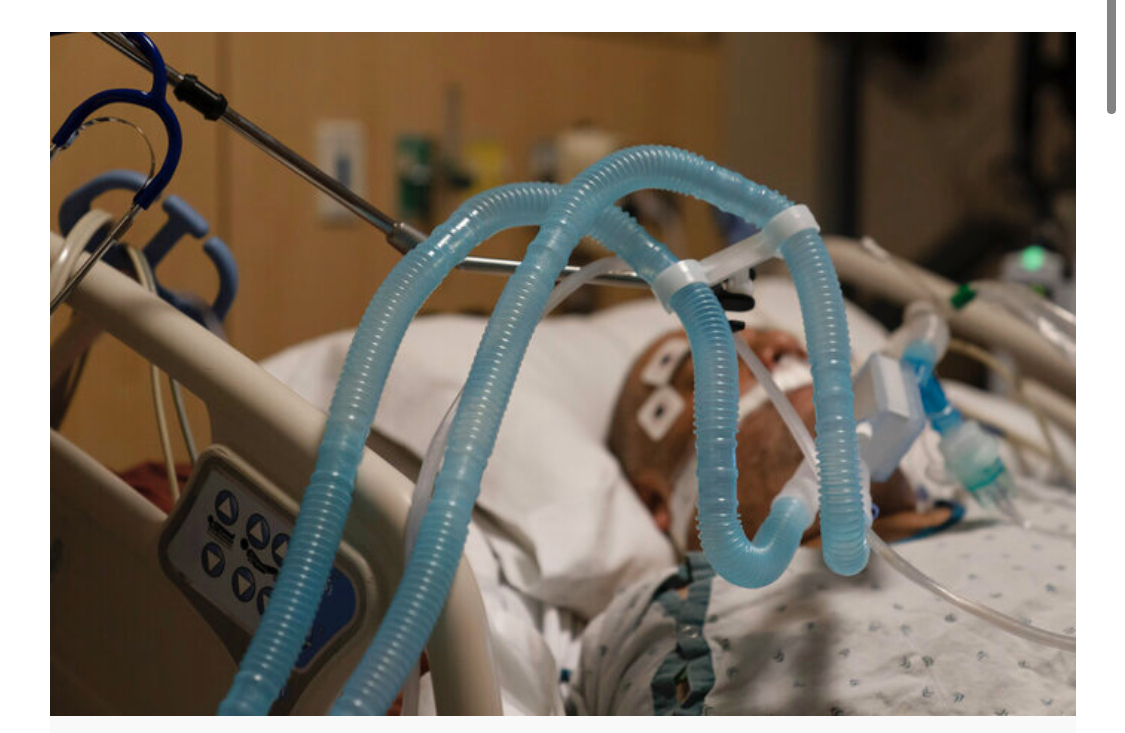
    Louisiana’s health department said 1,280 people in Louisiana were hospitalized because of the COVID-19 disease caused by the coronavirus, an increase of more than 200 over the last week and more than double the 596 COVID-19 patients hospitalized a month ago.

    “The continued uptick (in) hospitalizations is very concerning,” Gov. John Bel Edwards’ spokeswoman Christina Stephens posted on Twitter. “We know how this works and no one wants to see our health care system overrun.”

    Hospitalizations of COVID-19 patients remain below Louisiana’s peak of nearly 2,000 in April during the first of the state’s three coronavirus surges since the pandemic began — but hospitalizations have been steadily and sharply increasing since mid-October.

    That prompted Edwards to toughen Louisiana’s coronavirus restrictions on businesses and gatherings ahead of Thanksgiving. As the Democratic governor made the announcement, his chief public health adviser Dr. Joe Kanter warned that the strong uptick in Louisiana’s COVID-19 hospitalizations was happening at a rate “that our hospitals simply cannot stand” without running out of the staff needed to treat patients.

    In addition to staffing concerns, open intensive care unit beds were dwindling in some regions of the state. Only 12 ICU beds out of 157 remained available Tuesday in the seven-parish Lafayette region, according to the state health department, while 14 of 76 ICU beds were open in southwestern Louisiana.

    Edwards hoped issuing tighter rulesbefore Thanksgiving could help persuade his state’s residents to heed calls by him and public health experts to remain masked and distanced from people outside of individual households and to avoid the traditional, packed holiday dinners.

    Nearly a week removed from Thanksgiving, the numbers weren’t suggesting people followed that guidance.

    Nearly 4,000 new coronavirus cases were confirmed Tuesday by the state health department, and Louisiana’s death toll from COVID-19 grew by another 31 confirmed deaths to 6,194.

    Under Edwards’ current rules, restaurants, gyms, salons, casinos, malls and other businesses deemed nonessential must limit their customers to 50% of their occupancy rate. Crowds at churches remain capped at 75% of their capacity. Most bars are limited to takeout, delivery and outside seating only. Crowd sizes at football games are restricted to 25%. Louisiana continues to have a statewide mask mandate.

    The rules expire Dec. 23, but Edwards has indicated he expects to renew them into the new year.

    “No one should believe we’re going to relax restrictions at that time,” the governor said when he announced the latest rules.

    Louisiana’s health department has reported more than 224,000 confirmed coronavirus cases since the pandemic began. Nearly 193,000 people are presumed recovered, but that leaves thousands who could have active infections and be spreading the virus.

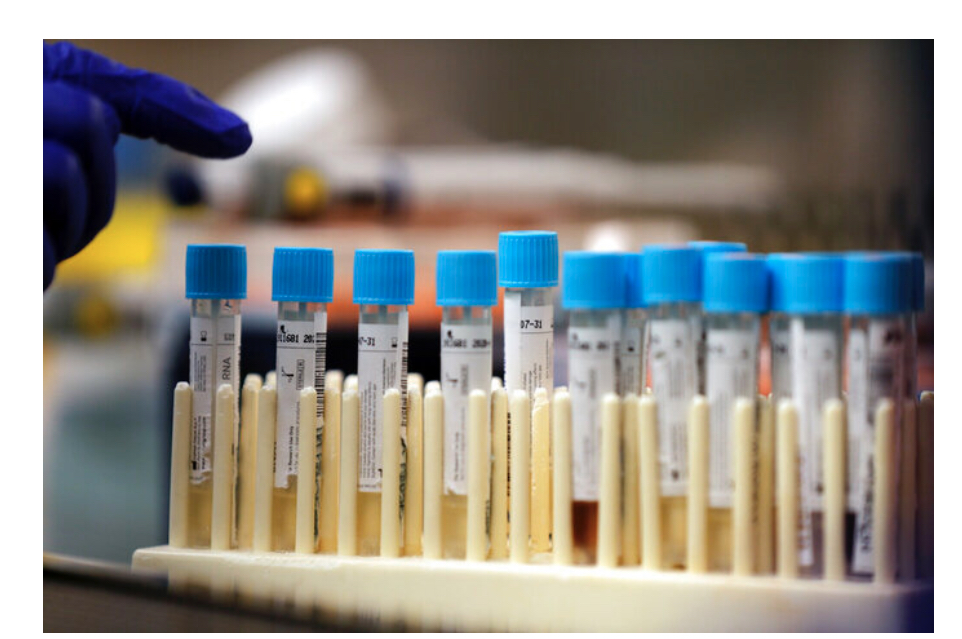
    The number of people who have had COVID-19 is expected to be higher than the confirmed count because some people never have symptoms or never get tested. The health department has reported another 13,000 probable coronavirus cases, detected through antigen tests. Those tests provide quick on-site results and are less expensive to administer than the more widely used molecular tests, but the tests are deemed less accurate.

    ___

    Follow AP’s coverage of the pandemic at https://apnews.com/hub/coronavirus-pandemic and https://apnews.com/UnderstandingtheOutbreak. Follow Melinda Deslatte on Twitter at http://twitter.com/melindadeslatte.